
In the fast-paced world of the restaurant industry, efficiency and customer satisfaction are paramount. One of the key tools that can significantly enhance these aspects is a restaurant POS system. This technology not only streamlines operations but also provides valuable insights into business performance. In this article, we will explore the various functionalities of a restaurant POS system, its benefits, and how it can revolutionize your restaurant.
Understanding the Basics of a Restaurant POS System
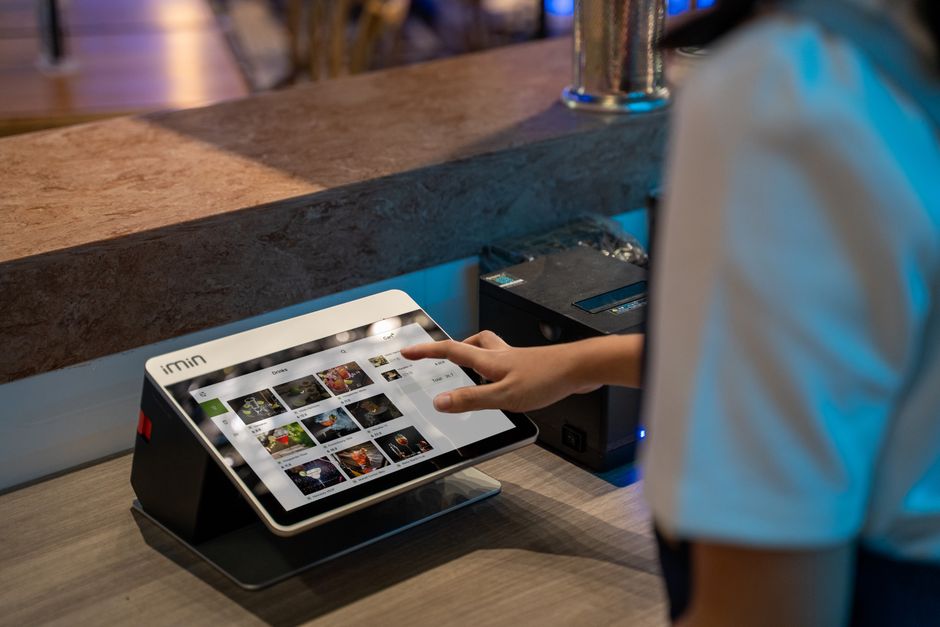
A restaurant POS (Point of Sale) system is a combination of hardware and software that allows restaurant owners to manage their operations seamlessly. At its core, the system processes transactions, but it goes far beyond that. It includes features such as inventory management, employee scheduling, and customer relationship management.
With the right POS system, restaurants can track sales in real-time, manage orders efficiently, and reduce human errors that often occur during manual entries. This not only enhances the customer experience but also helps in maintaining accurate financial records.
Moreover, many modern POS systems come equipped with cloud-based technology, enabling restaurant owners to access their data from anywhere. This flexibility is crucial for managers who are often on the move, ensuring they can make informed decisions quickly.
The Benefits of Implementing a POS System
One of the most significant advantages of adopting a restaurant POS system is improved operational efficiency. By automating tasks such as order taking and payment processing, staff can focus more on providing excellent service rather than getting bogged down in administrative work.
In addition to operational efficiency, a POS system can provide valuable insights into sales trends and customer preferences. For instance, by analyzing data collected through the system, restaurant owners can identify popular menu items, peak business hours, and customer demographics. This information can inform marketing strategies and menu adjustments, ultimately leading to increased sales.
Another key benefit is inventory management. A robust POS system allows restaurant operators to monitor stock levels in real-time, reducing waste and ensuring that popular items are always available. This capability can significantly impact the bottom line, as it minimizes overstocking and spoilage costs.
Choosing the Right POS System for Your Restaurant
When selecting a POS system, it’s essential to consider the specific needs of your restaurant. Factors such as the size of your establishment, the type of cuisine you serve, and your budget should all play a role in your decision-making process.
Additionally, look for systems that offer scalability. As your restaurant grows, your POS system should be able to adapt to increased demand and additional locations. Also, consider systems that integrate with other software you use, such as accounting or reservation platforms, to streamline operations further.
Lastly, ensure that the customer support provided by the POS vendor is reliable. Technical issues can arise, and having access to prompt and effective support can save your restaurant from potential losses during downtime.
Case Studies: Successful Implementations of POS Systems
Many restaurants have successfully transformed their operations through the implementation of a restaurant POS system. For example, a popular café chain reported a 30% increase in efficiency after switching to a cloud-based POS. This change allowed them to process orders faster and improve customer satisfaction.
Another notable case is a fine dining establishment that utilized its POS system to analyze customer feedback and adjust its menu accordingly. By identifying which dishes were consistently praised and which were underperforming, the restaurant was able to refine its offerings, leading to a 20% increase in overall sales.
These examples illustrate the tangible benefits that a well-implemented POS system can bring to a restaurant, highlighting its role as an essential tool for modern dining establishments.
Conclusion: The Future of Restaurant Management
As the restaurant industry continues to evolve, the integration of technology such as a restaurant POS system will be crucial for staying competitive. With features that enhance efficiency, improve customer satisfaction, and provide actionable insights, a POS system is not just a luxury but a necessity for modern restaurants.
Investing in the right POS system can lead to significant improvements in both operations and profitability. Whether you run a small café or a large restaurant chain, embracing this technology can pave the way for future success.
For more information on how to choose and implement a restaurant POS system, consider exploring options from reputable providers. One such option to consider is the restaurant POS system offered by Loyverse, which is designed to meet the diverse needs of the food service industry.