
In today’s fast-paced market, the role of distributors has become increasingly critical for companies looking to expand their reach and streamline their operations. Distributors serve as the vital link between manufacturers and retailers, ensuring that products reach their intended markets efficiently. This article delves into the various aspects of distribution, highlighting its significance in the supply chain, the different types of distributors, and the challenges they face.
Understanding the Distribution Process
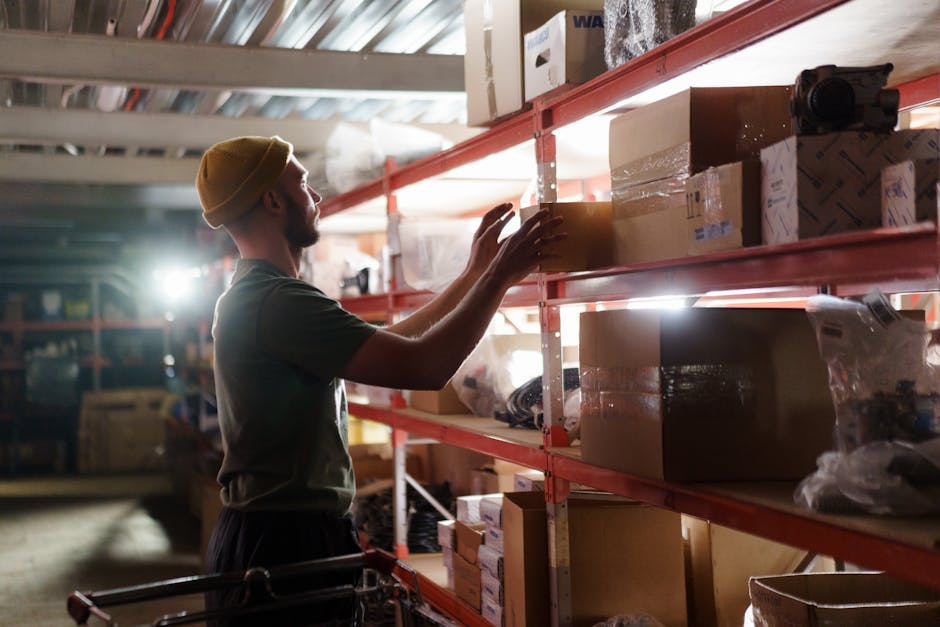
The distribution process involves several key steps that facilitate the movement of goods from producers to consumers. Initially, manufacturers produce goods, which are then shipped to distributors. Distributors, in turn, take on the responsibility of storing, managing, and selling these products to retailers or directly to consumers. This process is essential for maintaining efficiency in the supply chain, as it allows manufacturers to focus on production while distributors handle the logistics of delivery.
One of the primary functions of a distributor is inventory management. By maintaining a stock of products, distributors can help prevent shortages and ensure that retailers have the goods they need to meet consumer demand. For instance, a distributor might stock a range of electronic devices, allowing them to fulfill orders from various retailers without delay. This ability to manage inventory effectively is crucial for maintaining smooth operations in retail.
Types of Distributors
Distributors can be categorized into several types based on their functions and the markets they serve. One common type is the wholesale distributor, who purchases large quantities of goods from manufacturers and sells them in smaller quantities to retailers. Another type is the retail distributor, which sells products directly to end consumers. Additionally, there are specialized distributors who focus on niche markets, offering tailored services to meet specific customer needs.
For example, in the pharmaceutical industry, distributors play a pivotal role in ensuring that medications are delivered to pharmacies and healthcare facilities promptly. These distributors must adhere to strict regulatory guidelines to maintain the integrity of the products they handle. This highlights the importance of compliance and quality control within the distribution process.
The Challenges Faced by Distributors
Despite their essential role, distributors face numerous challenges in today’s market. One significant challenge is the increasing demand for faster delivery times. With the rise of e-commerce, consumers expect quick and efficient service, which puts pressure on distributors to optimize their logistics and supply chain operations.
Moreover, fluctuating market conditions can affect inventory levels and demand forecasting. Distributors must be adept at analyzing market trends and adjusting their strategies accordingly. For instance, during peak shopping seasons, such as the holiday season, distributors may need to increase their stock levels to meet higher consumer demand. Failure to do so could result in lost sales and dissatisfied customers.
The Future of Distribution
The future of distribution is likely to be shaped by advancements in technology. Automation and artificial intelligence (AI) are beginning to play a significant role in optimizing distribution processes. For example, AI can help distributors analyze data to predict trends and make informed decisions about inventory management.
Additionally, the rise of online shopping has prompted many distributors to adopt omnichannel strategies, allowing them to reach customers through multiple platforms. This approach not only enhances customer experience but also increases sales opportunities. As online shopping continues to grow, distributors who embrace these technological advancements will likely have a competitive edge in the market.
Furthermore, health and wellness products are becoming increasingly popular, and distributors are finding new ways to cater to this market. For instance, the emergence of products like BPC157+TB500 has created a niche for specialized distributors who can provide these unique offerings to health-conscious consumers.
Conclusion
In summary, distributors play a crucial role in the modern business landscape by connecting manufacturers with consumers and retailers. Their ability to manage inventory, adapt to market changes, and leverage technology will determine their success in an ever-evolving marketplace. As businesses continue to grow and diversify, the importance of effective distribution cannot be overstated. Companies that recognize and invest in their distribution strategies will be better positioned to thrive in the competitive business environment.