
The aviation industry is a complex web of regulations, technology, and expertise, with aircraft maintenance companies playing a crucial role in ensuring the safety and efficiency of air travel. As air travel continues to grow globally, the importance of maintaining aircraft to the highest standards cannot be overstated. This guide explores the key aspects of aircraft maintenance companies, their services, and what makes them indispensable in the aviation sector.
Understanding the Role of Aircraft Maintenance Companies
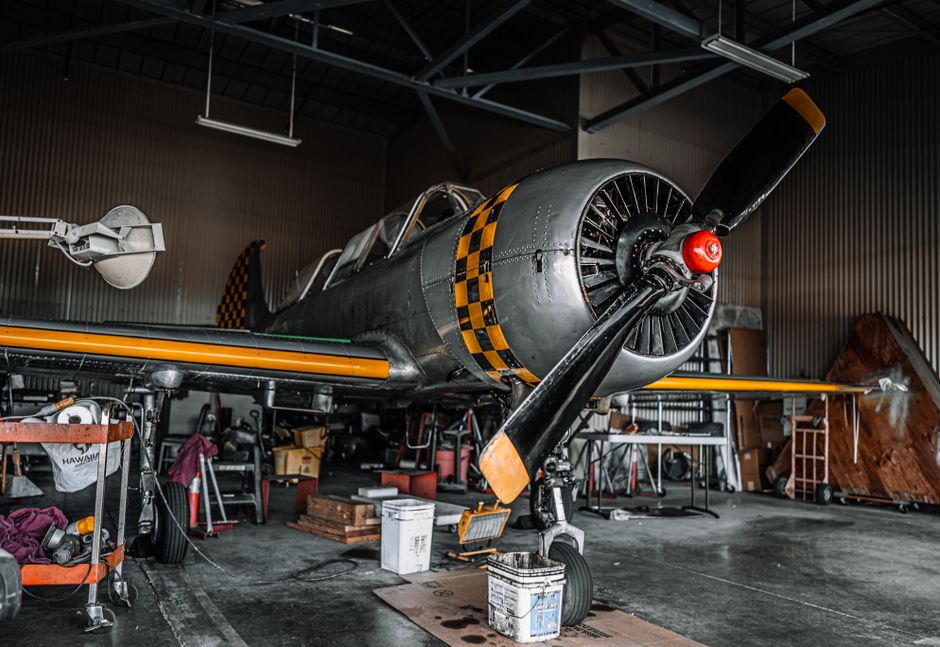
Aircraft maintenance companies are responsible for the upkeep of various types of aircraft, including commercial airliners, private jets, and cargo planes. Their primary role is to ensure that all aircraft are in compliance with safety regulations and operational efficiency standards set by aviation authorities. This involves routine inspections, repairs, and overhauls of aircraft systems.
These companies employ a range of professionals, including licensed aircraft maintenance engineers, technicians, and quality assurance personnel, all working together to keep aircraft safe and operational. The scope of work can include everything from simple checks to complex repairs involving engines and avionics.
Furthermore, the demand for skilled labor in this field is on the rise, with the International Air Transport Association (IATA) projecting a need for over 700,000 new aviation personnel by 2036. This highlights the critical nature of the work performed by aircraft maintenance companies.
Types of Aircraft Maintenance Services
Aircraft maintenance services can be categorized into several types, each serving a specific purpose in the lifecycle of an aircraft. The most common categories include:
- Line Maintenance: This involves routine checks and minor repairs that are performed while the aircraft is on the ground, typically between flights. Line maintenance is essential for ensuring that aircraft are ready for their next journey.
- Base Maintenance: Base maintenance refers to more extensive and thorough checks that are conducted when an aircraft is not in service for an extended period. This can include major repairs and overhauls, often taking several weeks to complete.
- Component Maintenance: This service focuses on the repair and overhaul of specific aircraft components, such as engines, landing gear, and avionics systems. Companies that specialize in this area often have dedicated facilities and expertise.
Regulatory Compliance and Safety Standards
One of the most critical aspects of aircraft maintenance is compliance with safety regulations and standards. In the United States, the Federal Aviation Administration (FAA) governs all aviation maintenance activities, while in Europe, the European Union Aviation Safety Agency (EASA) plays a similar role. These organizations set stringent guidelines that all aircraft maintenance companies must adhere to.
Compliance with these regulations is not just a legal requirement; it also impacts the safety and reliability of air travel. Aircraft maintenance companies must maintain meticulous records of all maintenance activities and inspections, ensuring transparency and accountability.
Moreover, regular audits and inspections by regulatory bodies help to uphold these standards. Any deviation from prescribed procedures can result in severe penalties, including fines and suspension of operations.
Technological Advancements in Aircraft Maintenance
The aviation industry is continually evolving, and technological advancements are playing a significant role in transforming aircraft maintenance. Innovations such as predictive maintenance, which uses data analytics to forecast potential issues before they arise, are becoming increasingly common.
Furthermore, the use of drones for inspections and augmented reality (AR) tools for training and maintenance procedures is on the rise. These technologies enhance efficiency, reduce downtime, and improve safety by allowing technicians to identify issues more quickly and accurately.
As these technologies continue to develop, aircraft maintenance companies that adopt them will likely gain a competitive edge in the market. Companies that integrate innovative solutions into their operations can optimize their maintenance processes and improve overall service quality.
The Future of Aircraft Maintenance Companies
Looking ahead, the future of aircraft maintenance companies will be shaped by several factors, including environmental regulations, advancements in technology, and the growing demand for air travel. As airlines strive to reduce their carbon footprint, maintenance companies will need to adapt by implementing more sustainable practices.
Additionally, the increasing complexity of modern aircraft, particularly those that incorporate electric and hybrid technologies, will require specialized knowledge and skills. This will likely lead to a shift in training and certification programs within the industry.
In conclusion, as the aviation sector continues to grow and evolve, the role of aircraft maintenance companies will become even more critical. They not only ensure safety and compliance but also drive innovation and efficiency within the industry. For airlines seeking reliable partners, choosing an experienced aircraft maintenance company is essential for long-term success.
Conclusion
In summary, aircraft maintenance companies are vital to the aviation industry, providing essential services that ensure the safety and efficiency of air travel. With the growing complexity of aircraft and the need for strict compliance with regulations, these companies are more important than ever. As technology advances and the industry evolves, the future of aircraft maintenance promises to be dynamic and full of opportunities for innovation and improvement.