
In the modern manufacturing landscape, metal fabrication shops play a crucial role in transforming raw materials into finished products. These facilities combine a variety of processes, including cutting, bending, and assembling metal components, to create everything from simple structures to complex machinery. As industries continue to evolve, understanding the significance and operations of metal fabrication shops becomes increasingly important.
What is Metal Fabrication?
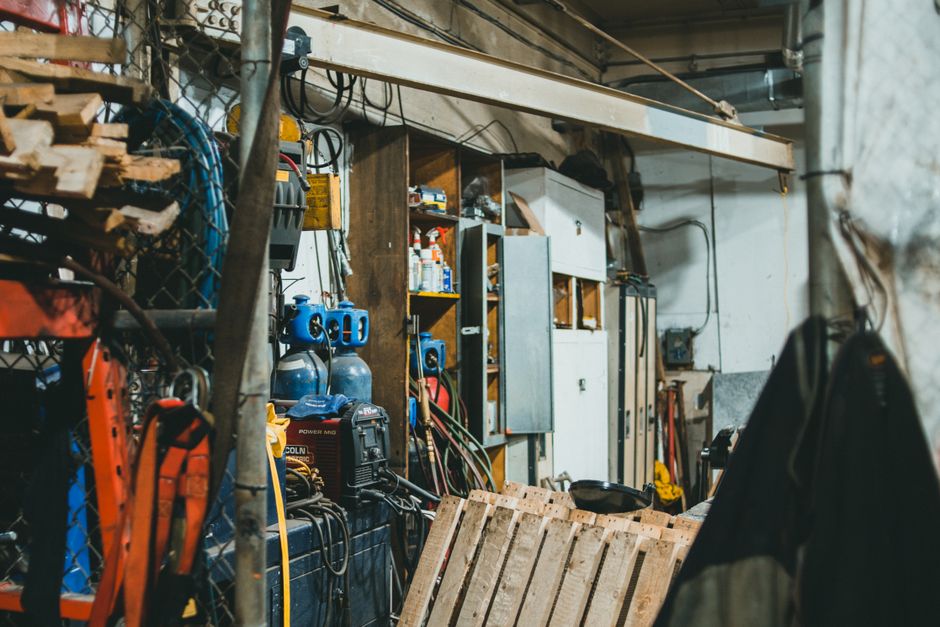
Metal fabrication is a broad term that encompasses various processes used to create metal structures. This process involves several techniques, such as welding, machining, and forming, which can be tailored to meet specific project requirements. Metal fabrication shops typically serve a range of industries, including automotive, aerospace, construction, and manufacturing.
A well-equipped metal fabrication shop often features advanced machinery like laser cutters, CNC machines, and robotic welders, which enhance precision and efficiency. According to a report by IBISWorld, the metal fabrication industry is projected to grow by 3.6% annually over the next five years, indicating a robust demand for these services.
The Importance of Metal Fabrication Shops
Metal fabrication shops are essential for several reasons. First, they provide customized solutions to meet the unique needs of different industries. For instance, a metal fabrication shop can tailor a product’s specifications, ensuring it meets the exact requirements of a client’s project.
Additionally, these shops contribute to innovation by enabling companies to develop new products quickly and efficiently. They can also help businesses reduce costs by optimizing the production process and minimizing waste. The flexibility and adaptability of metal fabrication shops make them vital partners in the supply chain.
Key Processes in Metal Fabrication
Several key processes define the operations within a metal fabrication shop. Cutting is one of the primary steps, where raw metal sheets are cut into specific shapes and sizes using tools like plasma cutters or saws. Following cutting, bending involves reshaping the metal to achieve the desired angles and forms. This process often employs hydraulic or mechanical presses.
Welding is another critical aspect, where metal pieces are joined together using heat and pressure. The choice of welding technique, such as MIG or TIG welding, depends on the materials and the application’s requirements. Finally, finishing processes, such as sanding, painting, or coating, ensure the product meets aesthetic and functional standards.
Choosing the Right Metal Fabrication Shop
When selecting a metal fabrication shop, several factors should be considered. First, assess the shop’s experience and expertise in handling similar projects. Look for reviews and case studies that demonstrate the shop’s capabilities and success in delivering quality products.
Consider the shop’s technology and equipment as well. Modern metal fabrication shops should utilize advanced technology to ensure precision and efficiency. Finally, communication is key; a good shop will work closely with clients to understand their needs and provide ongoing support throughout the project.
Future Trends in Metal Fabrication
The future of metal fabrication is likely to be shaped by several trends, including automation and additive manufacturing. As automation technologies continue to advance, metal fabrication shops are expected to incorporate more robotics and AI-driven systems to enhance productivity and reduce human error.
Additionally, the rise of additive manufacturing, or 3D printing, is changing how products are designed and produced. Metal fabrication shops are increasingly exploring these technologies to create more complex and lightweight structures, pushing the boundaries of traditional fabrication.
Conclusion
In conclusion, metal fabrication shops are integral to the manufacturing landscape, providing essential services that cater to diverse industries. As technology evolves, these shops will continue to adapt and innovate, ensuring they meet the growing demands of the market. Understanding the intricacies of metal fabrication can help businesses leverage these services effectively, driving efficiency and enhancing product quality.