
Cargo insurance is an essential aspect of international shipping that safeguards businesses and individuals against potential losses. When goods are transported, whether by sea, air, or land, they are exposed to various risks, including theft, damage, and loss during transit. In this article, we will delve into the significance of cargo insurance, the types available, and how to choose the right coverage for your needs.
The Importance of Cargo Insurance
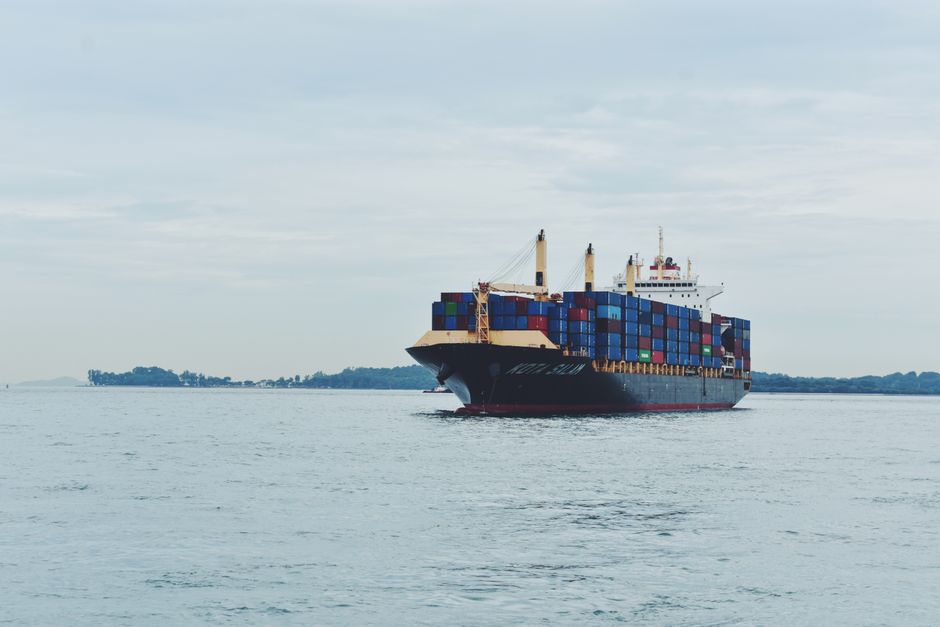
In the world of logistics, the phrase ‘anything can happen’ rings especially true. Every year, numerous shipments encounter unforeseen circumstances that can result in significant financial losses. According to industry statistics, approximately 1 in 10 shipments is reported as damaged or lost in transit. This alarming figure underscores the necessity of having adequate cargo insurance to protect your investment.
Moreover, cargo insurance not only covers physical loss or damage to goods but can also include coverage for delays, contamination, and even liability claims. Such comprehensive protection ensures that businesses can continue operating smoothly even when faced with unexpected challenges.
Types of Cargo Insurance
Cargo insurance can generally be categorized into two main types: all-risk insurance and named perils insurance. All-risk insurance provides broad coverage, protecting against all losses unless specifically excluded in the policy. This type is ideal for businesses seeking maximum security for their shipments.
On the other hand, named perils insurance covers only specific risks listed in the policy. This might include damages resulting from fire, explosion, theft, and weather-related incidents. While this option can be more affordable, it may leave businesses vulnerable to losses not explicitly covered.
Factors to Consider When Choosing Cargo Insurance
Selecting the right cargo insurance policy requires careful consideration of various factors. Firstly, assess the value of the goods being shipped. Higher-value items may warrant more comprehensive coverage, while lower-value shipments might be adequately protected with basic policies.
Additionally, the nature of the goods plays a crucial role in determining the type of coverage needed. Perishable goods, for example, may require specialized insurance that accounts for temperature fluctuations and spoilage. Furthermore, understanding the transit route and potential risks involved can help tailor the insurance policy to better meet specific needs.
Lastly, always review the terms and conditions of the policy carefully. Some policies may include limitations on coverage amounts or specific exclusions that could impact your claims in the event of a loss.
Understanding Claims Process in Cargo Insurance
The claims process for cargo insurance can often be complex and time-consuming. To streamline this process, it’s essential to document everything meticulously. This includes photographs of the shipment, packing lists, and any correspondence with carriers regarding delays or damages.
When filing a claim, promptly notify your insurance provider of the incident. Most policies have specific time frames within which claims must be reported. Failure to adhere to these timelines could result in a denial of the claim.
Once the claim is submitted, the insurer will typically conduct an investigation. This may involve assessing the extent of the damage, reviewing documentation, and determining whether the loss is covered under the policy. Understanding this process can help businesses better navigate potential challenges and recover losses more efficiently.
The Cost of Cargo Insurance
The cost of cargo insurance can vary significantly based on several factors, including the value of the goods, the shipping method, and the level of coverage selected. Generally, premiums can range from 0.5% to 2% of the total value of the shipment. For instance, a shipment worth $100,000 might incur an insurance premium of $500 to $2,000.
It’s crucial to compare different insurance providers and policies to ensure you are getting the best value for your coverage. Look for reputable insurers with a strong track record in the industry. Online resources and platforms can assist in obtaining quotes and comparing policies effectively.
Furthermore, consider working with a freight forwarder or logistics expert who can provide insights into the most suitable insurance options based on your shipping needs.
Conclusion
In conclusion, cargo insurance is a vital component of international shipping that provides peace of mind and financial protection against potential losses. Understanding the different types of insurance available, the factors to consider when selecting a policy, and the claims process are essential steps in safeguarding your goods in transit. By investing in the right cargo insurance, businesses can protect their assets and ensure smoother operations, even in the face of unforeseen challenges. For more detailed information, you can explore cargo insurance options that best fit your shipping requirements.