
As the demand for locally grown produce increases, greenhouse farming has emerged as a vital solution for both commercial growers and hobbyists. The right greenhouse equipment can significantly impact the efficiency and productivity of any greenhouse setup. This article delves into the various types of equipment essential for successful greenhouse operation.
Types of Greenhouse Structures
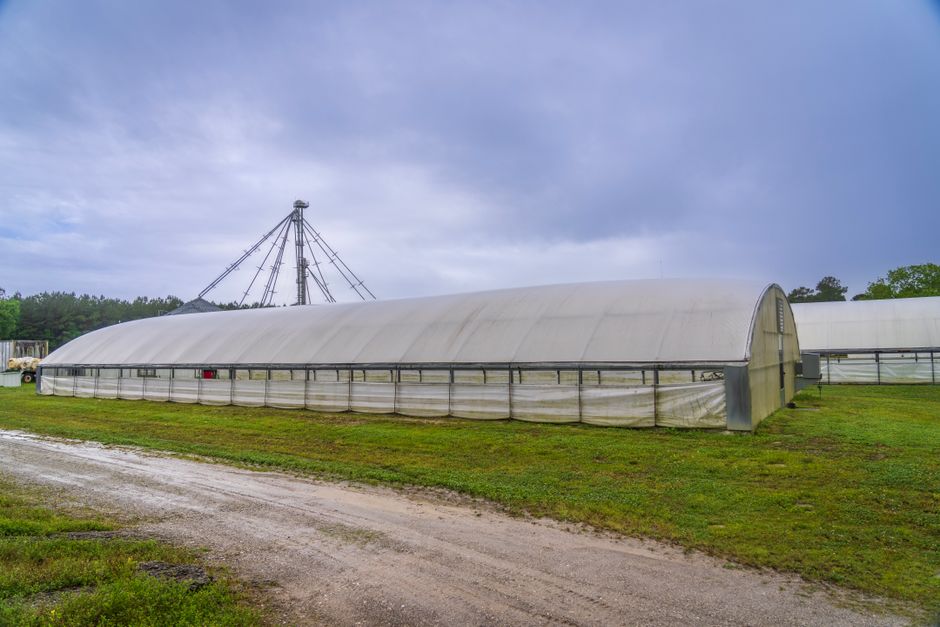
The first step in establishing a greenhouse is selecting the right structure. Common types include hoop houses, A-frame greenhouses, and freestanding glass houses. Hoop houses are popular for their affordability and ease of setup, making them ideal for beginners. A-frame greenhouses offer better ventilation and snow load management, while glass houses provide superior light transmission and aesthetics.
Each structure type has its pros and cons, which should be weighed against the specific needs of the plants being grown, local climate conditions, and budget considerations. For example, a glass greenhouse may be more expensive to build but can offer better long-term returns through increased plant yields.
Climate Control Systems
Maintaining optimal climate conditions is crucial for plant growth within a greenhouse. This involves regulating temperature, humidity, and airflow. Common climate control equipment includes heaters, fans, and ventilation systems.
Heaters can be powered by electricity, gas, or propane, and choosing the right type depends on the size of the greenhouse and climate zone. Additionally, exhaust fans and intake vents work together to ensure proper air circulation, preventing the buildup of heat and humidity that can lead to plant diseases.
For those looking to automate their systems, smart climate control technologies are available, allowing for remote monitoring and adjustments based on real-time data. This can lead to significant energy savings and improved plant health.
Lighting Solutions
In regions with limited sunlight, supplemental lighting becomes essential for maximizing plant growth. Grow lights, including LED, fluorescent, and HID options, can be used to provide the necessary light spectrum for photosynthesis.
LED grow lights have gained popularity due to their energy efficiency and low heat output. They can be tailored to the specific needs of different plants, promoting better growth and yield. It’s recommended to consider the light intensity and duration needed for the specific crops being grown, as these factors can vary widely.
Irrigation and Water Management
Irrigation systems are critical for maintaining proper soil moisture levels in a greenhouse. Options range from simple hand watering to sophisticated drip irrigation systems that deliver water directly to the plant roots.
Drip irrigation is particularly efficient as it minimizes water waste and reduces the risk of fungal diseases associated with overhead watering. Additionally, integrating water management technologies, such as moisture sensors and automated timers, can optimize water usage.
Incorporating rainwater harvesting systems can also be a sustainable way to source water for greenhouse operations, reducing reliance on municipal water supplies.
Essential Accessories and Tools
Beyond the primary equipment, various accessories and tools can enhance greenhouse operations. This includes plant support systems, pest control equipment, and soil management tools.
For instance, trellises and stakes are essential for supporting climbing plants, while insect traps and organic pesticides can help manage pests without harming beneficial insects. Soil testing kits are also invaluable for monitoring nutrient levels and pH, ensuring optimal growing conditions.
Investing in quality tools and accessories can lead to more efficient management and better overall plant health.
Conclusion
In conclusion, the success of a greenhouse largely depends on the equipment used. From the structure itself to climate control systems, lighting, and irrigation, each component plays a vital role in creating an optimal environment for plant growth. By carefully selecting and investing in the right greenhouse equipment, growers can maximize their yields and ensure a sustainable growing practice for the future.