
In an age where technology has transformed our experiences, virtual tour photography has emerged as a powerful tool for engagement and storytelling. This innovative form of photography allows viewers to explore places and spaces from the comfort of their homes, making it an invaluable asset for various industries, from real estate to tourism.
The Rise of Virtual Tour Photography
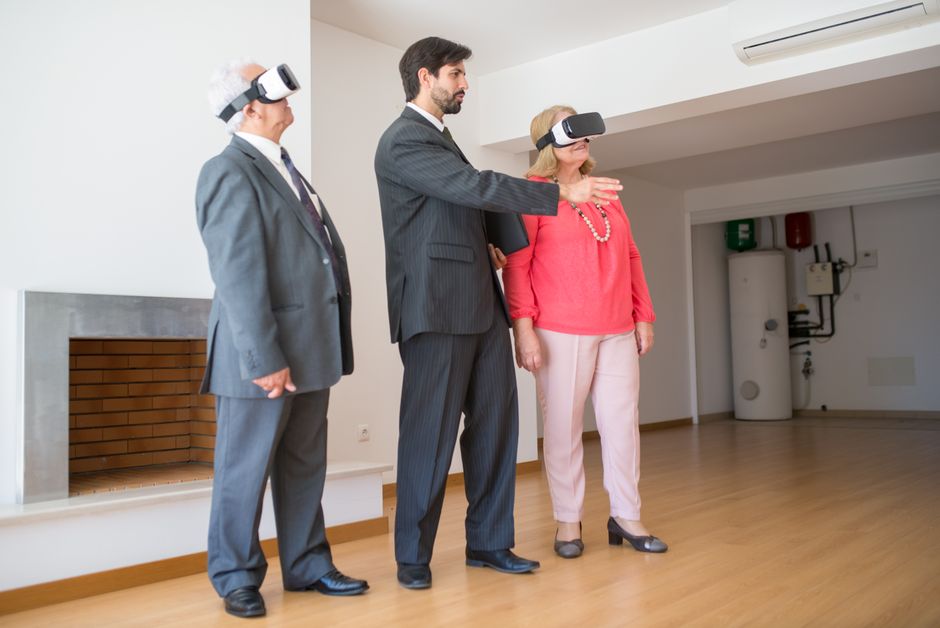
Virtual tour photography has gained immense popularity over the past decade. As high-speed internet has become more accessible, businesses and individuals alike have recognized the potential of offering immersive experiences online. According to a recent study, over 75% of consumers prefer to explore a location through a virtual tour before making a physical visit. This trend highlights the growing importance of visual content in decision-making processes.
Furthermore, the COVID-19 pandemic accelerated this trend. With physical distancing measures in place, businesses had to adapt quickly to the changing landscape. Virtual tours became a lifeline for many, allowing them to showcase their offerings in a safe and engaging manner. Whether it was a museum or a real estate listing, virtual tour photography provided a solution that met the needs of both businesses and consumers.
How Virtual Tour Photography Works
The process of creating a virtual tour typically involves capturing a series of high-resolution images that can be stitched together to form a panoramic view. Advanced software then compiles these images into an interactive format, allowing users to navigate through the space as if they were physically there. This technology is often enhanced by 360-degree cameras, which capture a full view of the surroundings in a single shot.
In addition to the technical aspects, effective virtual tour photography requires a keen eye for composition and detail. Photographers must consider lighting, angles, and the overall narrative they wish to convey. For example, a real estate agent might focus on highlighting the best features of a property, while a museum may aim to capture the essence of its exhibits. The result is a visually captivating experience that draws viewers in.
Applications in Various Industries
Virtual tour photography has a wide range of applications across different sectors. In the real estate industry, for instance, it allows potential buyers to explore properties remotely, saving time and resources for both agents and clients. A study showed that listings with virtual tours receive 87% more inquiries than those without, illustrating the effectiveness of this tool in attracting interest.
In the hospitality sector, hotels and resorts use virtual tours to showcase their amenities and unique features, enticing travelers to book their stays. This immersive experience can significantly enhance a hotel’s online presence, as it provides a more authentic glimpse into what guests can expect.
Moreover, educational institutions have started using virtual tours to give prospective students a feel for their campuses. By offering an interactive experience, schools can engage students and parents alike, making the decision-making process easier and more informed.
Creating Your Own Virtual Tour
For those interested in creating their own virtual tours, there are several steps to consider. First, investing in quality equipment is crucial. A good 360-degree camera can make a significant difference in the quality of the images captured. Additionally, software that specializes in stitching images and creating interactive experiences is essential.
Once you have the necessary tools, planning the shoot is the next step. This includes selecting the best times for lighting, identifying key features to highlight, and deciding on the narrative flow of the tour. The final step involves editing and producing the virtual tour, ensuring that it is user-friendly and visually appealing.
Engaging with professionals in the field can also be beneficial. Many companies specialize in virtual tour photography and can provide expertise and resources to help you achieve the best results. For instance, businesses looking to enhance their online presence can explore services that focus on virtual tour photography for tailored solutions.
Conclusion
Virtual tour photography is not just a trend; it is a transformative tool that enhances how we experience and interact with our surroundings. As technology continues to evolve, the applications and benefits of virtual tours will only expand. By embracing this innovative approach, businesses and individuals can stay ahead of the curve, offering immersive experiences that captivate and engage audiences.