
In an age where music production and audio engineering have become more accessible than ever, the demand for professional recording studios has surged. Whether you are a budding artist, a seasoned musician, or a content creator, finding the right recording studio rental can significantly impact the quality of your work. This guide delves into the intricacies of renting a recording studio, offering insights into what to look for and how to make the most of your experience.
Understanding the Basics of Recording Studio Rentals
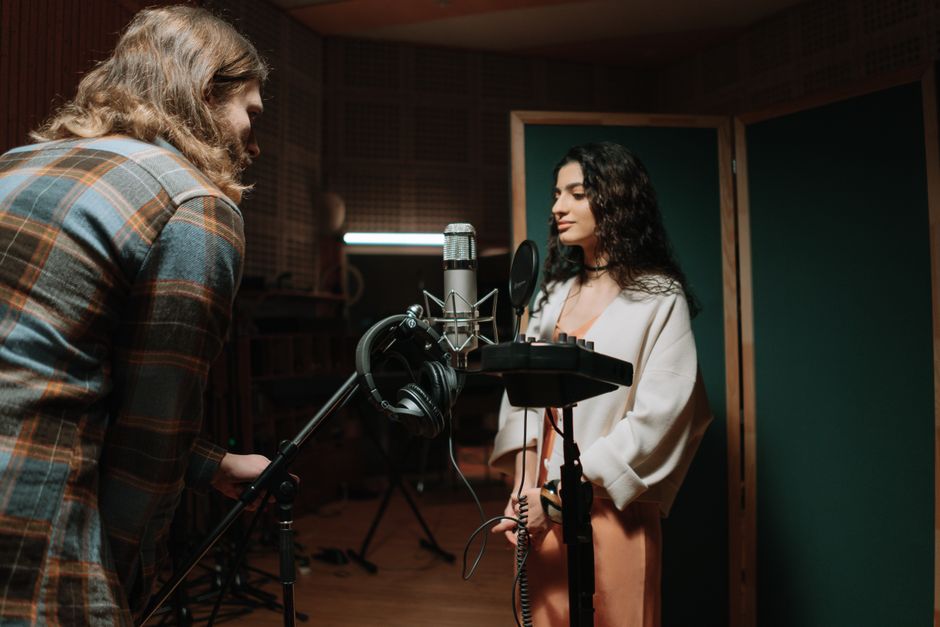
Before diving into the specifics of studio rentals, it’s essential to understand what a recording studio typically offers. Most recording studios come equipped with professional-grade microphones, mixing consoles, soundproof rooms, and various instruments. Each studio has its unique charm, acoustics, and equipment, which can influence your recording process.
The first step in your search should involve determining your needs. Are you recording vocals, instruments, or both? Understanding your requirements will help you select a studio that caters to your specific project. For example, a studio specializing in acoustic music might not be the best choice for electronic music production.
Factors to Consider When Choosing a Studio
Once you’ve defined your needs, the next step is to consider various factors when choosing a recording studio. Location is critical; you want to find a studio that is accessible and convenient. A studio located in a vibrant music scene may offer networking opportunities, but it might also come with higher rental costs.
Another significant factor is the studio’s reputation. Reading reviews and testimonials from previous clients can provide valuable insights into the quality of service and equipment. Some studios may also offer tours, allowing you to assess the space and equipment firsthand, which can be beneficial before making a commitment.
The Cost of Renting a Recording Studio
The price of renting a recording studio can vary widely based on several factors, including location, equipment, and the expertise of the sound engineers. On average, hourly rates for studio rentals can range from $50 to $500, depending on the studio’s prestige.
It’s essential to consider your budget and how many hours you realistically need for your project. Many studios offer package deals that can save you money if you plan to book multiple sessions. Additionally, inquire about any hidden fees, such as charges for equipment rentals or additional personnel.
Maximizing Your Recording Session
Preparation is key to making the most of your studio time. Before your session, plan your tracks meticulously, rehearse extensively, and ensure you have all necessary materials ready. Having a clear vision for your project will help streamline the recording process.
During the session, communicate openly with your sound engineer. Their expertise can be invaluable in achieving the sound you desire. Don’t be afraid to ask questions or request adjustments to ensure the final product meets your expectations. Establishing a good rapport with the studio staff can also make the experience more enjoyable.
Post-Production Considerations
After your recording session, the journey doesn’t end. Post-production is where the magic happens, involving mixing and mastering your tracks. Some studios offer these services in-house, while others may recommend third-party professionals. Understanding the post-production process is crucial, as it can significantly affect the quality of your final product.
It’s also vital to discuss ownership and rights concerning the recordings. Make sure you have a clear agreement regarding who owns the rights to the music and how it can be distributed. This can prevent potential disputes down the line and ensure that you retain creative control over your work.
Conclusion: The Future of Studio Rentals
As technology continues to evolve, the landscape of recording studio rentals will likely change. With the rise of home studios and digital audio workstations, traditional studios must adapt to remain relevant. However, for many artists and creators, the unique atmosphere and professional equipment of a dedicated recording studio will always hold a special allure.
Ultimately, renting a recording studio is not just about the space; it’s about fostering creativity and collaboration. Whether you are an aspiring musician or an established artist, taking the time to find the right studio will pay off in the quality of your work and the joy of the creative process.