
When a crime occurs, the aftermath can leave not only emotional scars but also physical remnants that require careful and thorough cleaning. The process of crime scene cleanup is essential for restoring spaces to a safe and livable condition. This article delves into the intricacies of crime scene cleanup, exploring its importance, methodologies, and the challenges faced by professionals in this field.
The Importance of Crime Scene Cleanup
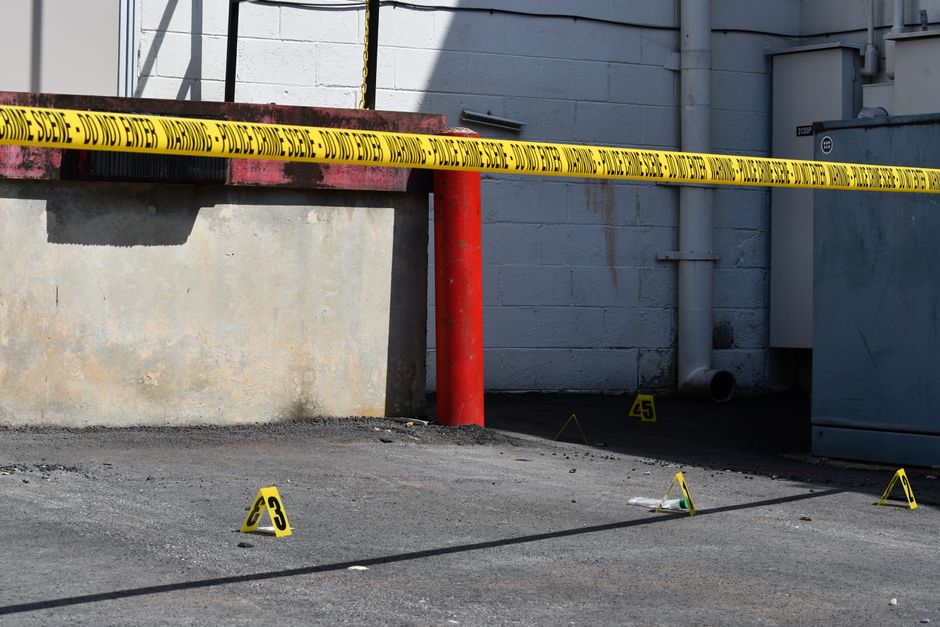
Crime scene cleanup is critical for several reasons. First and foremost, it ensures that any biological hazards, such as blood or bodily fluids, are safely removed. These substances can pose significant health risks if not handled properly. Additionally, cleaning the scene helps to preserve evidence for ongoing investigations. A well-done cleanup can minimize contamination, aiding law enforcement in their work.
Moreover, the psychological aspect of cleanup cannot be overlooked. After a traumatic event, the environment can serve as a constant reminder of the incident. Restoring the space can help victims and their families begin the healing process. By removing all traces of the crime, cleanup professionals play a vital role in the emotional recovery of those affected.
Statistics show that crime scene cleanup is a growing industry. As urban areas expand and crime rates fluctuate, the demand for specialized cleanup services continues to rise. According to industry reports, the crime scene cleanup market is expected to grow steadily, reflecting increased awareness of the importance of professional cleaning services.
The Cleanup Process
Crime scene cleanup is not just about mopping the floor or disposing of waste. It involves a systematic approach to ensure that every corner of the scene is thoroughly cleaned. Professionals typically begin with an assessment of the area, identifying potential hazards and determining the best course of action.
Once the assessment is complete, cleanup crews don protective gear to prevent exposure to harmful substances. They utilize specialized equipment and cleaning agents designed to effectively eliminate pathogens and odors. For instance, biohazardous materials must be disposed of in compliance with local regulations, often requiring the use of licensed disposal services.
The entire process can take several hours to days, depending on the severity of the scene. In some instances, such as violent crimes, extensive cleaning may be necessary, including the removal of carpets, drywall, and even furniture. This thorough approach ensures that no trace of the crime remains, allowing for a fresh start for the property owner.
Challenges in Crime Scene Cleanup
Despite the importance of crime scene cleanup, professionals face numerous challenges. One of the primary issues is the emotional toll that working in such environments can take. Cleanup crews often encounter graphic scenes that can be distressing. As a result, mental health support is crucial for those in this line of work.
Additionally, the unpredictable nature of crime scenes can complicate the cleanup process. Each situation is unique, with varying degrees of contamination and types of materials involved. This unpredictability requires crews to be adaptable and well-trained in various cleaning techniques.
Furthermore, navigating the legal aspects of cleanup can be complex. Professionals must be aware of laws regarding evidence preservation and biohazard disposal. Failing to adhere to these regulations can lead to legal repercussions and compromise ongoing investigations. Therefore, ongoing training and education are essential for those in the crime scene cleanup industry.
The Future of Crime Scene Cleanup
As society evolves, so does the field of crime scene cleanup. Advances in technology are transforming how cleanup is conducted. For example, new cleaning agents and equipment are being developed to enhance efficiency and safety. In addition, the integration of digital tools for reporting and documentation is streamlining processes, enabling faster response times.
Moreover, public awareness regarding the importance of crime scene cleanup is increasing. Educational campaigns are helping to inform communities about the risks associated with improper cleanup and the benefits of hiring professionals. This awareness is likely to contribute to the growth of the industry in the coming years.
Overall, the future of crime scene cleanup looks promising. As more individuals recognize the need for specialized cleaning services, the industry will continue to adapt and evolve, ensuring that crime scenes are handled with the utmost care and professionalism.
Conclusion
Crime scene cleanup is a crucial yet often overlooked aspect of the aftermath of criminal events. The process not only involves physical cleaning but also addresses emotional and psychological recovery for those affected. As the industry grows and evolves, it remains vital for professionals to stay informed about best practices and emerging technologies. By understanding the complexities of crime scene cleanup, we can appreciate the essential role these professionals play in restoring safety and peace to our communities. For more detailed information on this topic, refer to resources on crime scene cleanup.