
In the competitive world of dining, the ambiance of a restaurant plays a crucial role in attracting and retaining customers. Restaurant interior design is not merely about aesthetics; it is a fundamental aspect of the dining experience that can significantly influence customer satisfaction and loyalty. From the choice of colors to the arrangement of furniture, every detail contributes to creating a unique atmosphere that reflects the restaurant’s brand identity.
The Importance of First Impressions
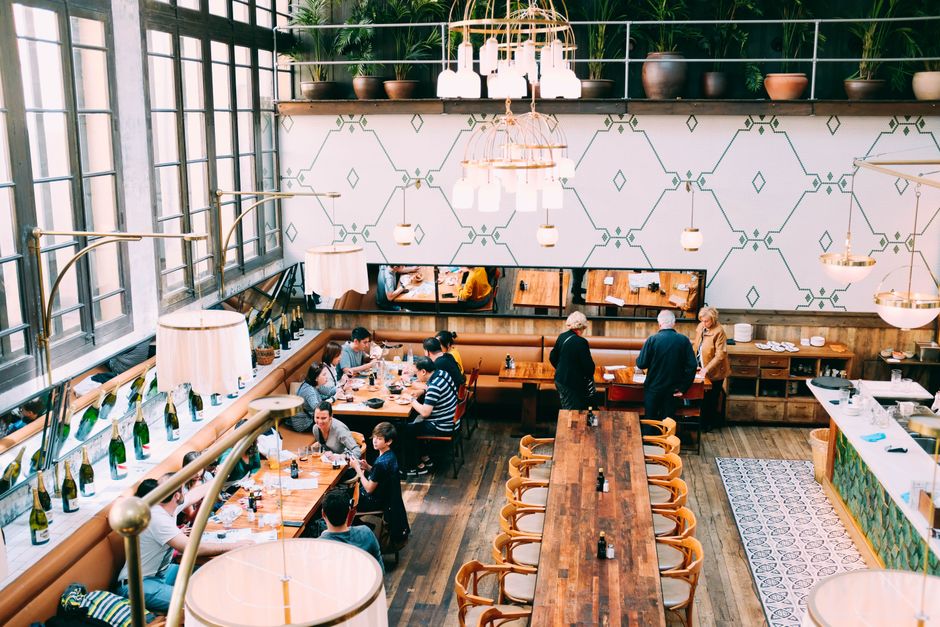
When guests enter a restaurant, the first impression is formed within seconds. Research shows that 90% of customers make snap judgments about a restaurant’s atmosphere based solely on its interior design. This initial reaction can dictate whether they choose to stay and dine or leave in search of a more inviting space. Key elements such as lighting, layout, and decor can evoke emotions and set the stage for the dining experience.
For instance, a warm and cozy interior with soft lighting and comfortable seating can make guests feel at home, encouraging them to linger longer and spend more. Conversely, a sterile and uninviting space can have the opposite effect, driving potential customers away. Therefore, investing in thoughtful interior design is essential for any restaurant aiming to make a lasting impression.
Creating a Cohesive Theme
One of the most critical aspects of restaurant interior design is establishing a cohesive theme that aligns with the restaurant’s concept and target audience. Whether it’s a rustic farmhouse, a sleek modern eatery, or an exotic ethnic restaurant, the interior should reflect the overall brand identity and story. A well-defined theme helps create an immersive experience that transports guests and enhances their dining journey.
For example, a seafood restaurant might incorporate nautical elements such as driftwood decor, marine colors, and fishnet accents to create an authentic coastal vibe. This consistency not only enhances the dining experience but also strengthens brand recognition. Customers are more likely to remember and recommend a restaurant that offers a unique and cohesive theme.
Functional Layout and Flow
Beyond aesthetics, the functionality of a restaurant’s layout is paramount. A well-designed space should facilitate a smooth flow for both staff and guests. This includes strategic placement of dining areas, kitchen access, and restroom locations. A functional layout can improve service efficiency, reduce wait times, and enhance the overall customer experience.
Consideration should also be given to the arrangement of tables and seating. Crowded spaces can make diners feel uncomfortable, while a well-spaced layout fosters a sense of privacy and comfort. Additionally, accommodating various group sizes—from intimate dinners for two to larger parties—can maximize seating capacity while ensuring a pleasant dining atmosphere.
Incorporating Technology into Design
In today’s digital age, incorporating technology into restaurant interior design is becoming increasingly important. From digital menus and ordering systems to interactive dining experiences, technology can enhance customer engagement and streamline operations. For instance, restaurants can utilize QR codes for contactless menus, reducing the need for physical menus and enhancing hygiene.
Moreover, incorporating smart lighting systems that can adjust based on the time of day or customer mood can create a dynamic atmosphere that evolves throughout the dining experience. As technology continues to advance, restaurants that embrace these innovations will not only improve efficiency but also provide customers with a unique and memorable experience.
Case Studies of Successful Restaurant Designs
Examining successful restaurant designs can provide valuable insights into effective interior design strategies. For instance, the acclaimed restaurant “Noma” in Copenhagen is renowned for its minimalist yet warm interior, which reflects its focus on seasonal and local ingredients. The design elements, including natural wood finishes and simple decor, create a cozy and inviting atmosphere that complements the culinary experience.
Another example is “The Fat Duck” in the UK, where the interior design incorporates whimsical elements that align with its innovative dining concept. The playful decor and creative layout enhance the overall dining experience, making it memorable for guests. These case studies highlight the impact of intentional interior design on customer satisfaction and brand loyalty.
Conclusion: The Future of Restaurant Interior Design
As the restaurant industry continues to evolve, the importance of thoughtful interior design will only grow. Restaurant owners must recognize that interior design is not just about aesthetics; it is an essential component of the customer experience. By focusing on creating a welcoming atmosphere, establishing a cohesive theme, ensuring functional layouts, and embracing technology, restaurants can set themselves apart in a competitive market.
Ultimately, investing in strong interior design can lead to increased customer satisfaction, loyalty, and ultimately, profitability. As we move forward, the fusion of creativity and functionality in restaurant interior design will remain a pivotal factor in shaping the dining landscape of the future. For more insights and inspiration on restaurant interior design, industry professionals can explore various resources and case studies that showcase innovative approaches to creating captivating dining spaces.