
In the competitive world of dining, a restaurant’s interior design plays a pivotal role in creating an unforgettable experience for patrons. The atmosphere, layout, and decor all contribute to how customers perceive the restaurant and, ultimately, whether they return. This article delves into the critical elements of restaurant interior design, exploring how thoughtful design choices can enhance customer satisfaction and drive business success.
The Importance of Atmosphere
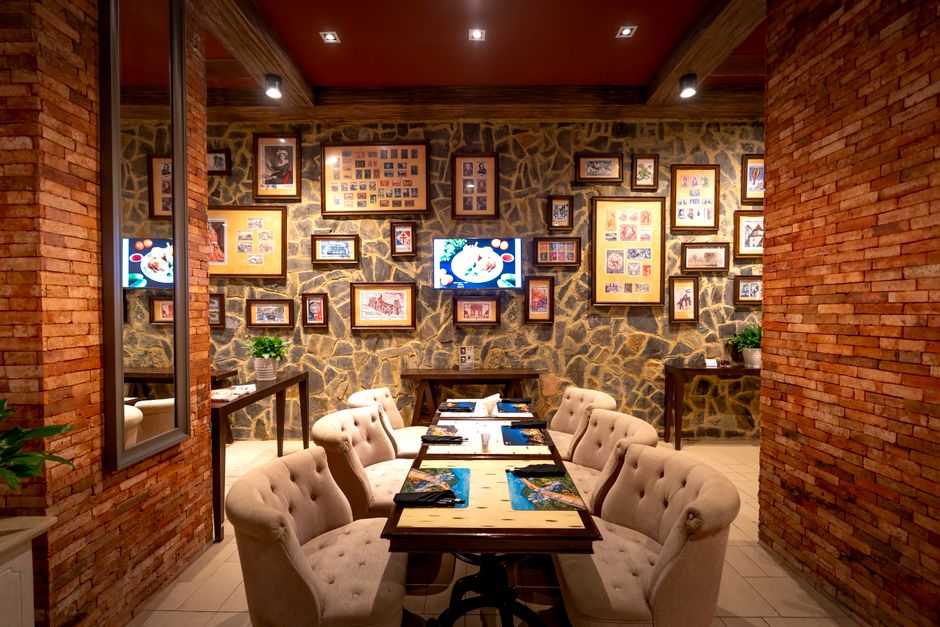
Atmosphere is arguably the most significant factor in restaurant interior design. It encompasses the lighting, color scheme, furniture, and even the scent of the space. Studies have shown that a well-designed ambiance can increase customer dwell time and spending. For instance, a 2019 survey by the National Restaurant Association revealed that 60% of diners consider a restaurant’s atmosphere to be a key factor in their overall experience.
To create a compelling atmosphere, restaurateurs should consider the target demographic. A fine dining establishment may benefit from dim lighting and elegant decor, while a casual eatery might opt for bright colors and playful designs. Incorporating elements that resonate with the intended audience can significantly enhance the dining experience.
Moreover, the use of sound plays an essential role in setting the atmosphere. Background music can influence customer mood and behavior. According to a study published in the Journal of Consumer Research, slow-tempo music can lead to increased spending, as it encourages diners to linger longer at their tables.
Functional Layout and Flow
Another critical aspect of restaurant interior design is the layout. An effective layout not only maximizes space but also ensures a smooth flow for both customers and staff. A well-planned design can streamline operations, enhance customer service, and improve overall efficiency.
For example, placing the kitchen near the dining area allows for quick service and minimizes delays. Additionally, the arrangement of tables should facilitate easy movement for both guests and waitstaff. A layout that feels cramped can deter customers from returning, as it may create a sense of discomfort.
Incorporating different seating options—such as booths, tables, and bar seating—can cater to various customer preferences and group sizes. This flexibility can enhance the overall dining experience, making it more inclusive and appealing to a broader audience.
Designing for Brand Identity
The interior design of a restaurant should reflect its brand identity. From the choice of colors and materials to the style of furniture, every element should be aligned with the restaurant’s concept. For instance, a farm-to-table restaurant might utilize rustic wood finishes and earthy tones, whereas a modern fusion restaurant could opt for sleek lines and contemporary art.
Branding through interior design helps create a cohesive experience for customers. When diners can easily associate the atmosphere with the restaurant’s identity, it strengthens brand recognition and loyalty. A well-executed design can evoke emotions that resonate with customers, making them more likely to return and recommend the establishment to others.
Utilizing elements like custom murals or unique lighting fixtures can further emphasize a restaurant’s brand. These distinctive features not only enhance the aesthetic appeal but also serve as conversation starters, providing customers with memorable experiences to share.
Incorporating Sustainability
In recent years, sustainability has become an essential consideration in restaurant interior design. Consumers are increasingly aware of environmental issues and prefer establishments that reflect their values. Implementing sustainable design practices can not only attract eco-conscious diners but also reduce operational costs in the long run.
For example, using reclaimed materials for furniture and decor can add character while minimizing waste. Additionally, energy-efficient lighting and appliances can reduce energy consumption and costs. A study by the Green Restaurant Association found that restaurants implementing green practices saw an average increase of 10% in customer patronage.
Moreover, incorporating plants into the interior can enhance air quality and create a calming environment. Biophilic design, which emphasizes the connection between nature and interior spaces, can significantly improve customer satisfaction and wellbeing.
Adapting to Trends and Technology
Finally, staying current with design trends and technological advancements is vital for modern restaurants. The COVID-19 pandemic has accelerated the need for adaptable spaces. Outdoor dining areas, flexible seating arrangements, and contactless technology have become essential elements in restaurant design.
Technology also plays a role in enhancing the customer experience. Integrating digital menus, online reservations, and payment systems can streamline operations and improve customer satisfaction. A seamless digital experience is now expected by many diners, particularly younger generations.
Moreover, keeping up with design trends—such as minimalism, open-concept layouts, and immersive experiences—can help attract new customers. Periodically refreshing the interior can also create buzz and encourage repeat visits.
Conclusion
In conclusion, restaurant interior design is a multifaceted discipline that significantly impacts customer experience and business success. By paying attention to atmosphere, layout, brand identity, sustainability, and technology, restaurateurs can create inviting spaces that resonate with their target audience. As the dining landscape continues to evolve, staying informed about emerging trends and embracing innovative design practices will be crucial for any restaurant looking to thrive in a competitive market. For those interested in elevating their establishment’s ambiance, exploring expert resources on restaurant interior design can provide valuable insights and guidance.