
In today’s fast-paced business environment, the role of a commercial interior designer has become increasingly vital. These professionals not only create aesthetically pleasing spaces but also ensure that the designs align with a company’s brand and operational needs. From office spaces to retail stores, the impact of thoughtful interior design can enhance productivity, boost employee morale, and ultimately drive sales.
Understanding Commercial Interior Design
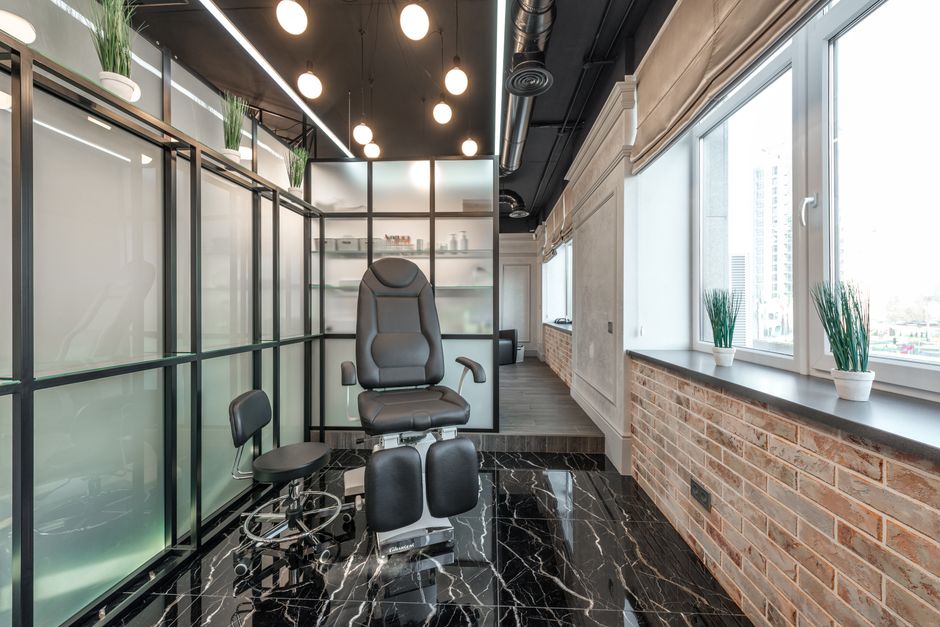
Commercial interior design involves the planning and designing of spaces used for commercial purposes. Unlike residential interior design, which focuses on homes, commercial design emphasizes functionality, safety, and compliance with codes and regulations. It requires a deep understanding of how spaces can be utilized effectively while also being visually appealing.
One key aspect of commercial interior design is the incorporation of branding elements. For instance, a retail space must reflect the brand’s identity through colors, materials, and layout. This not only attracts customers but also enhances their shopping experience, encouraging them to return. A skilled commercial interior designer can seamlessly integrate these elements into the overall design.
Key Skills Required for Commercial Interior Designers
To be successful in the field of commercial interior design, professionals must possess a range of skills. First and foremost, creativity is essential. Designers must be able to envision unique layouts and select materials that resonate with the target audience. Additionally, strong communication skills are necessary to collaborate effectively with clients, contractors, and other stakeholders.
Technical skills are also crucial. Familiarity with design software such as AutoCAD or SketchUp allows designers to create detailed plans and renderings. Furthermore, a solid understanding of building codes and regulations ensures that the designs are not only beautiful but also safe and compliant with legal standards.
The Design Process: From Concept to Completion
The journey of a commercial interior design project typically begins with an initial consultation. During this phase, the designer gathers information about the client’s needs, preferences, and budget. This information is crucial for developing a design brief that serves as a roadmap for the project.
Once the brief is established, designers create concept sketches and mood boards to present their ideas. Feedback from the client is essential at this stage, as it helps refine the design direction. After the client approves the concept, the designer moves on to create detailed plans that include specifications for materials, furnishings, and finishes.
Trends in Commercial Interior Design
As with any industry, commercial interior design is influenced by trends that reflect societal changes and technological advancements. Recently, there has been a significant shift towards sustainability in design. Many businesses are now prioritizing eco-friendly materials and energy-efficient solutions. This not only reduces the environmental impact but can also lead to cost savings in the long run.
Another trend is the incorporation of technology into design. Smart office spaces equipped with advanced technology can enhance productivity and streamline operations. Designers must stay updated on the latest technological innovations to create spaces that meet modern business needs.
Working with a Commercial Interior Designer
Collaborating with a commercial interior designer can be a game-changer for businesses looking to revamp their spaces. The expertise they bring to the table can save time, reduce costs, and ensure a cohesive design that aligns with the company’s goals. When searching for a designer, it’s essential to review their portfolio and seek recommendations to find a professional whose style matches your vision.
Additionally, establishing clear communication from the outset can lead to a more successful partnership. Discussing expectations, timelines, and budgets upfront will help set the stage for a smooth design process.
Conclusion
The role of a commercial interior designer is multifaceted, blending creativity with practicality. As businesses continue to evolve, the need for skilled designers who can create functional and inviting spaces will only grow. By understanding the key aspects of commercial interior design, businesses can make informed decisions that positively impact their work environments and customer experiences.