
Aquaponics is a revolutionary method of sustainable farming that combines aquaculture and hydroponics. This innovative approach allows you to grow plants and raise fish in a symbiotic environment, where the waste produced by fish provides nutrients for the plants, and the plants help filter the water for the fish. As more people become aware of the environmental impact of traditional farming methods, aquaponics is gaining popularity among home gardeners and commercial growers alike. In this article, we will explore the numerous benefits of using an aquaponics kit and how it can transform your gardening experience.
Understanding the Basics of Aquaponics
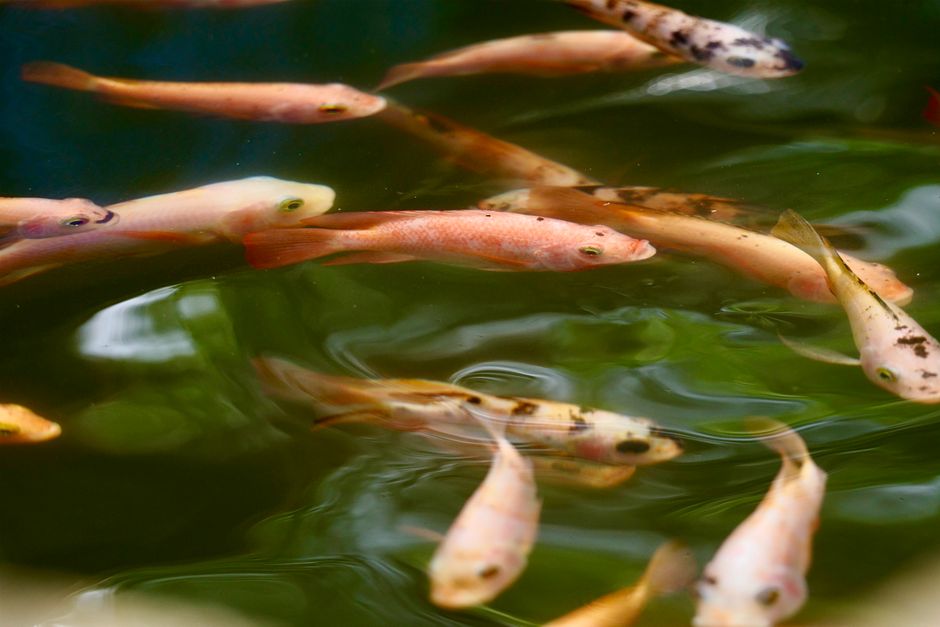
Aquaponics systems consist of three main components: fish, plants, and a biofilter. The fish are raised in a tank, and their waste is converted into nutrients by beneficial bacteria in the biofilter. The nutrient-rich water is then pumped to the plants, which absorb the nutrients and clean the water before it returns to the fish tank. This closed-loop system requires minimal water and space, making it ideal for urban settings or small backyards.
One of the primary advantages of an aquaponics kit is its ability to produce food in a sustainable manner. According to the United Nations, aquaponics can yield up to ten times more produce per square foot than traditional farming methods. This efficiency is especially critical in urban areas where land is limited and food production needs to be maximized.
The Environmental Benefits of Aquaponics
Aquaponics is not only efficient in terms of space but also in water usage. Traditional agriculture consumes vast amounts of water, but aquaponics uses about 90% less water due to its recirculating system. This conservation of water is increasingly important in a world facing water scarcity.
Furthermore, aquaponics reduces the need for chemical fertilizers and pesticides. The natural ecosystem created by the fish and plants leads to a healthier growing environment, resulting in organic produce that is free from harmful chemicals. This is particularly appealing to health-conscious consumers who want to avoid synthetic inputs in their food.
Building Your Own Aquaponics Kit
For those interested in starting their own aquaponics system, there are several options available. Aquaponics kits can be purchased online or at gardening centers, providing everything you need to get started, including tanks, pumps, and grow beds. For example, a basic home aquaponics kit can be set up for around $200 to $500, depending on the size and complexity.
Before purchasing a kit, it’s essential to consider the scale of your operation. A small countertop aquaponics kit may be sufficient for a few herbs and vegetables, while a larger system might be necessary for those looking to grow a more extensive range of crops or larger fish. Additionally, it’s crucial to research the types of fish and plants that thrive in an aquaponics environment to ensure a successful harvest.
For those who prefer a more hands-on approach, building your own aquaponics system from scratch can be a rewarding project. There are countless online resources and communities dedicated to aquaponics that provide step-by-step instructions and tips for success.
Maximizing Yield with Aquaponics
Once your aquaponics kit is up and running, there are several strategies you can implement to maximize your yield. Crop rotation and companion planting can enhance productivity and help prevent disease. For instance, growing fast-growing plants like lettuce alongside slower-growing crops like tomatoes can optimize space and resources.
Additionally, maintaining the right water quality is critical for both fish and plant health. Regularly testing pH levels, ammonia, and nitrate concentrations will help you keep your system balanced and thriving. Investing in water testing kits and learning about the specific requirements of your fish species will pay off in the long run.
Conclusion: Embrace the Future of Farming
Aquaponics is more than just a gardening trend; it represents a sustainable approach to food production that benefits both the environment and our communities. By investing in an aquaponics kit, you can contribute to a more sustainable future while enjoying fresh, organic produce right from your home. Whether you’re a seasoned gardener or just starting, aquaponics offers a unique opportunity to connect with nature and grow your own food sustainably. Explore the possibilities with an aquaponics kit and take the first step towards a greener lifestyle.