
Irrigation systems have become a cornerstone of modern agriculture, playing a critical role in maximizing crop yields and ensuring sustainability in farming practices. As climate change continues to impact weather patterns and water availability, effective irrigation methods are more important than ever. This article delves into various types of irrigation systems, their benefits, and the technology driving innovation in this essential field.
Types of Irrigation Systems
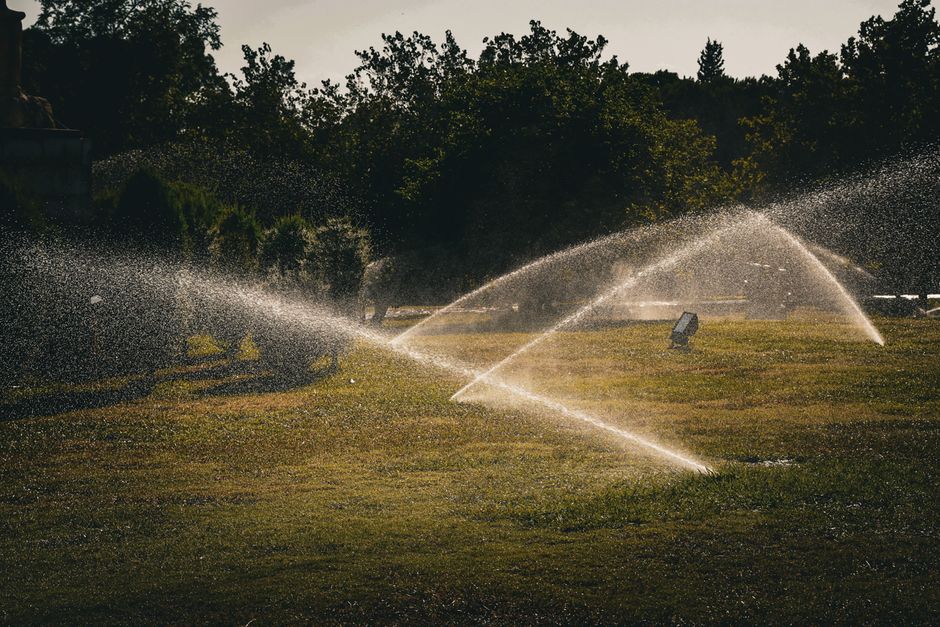
There are several types of irrigation systems, each designed to meet specific agricultural needs. The most common systems include surface irrigation, drip irrigation, and sprinkler irrigation. Surface irrigation involves the distribution of water over the soil surface, allowing it to soak in. This method is cost-effective but can be inefficient due to evaporation and runoff.
Drip irrigation, on the other hand, delivers water directly to the plant roots through a network of tubing and emitters. This system minimizes water waste and maximizes efficiency, making it increasingly popular among farmers looking to conserve resources. According to a study, drip irrigation can increase crop production by up to 30% while using 50% less water.
Lastly, sprinkler irrigation mimics natural rainfall by spraying water over crops through a system of pipes and pumps. This method is versatile and can be used for various crops, but it requires a significant amount of energy to operate. Farmers must choose the right system based on their specific crop needs, budget, and local conditions.
The Role of Technology in Irrigation
Advancements in technology have revolutionized irrigation systems in recent years. Automated systems equipped with sensors and timers allow farmers to optimize their water usage and reduce waste. For instance, soil moisture sensors can provide real-time data on soil conditions, enabling farmers to irrigate only when necessary.
Additionally, the integration of precision agriculture technologies, such as GPS and drones, has enhanced irrigation management. These tools enable farmers to monitor crop health and water distribution more effectively, leading to improved yields and reduced costs. As these technologies continue to evolve, we can expect even more efficient irrigation systems to emerge.
Furthermore, the use of mobile applications has made it easier for farmers to manage their irrigation systems remotely. By accessing data and controlling their irrigation schedules from their smartphones, farmers can respond quickly to changing weather conditions and make informed decisions.
Environmental Impact of Irrigation Systems
While irrigation systems are essential for agricultural productivity, they also have environmental implications. Over-irrigation can lead to waterlogging, salinity, and soil erosion, which can degrade farmland and reduce crop yields. Sustainable irrigation practices are crucial to minimizing these negative impacts.
Implementing methods such as rainwater harvesting and using recycled water for irrigation can significantly reduce the strain on freshwater resources. Moreover, promoting crop rotation and cover cropping can enhance soil health and improve water retention.
Farmers must also consider the ecological impact of their irrigation practices on local waterways and ecosystems. Responsible management of irrigation systems is essential to ensure that agricultural activities do not compromise water quality or biodiversity.
Future Trends in Irrigation Systems
The future of irrigation systems is poised for significant transformation as agriculture adapts to meet the challenges posed by climate change and population growth. Innovations such as smart irrigation systems, which utilize artificial intelligence and machine learning, are on the rise. These systems can analyze vast amounts of data to determine optimal irrigation schedules, helping farmers save water and enhance productivity.
Moreover, the development of drought-resistant crop varieties is also gaining traction. These crops require less water and can thrive in arid conditions, making them an attractive option for regions facing water scarcity. As research continues to advance, we can expect to see more breakthroughs that will help farmers adapt their irrigation practices to changing environmental conditions.
In conclusion, the evolution of irrigation systems is critical to the future of agriculture. By embracing innovative technologies and sustainable practices, farmers can maximize their yields while conserving precious water resources. As the global population continues to grow, the importance of efficient irrigation systems will only increase, making it essential for the agricultural sector to stay ahead of the curve.
For those interested in learning more about the intricacies of an irrigation system, numerous resources are available that delve into the latest research and advancements in this vital area of agriculture.