
Crop insurance is an essential tool for farmers, providing a safety net against unforeseen events that can threaten their livelihoods. With the increasing unpredictability of weather patterns, pest outbreaks, and market fluctuations, understanding the dynamics of crop insurance has never been more crucial. This article delves into the fundamentals of crop insurance, its importance, types, and how farmers can effectively navigate the complexities associated with it.
The Importance of Crop Insurance
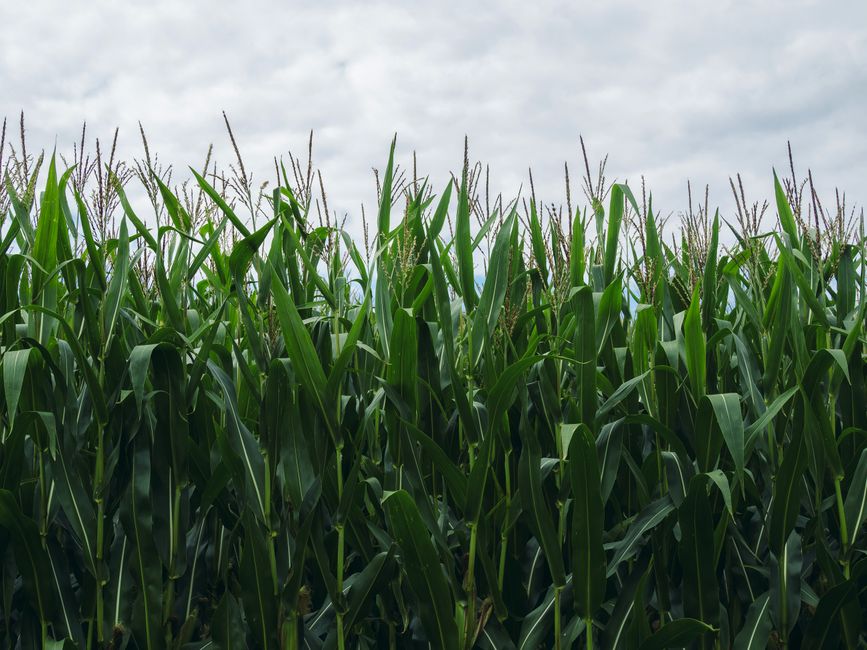
In the agricultural sector, the risks are numerous and often beyond the control of farmers. Events like droughts, floods, and hail can devastate crops, leading to significant financial losses. Crop insurance serves as a risk management tool that helps mitigate these losses, ensuring that farmers can recover and continue their operations. According to the USDA, insured farms are more likely to survive economic hardships compared to those without insurance.
Moreover, crop insurance can stabilize farm income, allowing farmers to make informed decisions regarding investments and operational strategies. It encourages farmers to engage in sustainable practices, knowing they have a protective measure in place. This, in turn, supports the overall stability of the food supply chain, benefiting consumers as well.
Types of Crop Insurance
There are several types of crop insurance policies available, each tailored to meet the diverse needs of farmers. The two primary categories are:
1. Actual Production History (APH) Insurance: This type of insurance covers losses based on the farmer’s historical production data. If the yield falls below the farmer’s average production, they are compensated for the difference. This method allows farmers to have a personalized safety net based on their specific farming history.
2. Revenue Insurance: Revenue insurance protects against loss of revenue due to low yields or low prices. This coverage is vital for farmers who face the dual threat of production loss and market fluctuations. For instance, if a farmer’s crop yield is satisfactory but market prices plummet, revenue insurance can help bridge the gap.
Navigating Crop Insurance Policies
Understanding the nuances of crop insurance can be daunting for many farmers. It’s crucial to assess individual needs, crop types, and financial situations when selecting a policy. Farmers should consider consulting with insurance agents who specialize in agricultural policies. These professionals can offer insights into the most suitable plans based on the farmer’s specific circumstances.
Additionally, staying informed about government programs that subsidize crop insurance can significantly reduce costs. For example, the Federal Crop Insurance program provides premium subsidies, making it more accessible for farmers to secure coverage. crop insurance plays a critical role in maintaining the viability of farming operations.
The Role of Technology in Crop Insurance
Advancements in technology have revolutionized the crop insurance sector. Innovative tools such as satellite imagery, drones, and data analytics are increasingly being used to assess crop health and predict risks more accurately. These technologies enable insurers to offer more tailored policies that reflect real-time conditions rather than relying solely on historical data.
Furthermore, digital platforms are making it easier for farmers to file claims and manage their policies efficiently. Mobile applications allow farmers to report losses quickly and access information about their coverage anytime, anywhere, streamlining the process and reducing stress during critical times.
Future Trends in Crop Insurance
As climate change continues to impact agriculture, the crop insurance industry is likely to evolve to meet new challenges. Insurers may begin to offer more customizable policies that account for specific regional risks, such as increased flooding or prolonged droughts. Additionally, there is a growing trend towards integrating sustainability practices into insurance policies, encouraging farmers to adopt eco-friendly methods.
Moreover, the use of big data and machine learning will likely enhance risk assessment, allowing for more accurate pricing and improved policy offerings. Farmers who stay ahead of these trends will be better positioned to protect their investments and ensure the sustainability of their operations.
Conclusion
Crop insurance is more than just a financial tool; it is a lifeline for many farmers navigating the uncertainties of agricultural production. By understanding the types of coverage available, the importance of technology, and the evolving landscape of the industry, farmers can make informed decisions that will safeguard their livelihoods. As we look toward the future, embracing innovation will be crucial in ensuring that crop insurance remains effective in protecting the agricultural sector from unforeseen risks.