
In the ever-changing landscape of agriculture, crop insurance has emerged as a vital tool for farmers seeking to safeguard their livelihoods. This form of insurance provides a financial safety net against the uncertainties and risks associated with farming, such as natural disasters, pests, and market fluctuations. This article delves into the intricacies of crop insurance, exploring its types, benefits, and the factors that farmers should consider when selecting a policy.
What is Crop Insurance?
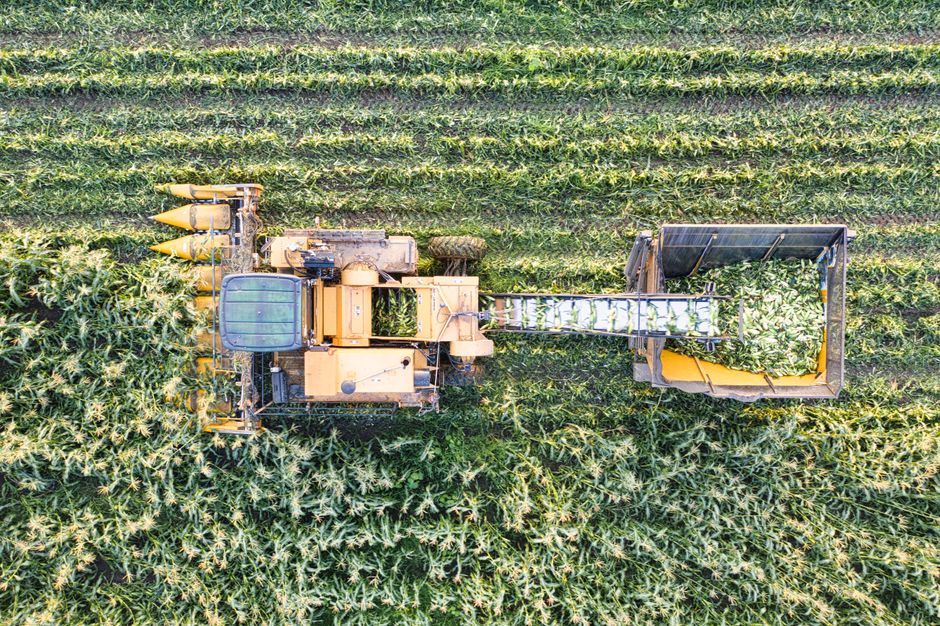
Crop insurance is a type of insurance policy designed to protect farmers against the loss of their crops due to specific causes. These causes can range from natural disasters like droughts and floods to disease outbreaks and market price drops. It serves as a financial cushion that helps farmers recover from potential losses, ensuring their operations can continue even in adverse conditions.
In many countries, crop insurance is not merely a luxury but a necessity for sustainable farming practices. For example, the United States Department of Agriculture (USDA) offers various crop insurance programs that cater to the diverse needs of farmers across different regions and crops.
Types of Crop Insurance
There are generally two main types of crop insurance: Actual Production History (APH) and Revenue Protection (RP). APH insurance covers losses based on the historical production of the farmer’s crops, while RP insurance provides coverage against revenue losses due to low prices or poor yields.
Farmers must understand the differences between these types to choose the most suitable policy for their operations. For instance, a farmer growing a high-value crop may benefit more from RP insurance, as it protects against both yield loss and price fluctuations.
The Benefits of Crop Insurance
One of the primary benefits of crop insurance is its ability to enhance the financial stability of farming operations. With a reliable crop insurance policy, farmers can plan for the future with greater confidence, knowing they have a safety net in place.
Additionally, crop insurance can encourage investment in improved agricultural practices and technology. When farmers have a safety net, they are more likely to adopt new techniques and invest in better equipment, ultimately leading to increased productivity and sustainability.
Moreover, many lenders require farmers to have crop insurance as a condition for financing. This requirement underscores the importance of crop insurance in securing loans and investments, making it a critical component of modern agriculture.
Factors to Consider When Choosing Crop Insurance
When selecting a crop insurance policy, farmers should consider several factors, including the types of crops they grow, the specific risks in their region, and their financial situation. Understanding the local climate and common agricultural challenges can help farmers tailor their insurance choices to their needs.
Furthermore, the timing of purchasing insurance is crucial. Many crop insurance policies need to be bought before the planting season, and late enrollment can lead to higher premiums or reduced coverage options. Farmers should stay informed about enrollment periods and premium rates to secure the best deals.
Additionally, consulting with insurance agents or agricultural extension services can provide valuable insights into the most appropriate coverage options. Farmers can benefit from expert opinions on the latest trends and available policies, ensuring they make informed decisions.
The Future of Crop Insurance
As climate change continues to impact agricultural practices, the need for robust crop insurance solutions is more critical than ever. Emerging technologies, such as precision agriculture and data analytics, are beginning to influence how crop insurance is designed and implemented.
Insurance companies are increasingly utilizing big data to assess risks more accurately, leading to more tailored insurance products that cater to individual farmers’ needs. This evolution promises to make crop insurance more accessible and efficient, ultimately benefiting the farming community at large.
In conclusion, crop insurance is an essential component of modern agriculture, providing crucial financial protection for farmers against the unpredictable nature of farming. By understanding the various types of crop insurance, their benefits, and the factors to consider when selecting a policy, farmers can better navigate the challenges of agricultural production. For more detailed information on crop insurance, you can visit crop insurance resources available online.