
In the modern world, energy consumption is an integral part of our daily lives. From powering our homes to fueling businesses, electricity is a necessity that drives our economy and lifestyle. However, many consumers are often unaware of the various options available to them when it comes to electricity providers. This article aims to shed light on the process of comparing electricity providers and why it is crucial for consumers looking to save money and make informed choices.
The Basics of Electricity Providers
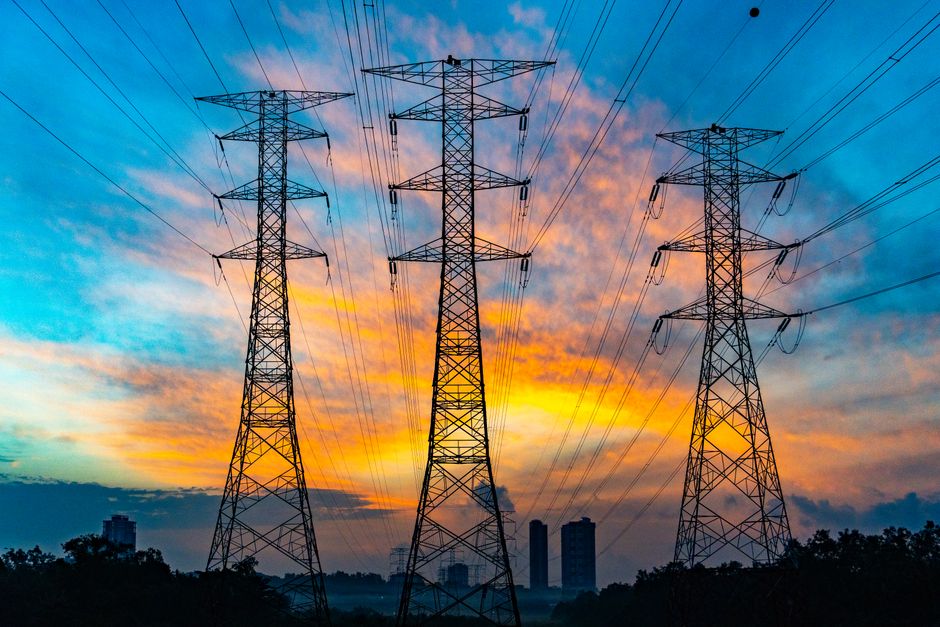
Electricity providers are companies that supply power to residential and commercial customers. In many regions, consumers have the right to choose their electricity provider, which can lead to significant savings. Understanding how these providers operate is the first step in making an informed decision. Different providers often offer varying rates, contract terms, and customer service levels. Therefore, it is essential to compare these factors to ensure that you select the best provider for your needs.
For instance, a consumer might find that while one provider offers a low introductory rate, their renewal rates may be significantly higher. In contrast, another provider may have a higher initial rate but offers stability and predictable pricing. Thus, looking beyond just the price is crucial in electricity provider comparison.
How to Compare Electricity Providers
When comparing electricity providers, consumers should consider several key factors. The first is the rate structure. Providers may offer fixed-rate plans, variable-rate plans, or time-of-use plans. A fixed-rate plan locks in a rate for the duration of the contract, providing predictability. On the other hand, variable-rate plans can fluctuate based on market conditions, which may lead to lower costs at times but can also result in higher bills during peak periods.
Another important factor is the contract length. Some consumers prefer short-term contracts that allow for flexibility, while others may opt for longer contracts to secure a stable rate. Additionally, consumers should look into the fees associated with switching providers, as some companies may impose exit fees that can offset any savings.
The Role of Customer Service
Customer service is an often-overlooked aspect of electricity provider comparison. A provider may have the best rates, but if their customer service is lacking, it can lead to frustration during outages or billing disputes. Reading reviews and ratings from current customers can provide insight into a company’s reliability and responsiveness.
Moreover, consider the availability of online account management and customer support options. Providers that offer user-friendly online tools for managing accounts can enhance your overall experience. In today’s digital age, having access to efficient customer service can make a significant difference in ensuring customer satisfaction.
Renewable Energy Options
As climate change becomes an increasingly pressing issue, many consumers are looking for ways to support renewable energy initiatives. When comparing electricity providers, it is worth exploring those that offer green energy plans or renewable energy credits. These options allow consumers to reduce their carbon footprint and support sustainable energy sources.
Furthermore, some providers may have partnerships with local renewable energy projects, providing customers with the opportunity to invest in their communities while also receiving power from sustainable sources. By choosing a provider that aligns with your values regarding the environment, you can contribute to a greener future.
Using Comparison Tools
To simplify the process of comparing electricity providers, various online tools can help consumers make informed decisions. Websites offering electricity provider comparison allow users to input their usage and preferences to receive tailored recommendations. These platforms often highlight the pros and cons of each provider, making it easier to discern which option is the best fit.
Additionally, many utility commissions provide resources and guides to help consumers understand their rights and options when it comes to selecting an electricity provider. Utilizing these resources can empower consumers to take charge of their energy choices and potentially save money on their bills.
Conclusion
In conclusion, comparing electricity providers is an essential process for consumers seeking to optimize their energy costs and ensure they receive reliable service. By understanding the different rate structures, contract options, customer service levels, and renewable energy initiatives, consumers can make informed choices that align with their needs and values. As the energy market continues to evolve, staying informed and proactive in comparing providers will lead to better outcomes for both consumers and the environment.