
Replacing a roof can be one of the most significant expenses for a homeowner. Understanding the factors that contribute to the overall roof replacement cost is crucial for budgeting and planning. From the type of materials used to labor costs, this article delves into the various components that influence the price of a new roof.
Factors Influencing Roof Replacement Costs
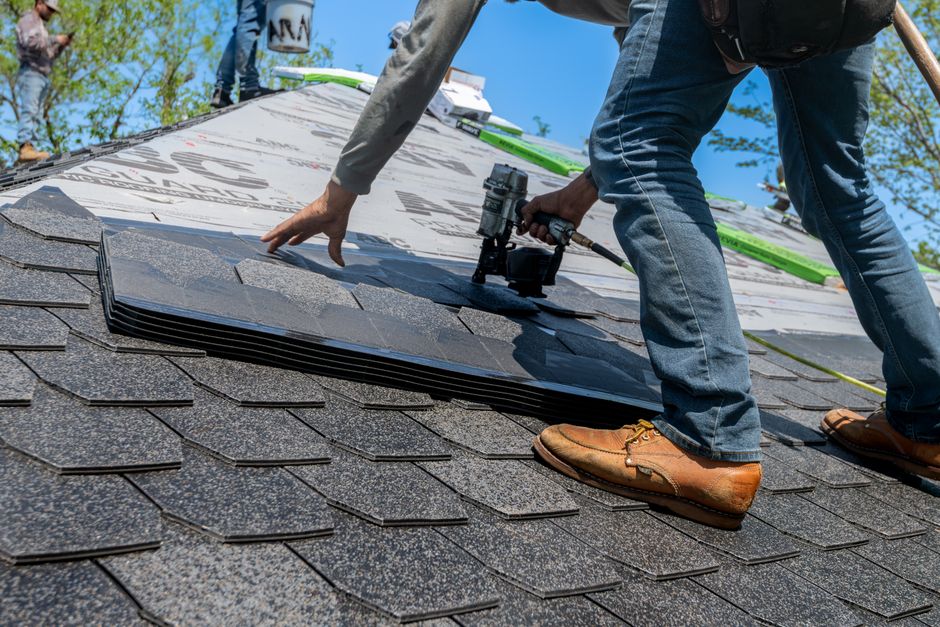
The cost of replacing a roof can vary widely based on several factors. Firstly, the type of roofing material plays a significant role. For instance, asphalt shingles are generally more affordable than metal or tile roofs. Each material comes with its own set of costs, benefits, and longevity. Additionally, the size and pitch of the roof are critical; larger roofs or those with steep pitches will naturally cost more to replace due to the increased labor and materials required.
Moreover, the condition of the existing roof can affect the overall price. If the underlying structure requires repair or if there are multiple layers of old roofing that need to be removed, these factors can add to the total cost. It’s also important to consider regional differences in labor costs, which can vary significantly from one area to another.
Estimating Your Roof Replacement Budget
To accurately estimate your roof replacement budget, it’s essential to get multiple quotes from contractors. These quotes should detail the materials, labor, and any additional costs such as permits or disposal fees. On average, homeowners can expect to pay anywhere from $5,000 to $15,000 for a complete roof replacement, depending on the factors mentioned earlier.
For example, a small home with an asphalt shingle roof may cost around $7,000 to replace, while a larger home with a metal roof could exceed $20,000. By obtaining several estimates, homeowners can compare prices and services, ensuring they find a contractor that fits their budget and needs.
Financing Options for Roof Replacement
Many homeowners may find the upfront cost of roof replacement daunting. Fortunately, there are several financing options available. Some contractors offer payment plans, allowing homeowners to spread the cost over time. Additionally, there are government programs and grants that assist with home repairs, especially for low-income families.
Another popular option is to use home equity loans or lines of credit. These can provide the necessary funds for a roof replacement at a lower interest rate compared to other forms of borrowing. It’s crucial to evaluate these options carefully, as they can impact your financial situation in the long run.
Importance of Professional Installation
While some homeowners may consider DIY roof replacement to save money, hiring a professional is often the best course of action. Professional roofers have the expertise and tools necessary to ensure the job is done correctly and safely. Furthermore, many contractors offer warranties on both materials and labor, providing peace of mind in case of future issues.
Moreover, improper installation can lead to costly repairs down the line, negating any initial savings from a DIY approach. Investing in professional installation can save homeowners significant expenses and headaches in the future.
Conclusion
In summary, understanding the roof replacement cost involves considering various factors, including materials, labor, and the condition of the existing roof. By obtaining multiple quotes and exploring financing options, homeowners can make informed decisions about their roof replacement projects. Ultimately, investing in a quality roof not only enhances the value of a home but also provides essential protection against the elements.