
In today’s construction and excavation industry, the demand for heavy machinery rental has surged dramatically. Among these, excavators stand out due to their versatility and efficiency in various projects. Whether you’re a contractor handling a large-scale renovation or a DIY enthusiast tackling a backyard landscaping project, understanding the ins and outs of excavator rental can save you time and money.
Understanding Excavators: Types and Functions
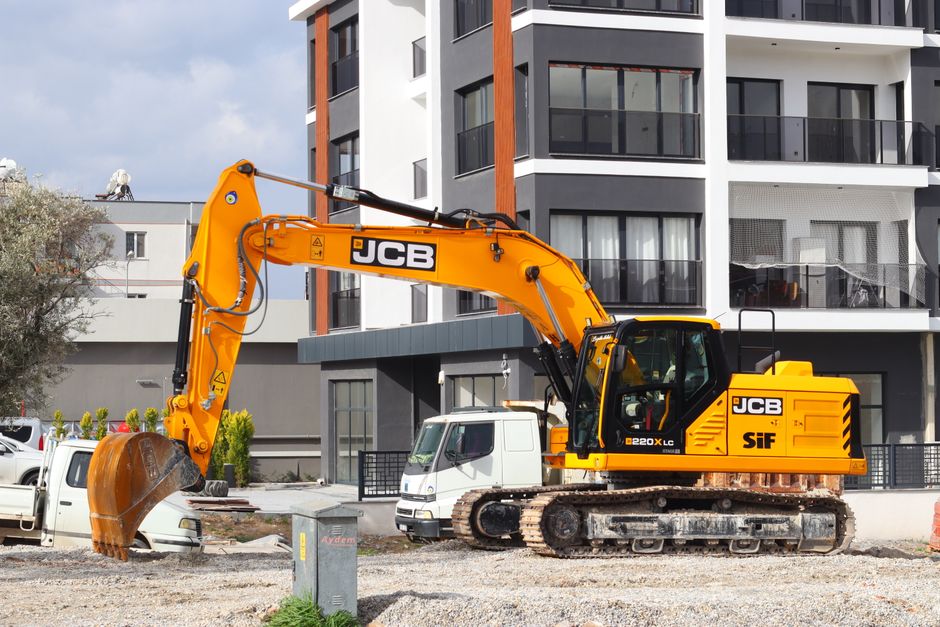
Excavators come in various types, each designed for specific tasks. The most common types include hydraulic excavators, mini excavators, and crawler excavators. Hydraulic excavators are the most widely used due to their power and flexibility, making them suitable for digging, lifting, and more. Mini excavators, on the other hand, are perfect for smaller jobs where space is limited, providing maneuverability without sacrificing performance.
Furthermore, crawler excavators are built for rough terrains, providing stability and traction. Each type serves a unique purpose, and selecting the right one for your project is crucial. Consider the scale of your work, the type of terrain, and the specific tasks you need to accomplish when choosing an excavator.
The Benefits of Renting an Excavator
Renting an excavator offers several advantages over purchasing one. First and foremost, it significantly reduces upfront costs. Buying heavy machinery can be a substantial financial commitment, whereas renting allows you to access the equipment you need without the burden of ownership costs.
Additionally, renting provides flexibility. If your project requires different types of machinery at various stages, renting allows you to adapt quickly without the hassle of selling or maintaining multiple machines. This flexibility is particularly beneficial for contractors who manage multiple projects simultaneously.
Factors to Consider When Renting an Excavator
When considering an excavator rental, several factors come into play. First, assess the rental duration. Are you working on a short-term project, or do you need the equipment for an extended period? Many rental companies offer competitive rates for long-term rentals, so it’s worth inquiring about discounts.
Next, evaluate the rental company’s reputation. Look for reviews and testimonials from previous customers to ensure you are renting from a reliable source. Customer service is also key; ensure that the rental company provides support for maintenance and any issues that may arise during your rental period.
Cost Implications of Excavator Rentals
The cost of renting an excavator can vary widely based on several factors, including the type of excavator, rental duration, and geographical location. On average, you can expect to pay between $200 to $1,500 per day, depending on these factors.
Moreover, additional costs may arise, such as transportation fees, insurance, and maintenance. Always ask for a detailed breakdown of costs before finalizing your rental agreement to avoid unexpected expenses. Planning your budget meticulously will help ensure your project stays financially viable.
Best Practices for Using Rented Excavators
Once you have secured your excavator rental, it’s essential to operate it safely and effectively. Familiarize yourself with the machinery before starting work. Most rental companies provide an orientation on how to use their equipment, so take advantage of this.
Additionally, ensure that all operators are trained and licensed to operate heavy machinery. Safety should always be a top priority on any job site. Implementing proper safety protocols can prevent accidents and ensure a smooth operation throughout the rental period.
Conclusion: Making the Right Choice for Your Excavation Needs
Renting an excavator can be a game-changer for construction projects, offering flexibility and cost-effectiveness. By understanding the different types of excavators, the benefits of renting, and the factors to consider, you can make informed decisions that align with your project goals. Whether you’re a seasoned contractor or a first-time renter, being equipped with the right knowledge will lead to successful outcomes in your excavation endeavors.