
In recent years, the agricultural landscape has been undergoing a significant transformation, driven by the need for sustainable practices and innovative technologies. Among these advancements, vertical farming technology stands out as a promising solution to the challenges of traditional farming methods. This article delves into the various aspects of vertical farming, including its benefits, challenges, and future prospects.
What is Vertical Farming?
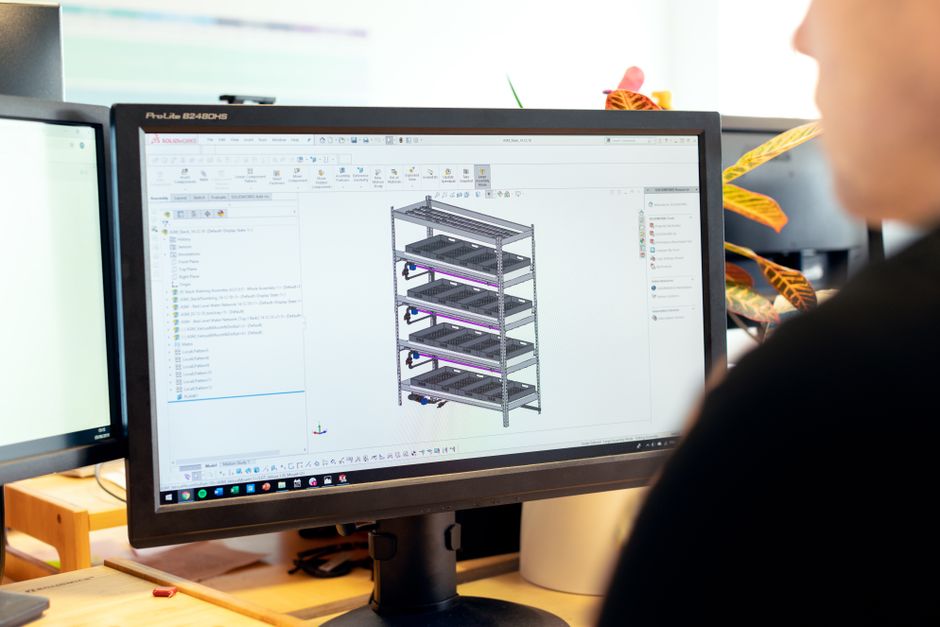
Vertical farming refers to the practice of growing crops in stacked layers, often incorporating controlled environment agriculture (CEA) technology. This method allows for the cultivation of plants in urban areas, where land is limited. By utilizing vertical space, farmers can maximize their yield per square meter, potentially producing more food with less land.
One of the key features of vertical farming is its reliance on technology. Many vertical farms use hydroponics or aeroponics systems, which allow plants to grow without soil. Instead, they are nourished through nutrient-rich water solutions, making it possible to grow crops in environments that would otherwise be unsuitable for agriculture.
Benefits of Vertical Farming
The benefits of vertical farming technology are numerous and significant. First and foremost, vertical farms can produce food year-round, independent of weather conditions. This capability is particularly important as climate change continues to affect traditional agricultural practices.
Additionally, vertical farming reduces the need for pesticides and herbicides. The controlled environment minimizes exposure to pests and diseases, resulting in cleaner produce. This not only benefits consumers but also contributes to a more sustainable agricultural system.
Moreover, vertical farms can be established in urban areas, reducing the carbon footprint associated with transporting food from rural areas to cities. By growing food closer to where it is consumed, vertical farming can help create more sustainable food systems.
Challenges Facing Vertical Farming
Despite its many advantages, vertical farming technology is not without its challenges. One of the primary obstacles is the high initial investment required to set up a vertical farm. The technology and infrastructure needed can be costly, which may deter potential investors and farmers.
Energy consumption is another concern. While vertical farms can be energy-efficient compared to traditional farms, they still require significant amounts of electricity, especially for lighting and climate control. Researchers are actively looking for ways to utilize renewable energy sources to mitigate this issue.
Case Studies of Successful Vertical Farms
Several successful vertical farms around the world serve as examples of the potential of this technology. For instance, AeroFarms in Newark, New Jersey, has developed a system that uses 95% less water than traditional farming methods while producing crops without pesticides. Their innovative approach has garnered attention and investment, showcasing the viability of vertical farming.
Similarly, the Singapore-based company Sky Greens operates vertical farms that utilize a unique A-frame system to grow a variety of vegetables. This method not only conserves space but also maximizes exposure to sunlight, demonstrating how vertical farming can be adapted to different environments.
The Future of Vertical Farming Technology
The future of vertical farming technology looks promising as advancements continue to emerge. With increasing urbanization and a growing global population, the demand for sustainable food sources is at an all-time high. Vertical farming may play a critical role in meeting this demand.
Investments in research and development are essential to address the current challenges facing vertical farming. Innovations in energy efficiency, automation, and crop management will likely enhance the productivity and sustainability of vertical farms.
As society becomes more conscious of food security and environmental issues, vertical farming technology will continue to gain traction. The integration of this technology into urban planning and agricultural policies could pave the way for a more resilient and sustainable future.
In conclusion, vertical farming technology represents a significant shift in how we approach agriculture. By maximizing space, reducing resource consumption, and producing food closer to urban populations, this innovative method has the potential to revolutionize the food industry. As we embrace these changes, the future of food production may look very different from the past.
For more information on the latest advancements in vertical farming technology and its applications, exploring industry reports and case studies can provide valuable insights for those interested in this evolving field.