
In recent years, 3D printing has emerged as a revolutionary technology that is transforming various industries. From manufacturing to healthcare, the ability to create three-dimensional objects from digital files has opened up new possibilities for innovation and efficiency. As businesses and individuals increasingly turn to 3D printing services, understanding the impact and potential of this technology becomes crucial.
The Basics of 3D Printing
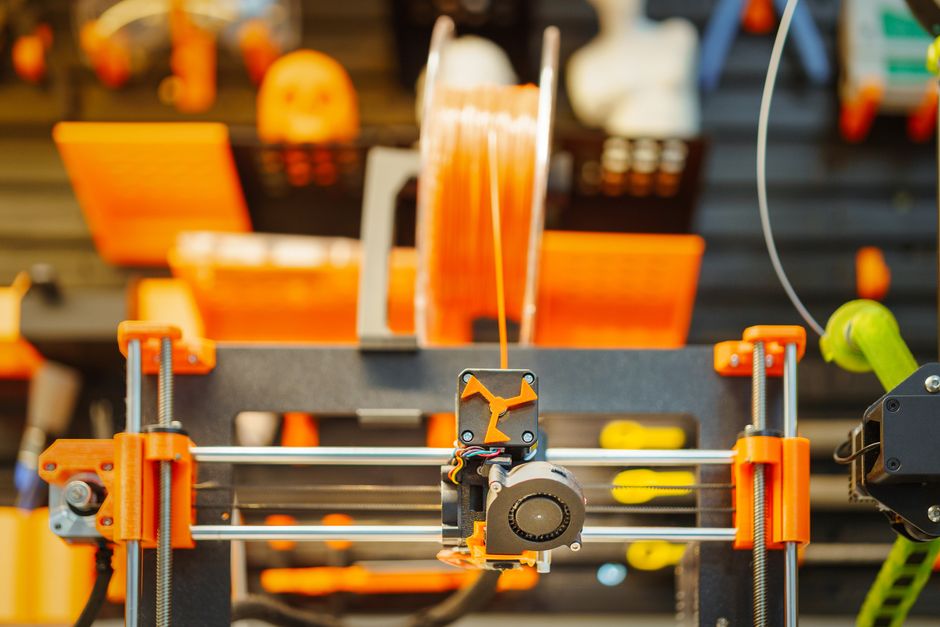
3D printing, also known as additive manufacturing, involves creating objects layer by layer from a digital model. This process typically begins with designing a 3D model using computer-aided design (CAD) software. Once the design is complete, the 3D printer uses various materials, such as plastic, metal, or resin, to build the object from the ground up.
One of the key advantages of 3D printing is its ability to produce complex geometries that would be difficult or impossible to achieve with traditional manufacturing methods. This flexibility allows for rapid prototyping, where designers can quickly create and test models, significantly reducing the time and cost associated with product development.
Furthermore, 3D printing can minimize material waste, as objects are built only with the necessary amount of material, making it an environmentally friendly option compared to subtractive manufacturing techniques.
Applications Across Industries
The applications of 3D printing are vast and diverse, impacting industries such as aerospace, automotive, healthcare, and consumer goods. In the aerospace sector, companies are using 3D printing to create lightweight components that enhance fuel efficiency and reduce costs. For example, Boeing has successfully utilized 3D-printed parts in its aircraft, resulting in a significant reduction in manufacturing time.
In the healthcare sector, 3D printing is revolutionizing the way medical devices and prosthetics are created. Custom implants and prosthetics can be tailored to fit individual patients, leading to improved outcomes. Moreover, bioprinting, a subset of 3D printing, is being explored for creating tissue and organ structures, which could potentially address the organ transplant shortage.
The consumer goods industry is also benefiting from 3D printing, with companies offering personalized products ranging from jewelry to home decor. This ability to customize products on demand is changing consumer expectations and driving businesses to adopt this technology.
The Economic Impact of 3D Printing Services
The economic implications of 3D printing services are profound. According to a report by Wohlers Associates, the 3D printing industry is projected to reach $35.6 billion by 2024, growing at a compound annual growth rate (CAGR) of 25.76%. This growth is driven not only by advancements in technology but also by the increasing demand for customized and efficient manufacturing solutions.
Additionally, 3D printing services can lower the barriers to entry for startups and small businesses. With reduced costs associated with traditional manufacturing processes, entrepreneurs can innovate and compete in ways that were previously unimaginable. This democratization of manufacturing is fostering a new wave of creativity and entrepreneurship.
The Challenges and Future of 3D Printing
Despite its many advantages, 3D printing is not without challenges. Issues such as material limitations, regulatory concerns, and the need for skilled labor remain significant hurdles. For instance, while many materials are available for 3D printing, not all are suitable for every application, particularly in industries with strict safety standards like aerospace and healthcare.
Moreover, regulatory bodies are still catching up with the rapid advancement of 3D printing technology. As the industry evolves, establishing standards and regulations will be crucial to ensure safety and quality in 3D-printed products.
Looking to the future, the potential for 3D printing is immense. Innovations such as artificial intelligence and machine learning are expected to enhance the capabilities of 3D printers, enabling even more complex designs and faster production times. As this technology continues to advance, it will undoubtedly play a pivotal role in shaping the future of manufacturing and design.
Conclusion
In conclusion, 3D printing services represent a significant leap forward in manufacturing and design. The ability to produce customized, complex objects efficiently has implications for various industries, from healthcare to aerospace. As businesses increasingly adopt this technology, understanding its potential and challenges is essential for staying competitive in a rapidly changing landscape. The future of 3D printing holds exciting possibilities, and those who embrace this innovation will be at the forefront of the next industrial revolution.