
Sheet metal fabrication is a crucial process in various industries, from automotive to aerospace, and even architecture. Understanding this process can provide insights into the manufacturing world and the technologies that drive it. In this article, we will explore the fundamentals of sheet metal fabrication, its applications, and the techniques that make it a cornerstone of modern manufacturing.
What is Sheet Metal Fabrication?
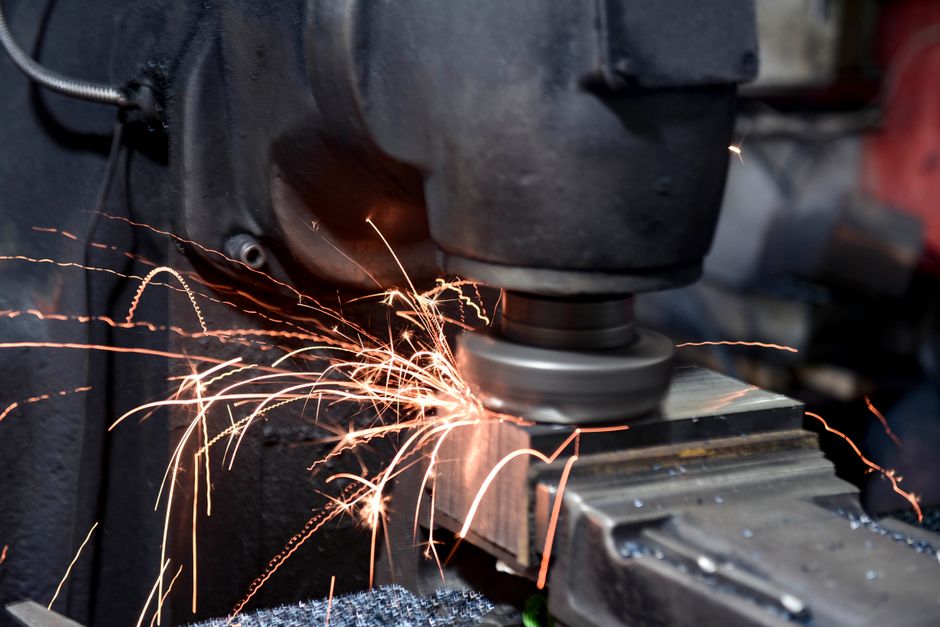
Sheet metal fabrication involves the process of transforming flat sheets of metal into desired shapes and structures. This is achieved through various methods such as cutting, bending, and assembling. The materials typically used in this process include aluminum, steel, and copper, each offering unique properties and benefits. The sheet metal fabrication process is vital for creating components that are both lightweight and strong, making it an ideal choice for a range of applications.
Techniques Used in Sheet Metal Fabrication
There are several techniques employed in sheet metal fabrication, each tailored to meet specific design requirements and production goals. Some of the most common methods include:
- Laser Cutting: This technique uses a high-powered laser to cut precise shapes from sheets of metal. It is favored for its accuracy and ability to produce complex designs.
- Shearing: Shearing is a process that involves cutting large sheets of metal into smaller pieces. It is often used when straight cuts are needed without the formation of burrs.
- Bending: Bending is used to create folds in metal sheets, allowing for the creation of three-dimensional shapes.
Each of these techniques can be combined and adapted to fabricate a wide range of products, from simple brackets to complex enclosures.
Applications of Sheet Metal Fabrication
The applications of sheet metal fabrication are vast and varied. In the automotive industry, it is used to produce body panels, chassis components, and exhaust systems. In construction, it is employed to create roofing, gutters, and HVAC ductwork. Additionally, the electronics industry relies on sheet metal fabrication for enclosures and heat sinks. The versatility of this process allows it to cater to different sectors, adapting to the unique needs of each field.
For instance, the aerospace industry demands high precision and lightweight materials for aircraft components. Here, sheet metal fabrication plays a critical role in ensuring that parts meet stringent safety and performance standards.
The Future of Sheet Metal Fabrication
As technology advances, so does the field of sheet metal fabrication. Innovations such as automation and the integration of artificial intelligence are reshaping the landscape of manufacturing. Automated systems can enhance production efficiency and reduce human error, while AI can assist in optimizing designs and material usage.
Moreover, the rise of sustainable manufacturing practices is influencing how sheet metal fabrication is approached. Companies are increasingly looking for ways to minimize waste and reduce energy consumption, leading to a greater emphasis on recycling materials and utilizing eco-friendly practices.
Challenges in Sheet Metal Fabrication
Despite its many advantages, sheet metal fabrication is not without challenges. One of the primary issues faced by manufacturers is the variability in material quality. Differences in thickness, alloy composition, and surface finish can affect the final product’s performance and durability.
Additionally, as designs become more complex, the need for advanced fabrication techniques increases. This can lead to higher production costs and longer lead times. Manufacturers must balance the demands for precision and efficiency while maintaining cost-effectiveness.
Conclusion
Sheet metal fabrication is an essential process that underpins a wide array of industries. From its fundamental techniques to its diverse applications, understanding this craft can provide valuable insights into the manufacturing world. As technology continues to evolve, the future of sheet metal fabrication looks promising, with advancements that will likely enhance efficiency and sustainability. By keeping abreast of these trends, manufacturers can remain competitive and innovative in an ever-changing marketplace.