
In an increasingly digital world, the importance of security cannot be overstated. Access control systems play a pivotal role in protecting sensitive information and physical assets. These systems regulate who can enter or access specific areas, both in physical locations and in digital environments. With the rise of cybersecurity threats and the need for robust security measures, understanding access control systems has never been more critical.
Understanding Access Control Systems
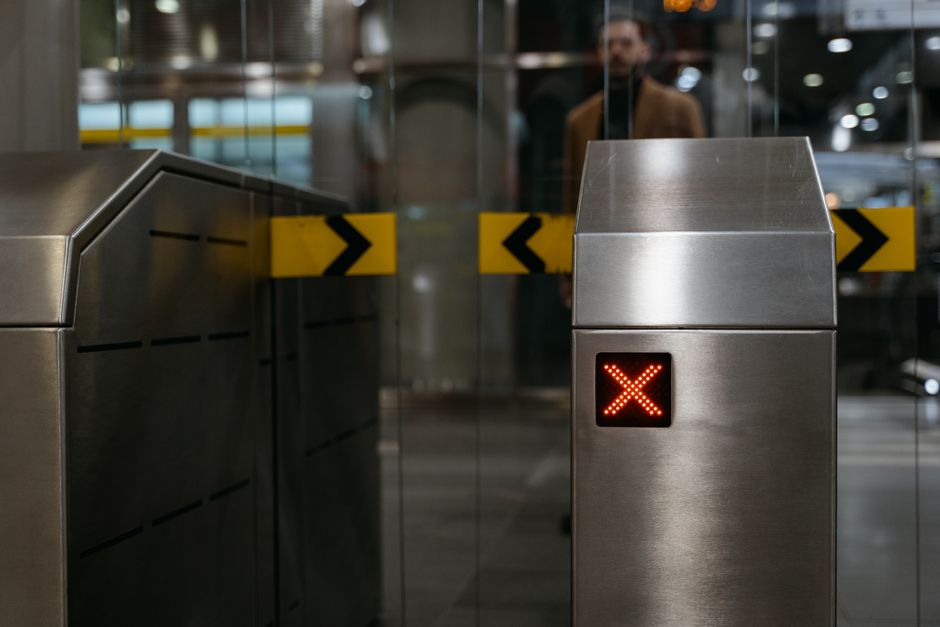
Access control systems are designed to restrict access to resources, whether they are physical spaces or digital data. There are several types of access control models, including mandatory access control (MAC), discretionary access control (DAC), and role-based access control (RBAC). Each model has its own set of rules and mechanisms for managing access.
Mandatory access control, for instance, is commonly used in government and military applications where security is paramount. In this model, access rights are assigned based on regulations and policies set by a central authority. On the other hand, discretionary access control allows users to control access to their own resources, giving them the flexibility to share or restrict access at their discretion.
Role-based access control, which has gained popularity in corporate settings, assigns access rights based on the roles of individual users within an organization. This model simplifies the management of permissions by collating users with similar access needs into groups.
The Importance of Access Control in Cybersecurity
As cyber threats continue to evolve, the need for effective access control systems has become even more critical. Cyber attacks often exploit weak or poorly managed access controls to gain unauthorized access to sensitive information. According to a report from IBM, human error is a leading cause of data breaches, highlighting the importance of automating access control processes to minimize risks.
Implementing a robust access control system can significantly reduce an organization’s vulnerability to cyber threats. These systems help ensure that only authorized users can access sensitive data, thereby protecting against insider threats and external attacks. For instance, companies that utilize multi-factor authentication (MFA) in their access control systems can add an extra layer of security, making it more difficult for unauthorized users to gain access.
Moreover, access control systems can help organizations comply with various regulatory requirements, such as GDPR and HIPAA. By establishing clear access permissions and monitoring access logs, companies can demonstrate their commitment to data protection and privacy.
Physical Access Control Systems
While much of the discussion around access control systems focuses on digital security, physical access control is equally important. Many organizations implement physical access control systems to secure their premises and protect against unauthorized entry. These systems often include electronic locks, security guards, and surveillance cameras.
For example, an organization may use a keycard system to control entry to sensitive areas. Each employee is issued a keycard that grants them access only to the areas necessary for their work. This not only enhances security but also provides a record of who accessed specific areas and when.
In addition, physical access control systems can be integrated with alarm systems to alert security personnel in case of unauthorized access attempts. This real-time monitoring capability enhances overall security and helps organizations respond quickly to potential threats.
Future Trends in Access Control Systems
The landscape of access control systems is continually evolving. One trend is the increasing adoption of biometric authentication methods, such as fingerprint or facial recognition. These methods provide a higher level of security compared to traditional passwords or keycards, as they are unique to each individual.
Additionally, the rise of the Internet of Things (IoT) has led to the development of smart access control systems that can be managed remotely through mobile devices. This flexibility allows organizations to monitor and manage access in real-time from anywhere in the world.
Furthermore, artificial intelligence (AI) is beginning to play a significant role in access control. AI can analyze access patterns and detect anomalies, helping organizations identify potential security threats before they escalate.
Conclusion
Access control systems are an essential component of modern security strategies, both in physical and digital environments. As threats continue to evolve, organizations must invest in robust access control measures to protect their assets and sensitive information. By understanding the different models and trends in access control, businesses can implement effective strategies to enhance their security posture. For those looking to deepen their knowledge, research on the access control system can provide valuable insights into best practices and emerging technologies.