
In an era dominated by technological advancement, the significance of automation in industrial processes cannot be overstated. As businesses strive for efficiency, consistency, and reduced operational costs, the role of industrial automation suppliers has become pivotal. These suppliers not only provide necessary equipment but also contribute to the overall strategy of automation within various sectors.
Understanding Industrial Automation
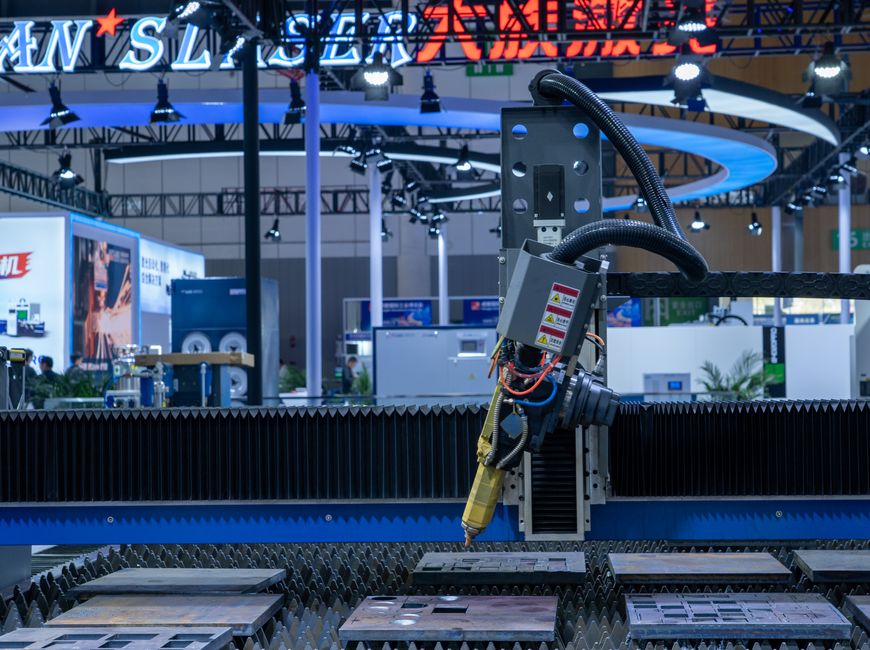
Industrial automation refers to the use of control systems for operating equipment in manufacturing plants, boilers, and heat treating ovens, switching on telephone networks, steering, and other applications. The primary goal of automation is to enhance productivity by minimizing human intervention. This transition has been facilitated by advancements in technology, including robotics, artificial intelligence, and the Internet of Things (IoT).
Statistics reveal that the global industrial automation market is projected to reach USD 300 billion by 2025, growing at a CAGR of 8.2%. This growth underscores the increasing reliance on automation solutions across industries. As businesses recognize the potential for significant cost savings and improved efficiency, they are turning to automation suppliers for comprehensive solutions.
Moreover, the integration of smart technologies has revolutionized traditional manufacturing processes. For instance, by utilizing IoT-enabled devices, companies can monitor equipment performance in real-time, allowing for predictive maintenance and minimizing downtime. This seamless integration demonstrates the importance of partnering with a reliable industrial automation supplier.
The Benefits of Partnering with Automation Suppliers
Collaborating with industrial automation suppliers offers numerous advantages. Firstly, suppliers provide tailored solutions that meet the specific needs of various industries. Whether it is automotive, food and beverage, or pharmaceuticals, automation suppliers have the expertise to deliver customized systems that enhance operational efficiency.
Additionally, suppliers often offer extensive support services, including installation, training, and maintenance. This ongoing support ensures that businesses can maximize the benefits of their automation systems. For example, a manufacturer that collaborates with an automation supplier can benefit from training programs that educate employees on the latest technologies and practices, fostering a culture of continuous improvement.
Furthermore, automation suppliers are at the forefront of technological innovation. By staying updated with the latest trends and advancements, they can provide clients with cutting-edge solutions that enhance productivity. This aspect is particularly crucial in industries where competitive advantage is heavily reliant on technology.
Challenges in the Automation Supply Chain
Despite the benefits, the automation supply chain is not without challenges. One of the primary issues is the integration of new technologies with existing systems. Many businesses operate with legacy systems that pose compatibility challenges. Automation suppliers must navigate these complexities to offer effective solutions.
Moreover, the pace of technological change can be overwhelming for some organizations. Keeping up with rapid advancements requires continuous investment in training and infrastructure. This can be a significant barrier for small to medium-sized enterprises that may lack the resources to adapt quickly.
Additionally, cybersecurity is a growing concern in industrial automation. As more devices become interconnected, the risk of cyberattacks increases. Automation suppliers must ensure that their solutions are secure and resilient against potential threats, which requires ongoing vigilance and investment.
Future Trends in Industrial Automation
Looking ahead, several key trends are shaping the future of industrial automation. One of the most notable is the rise of artificial intelligence (AI) and machine learning. These technologies are enabling automation systems to become smarter and more adaptable, allowing for greater efficiency and productivity.
Another significant trend is the move towards sustainability. Businesses are increasingly focused on reducing their carbon footprint and adopting environmentally friendly practices. Automation suppliers play a crucial role in this shift by providing solutions that optimize resource usage and reduce waste.
Additionally, the emergence of collaborative robots, or cobots, is transforming the landscape of industrial automation. These robots are designed to work alongside human workers, enhancing productivity while ensuring safety. As companies embrace a more flexible workforce, the demand for cobots is expected to rise significantly.
Conclusion
In conclusion, industrial automation suppliers are essential partners in driving efficiency and innovation across industries. By understanding the importance of automation, businesses can leverage the expertise of these suppliers to navigate the complexities of modern manufacturing. As the landscape continues to evolve, staying informed about trends and advancements will be crucial for organizations aiming to maintain a competitive edge in their respective markets.