
In an era where technology is constantly evolving, the rise of drones has revolutionized various industries, from photography to agriculture. As the demand for skilled drone pilots continues to increase, understanding the certification process has become essential for aspiring drone operators. This article delves into the intricacies of drone pilot certification, exploring its importance, the steps involved, and the potential career opportunities that await certified pilots.
Understanding Drone Pilot Certification
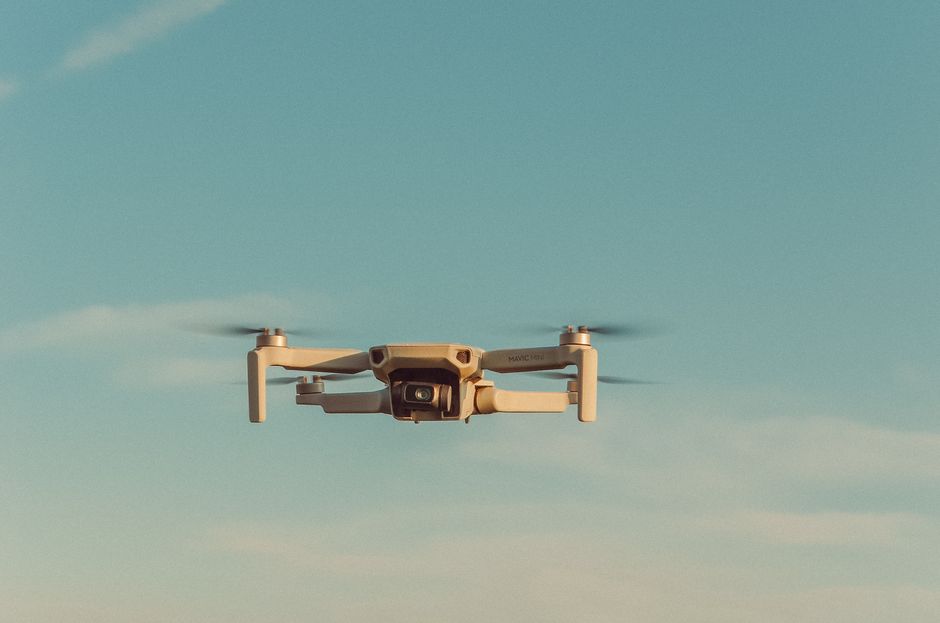
Drone pilot certification is a formal acknowledgment that a pilot has acquired the necessary skills and knowledge to operate a drone safely and responsibly. This certification is crucial, especially as regulations governing drone usage have become more stringent worldwide. By obtaining certification, pilots demonstrate their commitment to adhering to safety protocols and legal regulations, ensuring both their safety and that of the public.
Different countries have varying requirements for drone pilot certification. For instance, in the United States, the Federal Aviation Administration (FAA) mandates that pilots obtain a Remote Pilot Certificate, which requires passing a knowledge test covering regulations, airspace classification, and drone operations. In contrast, the European Union has established the European Union Aviation Safety Agency (EASA) regulations, which also emphasize safety and competency.
The Certification Process
The process of obtaining a drone pilot certification typically involves several key steps. First, aspiring pilots must familiarize themselves with the specific regulations and requirements set by their country’s aviation authority. This may include studying materials, attending training courses, and gaining practical flying experience.
Once the foundational knowledge is established, candidates must pass a written examination that tests their understanding of key concepts related to drone operations. In some cases, a practical flying test may also be required to evaluate the pilot’s skills in real-world scenarios.
For those looking to pursue a professional career as a drone pilot, obtaining an drone pilot certification is often a necessary step. Not only does it validate their skills, but it also opens doors to various job opportunities across industries such as construction, real estate, and aerial surveying.
Benefits of Being a Certified Drone Pilot
Becoming a certified drone pilot comes with numerous benefits. First and foremost, it enhances a pilot’s credibility in the eyes of potential employers and clients. Certification serves as proof that the pilot has undergone rigorous training and possesses the necessary skills to operate drones safely.
Moreover, certified pilots often have access to better job prospects and higher earning potential. Many companies prefer hiring certified pilots over non-certified ones, as it reduces liability concerns and ensures compliance with regulations. Additionally, certified pilots may have the opportunity to work in specialized fields, such as drone delivery services, environmental monitoring, and disaster response.
Challenges in the Certification Journey
While the path to obtaining drone pilot certification may seem straightforward, it is not without its challenges. One of the primary hurdles aspiring pilots face is the complexity of regulatory requirements, which can vary significantly from one jurisdiction to another.
Furthermore, the rapid advancement of drone technology means that pilots must continuously update their skills and knowledge to stay relevant in the industry. This may involve additional training and re-certification, which can be both time-consuming and costly.
Despite these challenges, the rewards of becoming a certified drone pilot far outweigh the obstacles. The ability to operate drones legally and safely opens up a world of opportunities for those willing to invest the time and effort into their certification.
The Future of Drone Piloting
As drone technology continues to evolve, the future of drone piloting looks promising. With advancements in artificial intelligence, automation, and improved battery technology, the role of drone pilots is likely to expand further. This growth will create a demand for skilled professionals who are not only certified but also adaptable to new technologies.
Moreover, as industries increasingly recognize the value of drones for tasks such as aerial inspections, mapping, and delivery services, the need for certified pilots will only grow. Staying informed about industry trends and advancements will be crucial for aspiring pilots looking to carve out a successful career in this dynamic field.
Conclusion
In conclusion, obtaining drone pilot certification is an essential step for anyone looking to pursue a career in this exciting and rapidly evolving field. With a clear understanding of the certification process, the benefits it offers, and the challenges that may arise, aspiring pilots can better prepare themselves for success. As the demand for skilled drone pilots continues to soar, now is the perfect time to embark on this rewarding journey.