
As summer approaches, many parents start looking for engaging and educational activities for their children. One of the most popular options is summer camp, which offers a unique blend of fun, learning, and socialization. For elementary school students, summer camps provide an excellent environment to explore new interests, develop skills, and make lasting friendships. In this article, we will delve into the various aspects of summer camps tailored specifically for young children, including their benefits, types of camps, and tips for choosing the right one.
Benefits of Summer Camps for Children
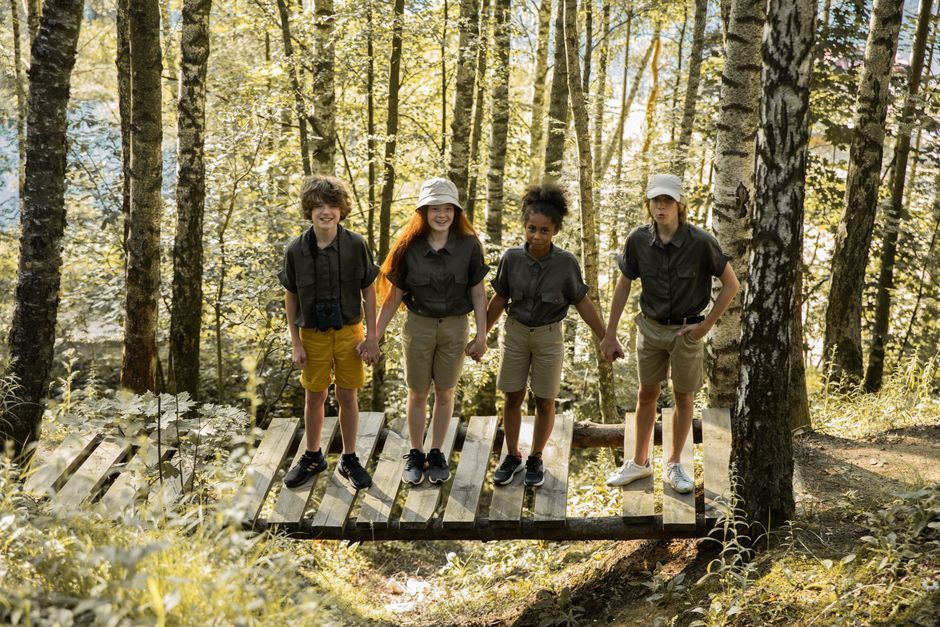
Summer camps are not just a place for kids to spend their time while school is out; they provide numerous benefits that contribute to a child’s overall development. First and foremost, camps foster social skills. Children have the opportunity to interact with peers from diverse backgrounds, helping them learn cooperation, teamwork, and conflict resolution.
Moreover, summer camps encourage physical activity. Many camps include outdoor activities such as hiking, swimming, and sports, promoting a healthy lifestyle. This physical engagement is crucial for elementary school students, as it helps combat the rising trend of childhood obesity.
In addition to social and physical benefits, summer camps also enhance cognitive development. Many programs focus on arts, sciences, and crafts, stimulating creativity and critical thinking. For instance, a camp that includes science experiments can ignite a passion for learning that extends beyond the summer months.
Types of Summer Camps
When it comes to summer camps, there is a broad spectrum of options available, catering to various interests and needs. Day camps are among the most common, where children attend daily but return home in the evening. These camps often offer a mix of activities, from sports to arts and crafts.
Another popular type is overnight camps, which provide a more immersive experience. Children stay at the camp for several days or weeks, allowing them to build deeper connections with peers and engage in more extensive activities. This type of camp can help foster independence and resilience in young children.
Specialty camps focus on specific interests, such as sports, arts, music, or science. These camps often attract children who are passionate about a particular subject, providing them with an opportunity to deepen their skills. For example, a child interested in drama may thrive in a performing arts camp, where they can learn from professionals and participate in productions.
Choosing the Right Summer Camp
Selecting the right summer camp for your child can be a daunting task, given the multitude of options available. Firstly, it’s essential to consider your child’s interests and personality. Some children may thrive in a structured environment, while others may prefer a more relaxed setting.
Next, evaluate the camp’s safety and staff qualifications. Ensure that the camp follows proper safety protocols and that staff members are well-trained in child care and emergency procedures. Reading reviews and testimonials from other parents can provide valuable insights into the camp’s reputation.
Lastly, consider the camp’s location and cost. While some families may prefer camps close to home, others may be open to exploring camps further away, especially if they offer unique opportunities. Budgeting for summer camp expenses is also crucial, as costs can vary widely based on the type of camp and its duration.
Preparing Your Child for Camp
Once you have chosen the perfect summer camp, it’s important to prepare your child for the experience. Start by discussing what they can expect at camp, including daily activities, new friends, and the overall environment. This conversation can help alleviate any fears or anxieties they may have.
Involve your child in the packing process by letting them choose their favorite items to bring along, such as clothes, toys, or books. This can help them feel more in control and excited about their upcoming adventure.
Lastly, remind your child to keep an open mind and be friendly. Summer camp is an excellent opportunity to meet new people and try new things, so encourage them to step out of their comfort zone.
Conclusion
Summer camps offer a rich blend of fun, learning, and personal growth for elementary school students. With the right camp, children can develop social skills, engage in physical activities, and explore new interests in a safe and supportive environment. By understanding the various types of camps available and carefully selecting one that aligns with your child’s needs and interests, you can ensure a memorable and enriching summer experience. For more information on summer camps, consider checking out サマーキャンプ 小学生 options that cater specifically to young learners.