
The fashion industry has seen a significant shift towards customization and personalization in recent years. As consumers increasingly seek unique pieces that reflect their personal style, the demand for custom clothing manufacturers has surged. This article explores the ins and outs of custom clothing manufacturing, covering everything from the benefits to the process and key players in the industry.
Understanding Custom Clothing Manufacturing
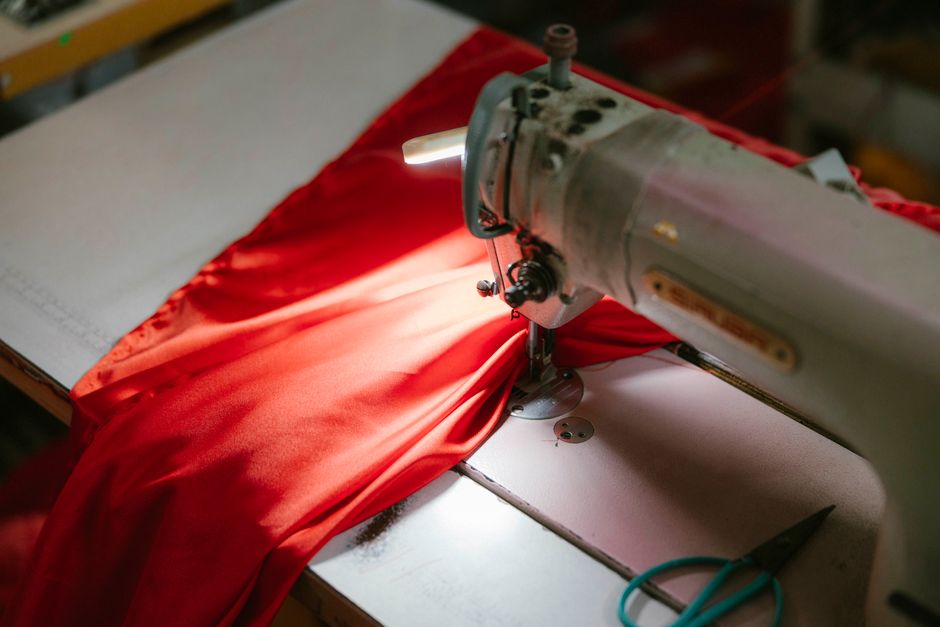
Custom clothing manufacturing refers to the process of creating garments tailored to specific customer preferences. Unlike mass-produced clothing, which often adheres to standard sizes and styles, custom clothing allows for greater creativity and individuality. This business model caters to a wide range of clients, from individual consumers to large retail brands looking to offer customized products.
One of the primary advantages of working with a custom clothing manufacturer is the ability to control design elements such as fabric choice, cut, and fit. For instance, a small business owner may collaborate with a manufacturer to create a limited line of clothing that represents their brand identity. This level of customization can foster brand loyalty and enhance the customer experience.
The Process of Custom Clothing Manufacturing
The journey of custom clothing manufacturing typically begins with a client’s concept or design. This initial stage often involves sketches or digital designs, which are then transformed into prototypes. Manufacturers use a variety of techniques to bring these ideas to life, including digital printing, embroidery, and fabric manipulation.
Once the prototype is approved, the next step is production. Here, manufacturers utilize advanced technologies and skilled labor to produce the garments in larger quantities. For example, a custom clothing manufacturer might implement an on-demand production model, where items are made only after an order is placed, minimizing waste and excess inventory.
Quality control is a crucial aspect of this process. Manufacturers must ensure that each piece meets the client’s specifications and maintains high standards. This can involve rigorous testing for durability, fit, and overall aesthetic appeal.
Benefits of Custom Clothing Manufacturing
There are numerous benefits associated with custom clothing manufacturing. Firstly, it allows for a unique product offering, setting brands apart in a competitive market. Customization can also lead to higher profit margins, as consumers are often willing to pay a premium for personalized items.
Additionally, custom clothing manufacturing can be more sustainable than traditional methods. By producing items on demand or in limited runs, manufacturers can reduce waste and overproduction. According to a study by the Fashion Institute of Technology, the fashion industry contributes significantly to global waste, making sustainable practices increasingly vital.
Moreover, custom clothing manufacturers often foster closer relationships with their clients. This collaboration can result in innovative designs and a deeper understanding of consumer preferences, ultimately leading to more successful products.
Challenges in the Custom Clothing Manufacturing Sector
Despite its advantages, custom clothing manufacturing also faces several challenges. One of the primary issues is the higher production cost associated with low-volume orders. Unlike mass production, which benefits from economies of scale, custom manufacturing often requires a more significant investment per piece.
Another challenge is the time required for production. Custom items typically take longer to produce than standard garments, which can be a drawback for businesses that prioritize quick turnaround times. Clients must be prepared for longer lead times, especially when designing intricate pieces.
Furthermore, finding a reliable custom clothing manufacturer can be daunting. With numerous options available, it is essential for businesses to conduct thorough research and vet potential partners to ensure quality and consistency. An ideal partner will not only possess the necessary technical skills but also align with the brand’s values and vision.
Choosing the Right Custom Clothing Manufacturer
When selecting a custom clothing manufacturer, there are several key factors to consider. First, assess their portfolio and past work. This can provide insight into their capabilities and style, helping you determine if they are a good fit for your project.
Second, consider the manufacturer’s production capacity and lead times. It is crucial to ensure they can meet your demands without compromising quality. Additionally, communication is vital in this partnership; a manufacturer who is responsive and open to feedback can significantly enhance the development process.
Lastly, evaluate their sustainability practices. As consumers become more environmentally conscious, partnering with a manufacturer who prioritizes sustainable practices can enhance your brand’s reputation and appeal to a broader audience.
Conclusion
Custom clothing manufacturing presents a unique opportunity for brands and individuals to express their creativity and stand out in a crowded market. By understanding the process, benefits, and challenges involved, businesses can make informed decisions when partnering with a custom clothing manufacturer. As the demand for personalized fashion continues to grow, embracing customization may very well be the key to future success in the fashion industry. For those looking to explore this avenue, working with a reliable custom clothing manufacturer can be the first step towards realizing their vision.