
In the realm of construction and building design, the role of MEP (Mechanical, Electrical, and Plumbing) engineering companies cannot be overstated. These firms are pivotal in ensuring that buildings are not only functional but also efficient and sustainable. As urban environments become increasingly complex, the demand for specialized MEP services has surged, making it essential for stakeholders to understand the significance of these engineering firms.
Understanding MEP Engineering
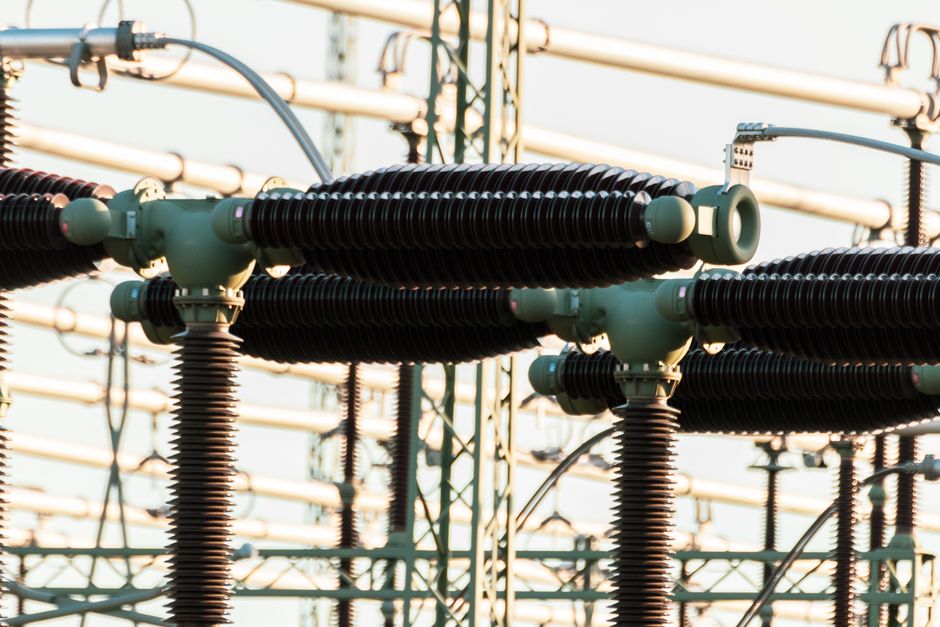
MEP engineering encompasses a wide range of services that directly impact the comfort, safety, and efficiency of buildings. Mechanical engineering involves the design of heating, ventilation, and air conditioning (HVAC) systems, which are critical for maintaining indoor air quality and comfort. Electrical engineering focuses on the design and implementation of electrical systems, including lighting, power distribution, and emergency systems. Plumbing engineering addresses water supply, drainage, and sewage systems, ensuring that buildings have the necessary infrastructure for sanitation and comfort.
Each of these components plays a crucial role in the overall functionality of a building. For instance, a well-designed HVAC system can significantly reduce energy costs while providing optimal comfort for occupants. Similarly, efficient plumbing and electrical systems can prevent costly repairs and ensure safety within the building. Understanding these elements is vital for anyone involved in construction projects, from architects to contractors.
The Role of MEP Engineering Companies
MEP engineering companies serve as the backbone of any construction project. They collaborate closely with architects and builders to create integrated designs that meet the specific needs of a project. Their expertise allows for the optimization of resources, ensuring that systems are designed with sustainability in mind. For example, many companies now incorporate energy-efficient technologies and renewable energy sources into their designs, reflecting a growing trend towards sustainable construction.
Moreover, MEP engineering companies are responsible for conducting detailed calculations and simulations to predict how systems will perform once implemented. This proactive approach helps identify potential issues early in the design process, ultimately saving time and resources. For instance, using advanced modeling software, MEP engineers can simulate airflow within a building to optimize HVAC system placement, ensuring maximum efficiency.
Challenges Faced by MEP Engineering Firms
Despite their importance, MEP engineering companies face numerous challenges in today’s construction landscape. One significant issue is the rapid pace of technological advancement. As new technologies emerge, MEP engineers must continually update their skills and knowledge to stay competitive. Additionally, the integration of smart building technologies poses both opportunities and challenges, requiring MEP firms to adapt their designs to incorporate these systems effectively.
Another challenge is the increasing demand for collaboration among various stakeholders in a construction project. As projects become more complex, MEP engineers must work closely with other disciplines to ensure cohesive designs. This necessitates clear communication and coordination, which can be difficult in large projects with multiple parties involved.
The Future of MEP Engineering
Looking ahead, the future of MEP engineering companies appears promising yet complex. With the growing emphasis on sustainability and energy efficiency, these firms will play a pivotal role in shaping the buildings of tomorrow. For instance, the integration of Building Information Modeling (BIM) technology is revolutionizing the way MEP engineers design and implement systems. BIM allows for a collaborative approach to design, enabling all stakeholders to visualize and interact with a project in real time.
Moreover, as cities continue to grow and evolve, the demand for innovative MEP solutions will only increase. Companies that embrace new technologies and sustainable practices will be well-positioned to thrive in this dynamic environment. For example, companies that specialize in renewable energy systems or smart building technologies will likely see increased demand as more clients prioritize sustainability.
Conclusion
In conclusion, MEP engineering companies are essential players in the construction industry, providing vital services that enhance the functionality and sustainability of buildings. As the industry evolves, these firms must adapt to new challenges and leverage advancements in technology to remain competitive. By understanding the significance of MEP engineering, stakeholders can make informed decisions that lead to more efficient and sustainable construction practices. For those seeking expertise in this field, partnering with a reputable MEP engineering company is a critical step towards ensuring project success.