
In recent years, the luxury resale market has witnessed remarkable growth, driven by changing consumer behaviors and the rise of e-commerce platforms. As more individuals seek sustainable and affordable ways to own high-end products, the role of luxury brand resellers has become increasingly significant. This article explores the dynamics of the luxury resale market, the benefits of purchasing from resellers, and the challenges these businesses face in a competitive landscape.
Understanding the Luxury Resale Market
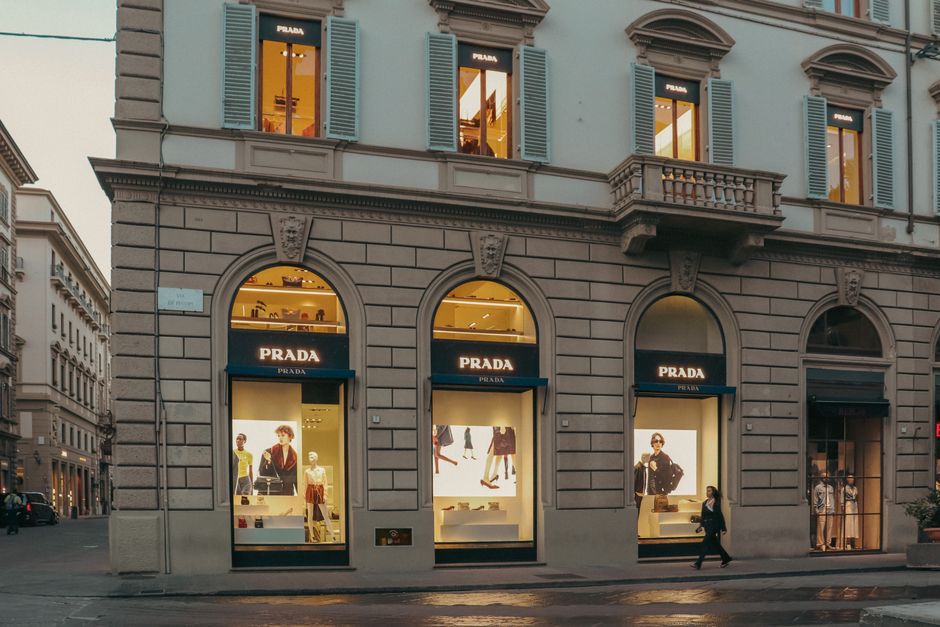
The luxury resale market is defined by the buying and selling of pre-owned luxury items, including fashion, accessories, and watches. According to a report by Bain & Company, the global resale market is projected to grow to $64 billion by 2024, outpacing traditional retail growth. This surge is attributed to various factors, including the demand for sustainability, the increasing popularity of vintage fashion, and the convenience offered by online platforms.
Furthermore, the demographic of luxury consumers is shifting. Millennials and Gen Z are more inclined to shop for second-hand luxury goods, viewing them as a way to express individuality while being environmentally conscious. This change in perspective is reshaping the luxury market, compelling brands and resellers to adapt their strategies.
As a result, the role of a luxury brand reseller has evolved, creating a bridge between consumers seeking affordable luxury and the brands that often have limited availability of their new collections.
The Benefits of Buying from Luxury Resellers
Purchasing from luxury brand resellers offers multiple advantages for consumers. First and foremost, the price point is significantly lower than buying new. Consumers can save anywhere from 30% to 70% off retail prices when buying pre-owned items. This cost-effectiveness allows consumers to invest in high-quality products that may have been previously out of their budget.
Moreover, luxury resellers often offer curated selections that include rare and hard-to-find items. For instance, a limited-edition handbag from a prestigious fashion house may be available through a reseller long after it has sold out in retail stores. This unique inventory attracts collectors and fashion enthusiasts alike.
Additionally, buying second-hand contributes to a more sustainable fashion industry. Resellers are promoting a circular economy, where products are reused rather than discarded, thereby reducing waste. This aligns with the values of many consumers who are increasingly prioritizing sustainability in their purchasing decisions.
Challenges Faced by Luxury Brand Resellers
Despite the growth potential, luxury brand resellers also encounter several challenges. One major issue is authenticity. The luxury market is rife with counterfeit products, and resellers must implement rigorous authentication processes to ensure the items they sell are genuine. This often requires specialized knowledge and resources, which may not be readily available to all resellers.
Furthermore, competition in the luxury resale market is fierce. Established players like The RealReal and Vestiaire Collective dominate the market, making it difficult for smaller resellers to gain traction. New entrants must find innovative ways to differentiate themselves, whether through unique product offerings, exceptional customer service, or targeted marketing strategies.
Lastly, as the market continues to evolve, luxury brands themselves are becoming more involved in the resale space. Some brands have launched their own resale platforms, posing a direct challenge to independent resellers. This trend raises questions about the future of third-party luxury resellers and how they will adapt to this new landscape.
Future Trends in Luxury Reselling
The future of luxury brand reselling appears promising, with several trends likely to shape the industry. Firstly, technology will play a crucial role. The use of artificial intelligence and machine learning can enhance authentication processes, streamline inventory management, and improve customer experience on e-commerce platforms.
Additionally, the integration of social media into the resale process is on the rise. Platforms like Instagram and TikTok are becoming vital for marketing and selling luxury items, allowing resellers to reach wider audiences and engage with potential buyers directly.
Furthermore, partnerships between luxury brands and resale platforms may become more common. By collaborating, both parties can benefit from increased visibility and sales, while also catering to the growing consumer demand for sustainable practices.
Conclusion
In conclusion, the luxury brand reseller market is rapidly evolving, driven by changing consumer preferences and the increasing importance of sustainability. While challenges such as authenticity and competition remain, the future looks bright for those willing to innovate and adapt. As consumers continue to seek out affordable luxury options, resellers will play a crucial role in shaping the landscape of the luxury market.