
The luxury goods market has witnessed a significant transformation in recent years, driven by changing consumer behaviors and the rise of digital platforms. One of the most notable trends in this evolution is the emergence of luxury brand resellers. These businesses not only provide consumers with access to high-end products at more competitive prices, but they also play a crucial role in promoting sustainability within the fashion industry.
The Concept of Luxury Brand Reselling
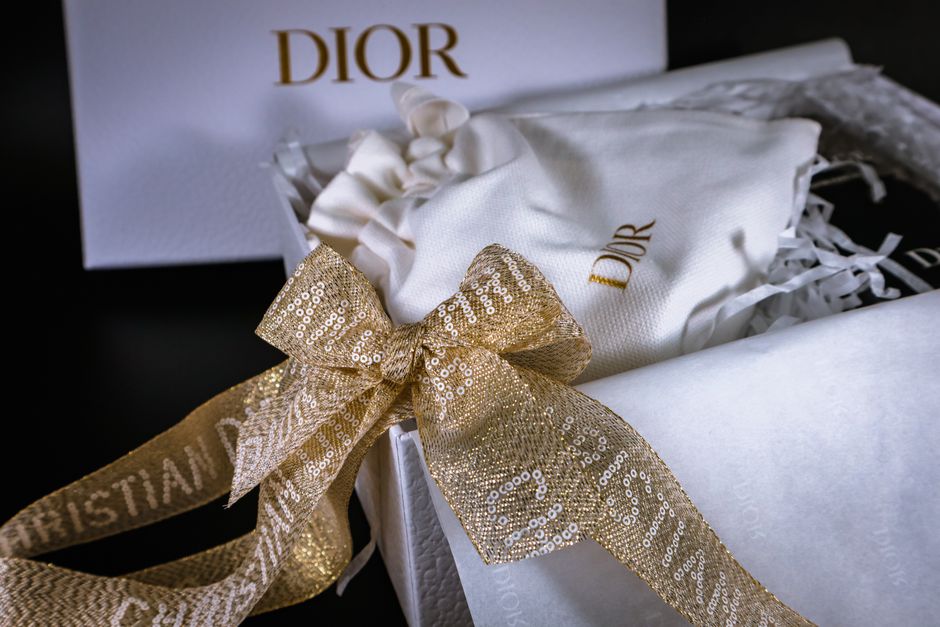
Luxury brand reselling refers to the practice of buying and selling pre-owned luxury items, such as designer handbags, shoes, and clothing. This market segment has grown rapidly, fueled by an increasing demand for affordable luxury and the desire for unique fashion pieces. Resellers often curate collections of authentic items, ensuring that consumers receive quality products without the hefty price tag associated with new luxury goods.
According to a report by Bain & Company, the global market for second-hand luxury goods is projected to reach $64 billion by 2025. This growth is attributed to various factors, including the rise of e-commerce platforms and a growing consumer awareness of sustainability. More individuals are now willing to invest in pre-owned luxury items, viewing them as both a fashionable choice and an environmentally friendly option.
The Role of E-commerce in Luxury Reselling
E-commerce has revolutionized the way luxury brand resellers operate. Online platforms allow resellers to reach a broader audience, showcasing their inventory to potential buyers worldwide. Websites that specialize in luxury resale often feature user-friendly interfaces that make it easy for customers to browse, compare prices, and authenticate products.
For instance, platforms like The RealReal and Vestiaire Collective have successfully carved out niches in the luxury resale market. They employ rigorous authentication processes to verify the authenticity of items, thus building consumer trust. This is essential in the luxury sector, where counterfeiting is a significant concern. By offering a guarantee of authenticity, these platforms can attract a loyal customer base willing to pay for quality.
Sustainability and the Luxury Resale Market
As consumers become more environmentally conscious, the sustainability aspect of luxury brand reselling cannot be overlooked. The fashion industry is one of the largest polluters globally, and the rise of fast fashion has exacerbated this issue. In contrast, luxury resale offers a more sustainable alternative by extending the lifecycle of products and reducing waste.
According to a survey by ThredUp, 70% of women reported that they would consider buying second-hand clothing as a way to reduce their environmental impact. This shift in mindset indicates a growing acceptance of pre-owned goods as a legitimate and stylish option. Furthermore, luxury brand resellers often advocate for sustainable fashion practices, encouraging consumers to think critically about their purchasing choices.
Challenges Faced by Luxury Brand Resellers
Despite the promising growth of the luxury resale market, resellers face several challenges. One of the most significant hurdles is the issue of counterfeit products. Ensuring the authenticity of luxury items is paramount, as consumers are increasingly wary of fraud. Resellers must invest in expert authentication methods and build a reputation for reliability to thrive in this competitive landscape.
Additionally, maintaining a steady inventory can be challenging for resellers. Sourcing authentic luxury items requires a keen eye and strong relationships with suppliers. Without a consistent flow of quality products, resellers may struggle to meet consumer demand. This emphasizes the importance of building a strong network in the luxury resale industry.
The Future of Luxury Brand Reselling
The future of luxury brand reselling looks bright, with continued growth expected in the coming years. As more consumers embrace the concept of second-hand shopping and sustainability becomes a priority, resellers are well-positioned to capitalize on these trends. The integration of technology, such as AI for authentication and personalized shopping experiences, will further enhance the efficiency of luxury reselling platforms.
Moreover, collaboration between luxury brands and resellers could pave the way for innovative business models. Some luxury brands are already exploring resale initiatives, allowing them to tap into the lucrative second-hand market while maintaining control over their brand image.
In conclusion, the rise of luxury brand resellers represents a significant shift in consumer behavior and the fashion industry. By providing affordable access to high-end goods and promoting sustainability, these resellers are reshaping the landscape of luxury shopping. As the market continues to evolve, those who adapt to the changing dynamics will undoubtedly thrive in the future.