
In today’s fast-paced digital world, the importance of visual representation cannot be overstated. Businesses and creators alike rely on the power of 3D rendering services to bring their ideas to life, facilitating better communication and understanding of concepts. Whether it’s for architectural designs, product visualizations, or marketing materials, the application of 3D rendering is vast and varied. This article explores the fundamentals of 3D rendering services, their benefits, and how they can elevate your projects.
Understanding 3D Rendering
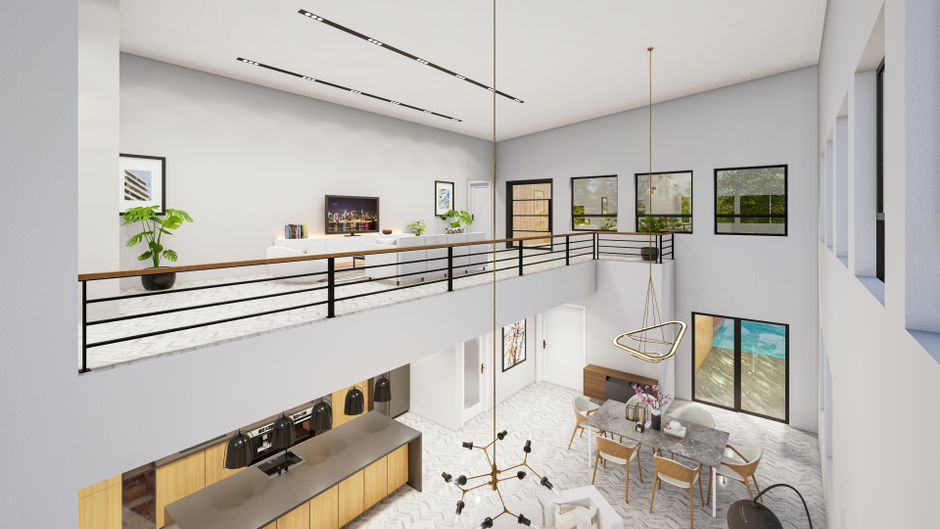
3D rendering is the process of creating a two-dimensional image from a three-dimensional model using computer software. This technology has evolved significantly over the years, allowing for more realistic and detailed representations of objects and environments. The process involves several stages, including modeling, texturing, lighting, and rendering, each crucial for achieving a lifelike final product.
At its core, 3D rendering encompasses various techniques, including ray tracing, rasterization, and scanline rendering. These methods differ in how they simulate light and shadow, impacting the realism and quality of the final output. As technology progresses, rendering engines have become more sophisticated, providing users with tools to create stunning visuals that were once thought impossible.
The Benefits of 3D Rendering Services
One of the most significant advantages of utilizing 3D rendering services is the ability to visualize concepts before they are brought to life. For architects, this means presenting clients with a realistic view of a building’s design, allowing for feedback and adjustments before construction begins. This not only saves time and resources but also enhances client satisfaction.
Similarly, in product design, 3D rendering allows businesses to showcase their products in various colors, materials, and settings. This capability can be particularly beneficial for e-commerce platforms, where customers cannot physically interact with products before purchase. By providing high-quality 3D renderings, businesses can significantly increase their conversion rates.
Applications Across Industries
The applications of 3D rendering services extend across numerous industries, making them a versatile tool for various professionals. In the architecture and construction sectors, 3D renderings help visualize projects from early concept stages to final execution. This can include everything from residential homes to large-scale commercial buildings.
In the realm of entertainment, 3D rendering plays a crucial role in the production of films and video games. Characters and environments are meticulously crafted and rendered to create immersive experiences for audiences. The gaming industry, in particular, has seen a surge in demand for high-quality graphics, pushing the limits of 3D rendering technologies.
Choosing the Right 3D Rendering Service
When selecting a 3D rendering service, it is essential to consider factors such as the provider’s portfolio, expertise, and technology used. A comprehensive portfolio can provide insight into the quality and style of work you can expect. Additionally, understanding the software and tools used by the service can help gauge their capabilities.
Another critical aspect to consider is the communication process. A good 3D rendering service should facilitate a collaborative environment, allowing for input and feedback throughout the project. This ensures that the final product aligns with your vision and meets your expectations.
For those looking to enhance their visual presentations, exploring options for a reliable 3D rendering service can be a game-changer. Investing in professional rendering can significantly elevate your projects and help convey your ideas more effectively.
Future Trends in 3D Rendering
The future of 3D rendering looks promising, with advancements in artificial intelligence and virtual reality set to revolutionize the industry. AI-driven tools are streamlining the rendering process, allowing for quicker turnaround times and enhanced creativity. Furthermore, the integration of virtual reality enables users to experience designs in an interactive environment, providing a new dimension to visualizations.
As these technologies continue to evolve, the demand for high-quality 3D renderings will likely increase. Professionals across various fields must stay ahead of the curve, embracing new tools and techniques to remain competitive in their respective markets.
Conclusion
In conclusion, 3D rendering services have transformed the way we visualize and communicate ideas. From architecture to product design and entertainment, the implications of this technology are vast and impactful. By investing in professional rendering services, businesses and creators can enhance their projects, resulting in improved client satisfaction and higher conversion rates. As the industry continues to evolve, staying informed about the latest trends and advancements will be essential for maximizing the benefits of 3D rendering.