
The interior design of a restaurant plays a crucial role in shaping the overall dining experience. From the color palette to the furniture layout, every detail contributes to the ambiance and can significantly influence customer satisfaction. In a competitive market, understanding the principles of effective restaurant interior design is essential for attracting and retaining patrons.
The Importance of First Impressions
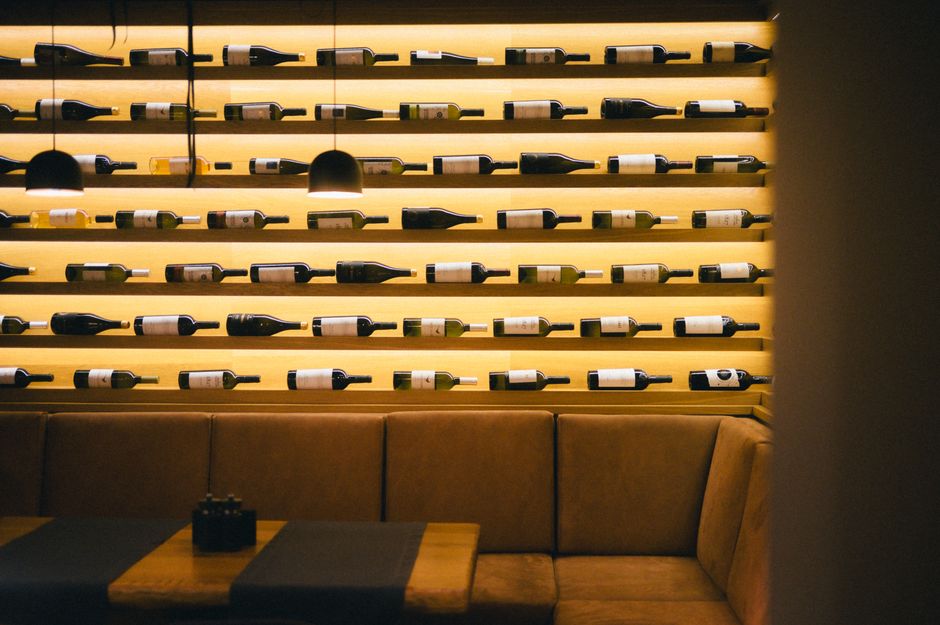
When customers walk into a restaurant, the first thing they notice is the interior design. Research shows that 70% of diners decide whether they like a restaurant based on its atmosphere alone. Therefore, creating a welcoming and aesthetically pleasing environment is paramount. Elements such as lighting, decor, and furniture should align with the restaurant’s theme and target demographic.
For example, a fine dining establishment may opt for dim lighting and elegant furnishings to create an intimate atmosphere, while a casual eatery might use bright colors and open spaces to convey a lively and friendly vibe. The goal is to make customers feel comfortable and excited to dine at the establishment.
Color Psychology in Restaurant Design
Color plays a vital role in influencing mood and behavior. Different colors evoke different emotions, which can affect how long customers stay and how much they spend. Warm colors like red and orange are known to stimulate appetite, making them popular choices for dining spaces. In contrast, cooler colors such as blue can suppress appetite, so they are less commonly used in restaurant settings.
Moreover, the right color scheme can enhance the brand identity of a restaurant. For instance, a health-conscious cafe might use greens and earthy tones to reflect its commitment to natural ingredients. By carefully selecting colors, restaurant owners can create a cohesive look that resonates with their brand values.
Maximizing Space and Layout
The layout of a restaurant is critical for ensuring a smooth flow of service and a pleasant dining experience. An effective design not only considers the number of seats but also how customers and staff navigate the space. For instance, a well-planned layout allows servers to move freely between tables, reducing wait times and enhancing customer satisfaction.
Additionally, the arrangement of tables can influence social interactions among diners. For example, communal tables encourage conversation and sharing, while secluded booths provide privacy for intimate dining experiences. Ultimately, the layout should align with the restaurant’s concept and target audience.
The Role of Lighting
Lighting is one of the most important aspects of restaurant interior design. It sets the mood and can dramatically change the perception of the space. A well-lit restaurant can feel inviting and warm, while poor lighting can make customers feel uncomfortable. Layering different types of lighting—ambient, task, and accent—can create a dynamic and functional environment.
For example, pendant lights over tables can provide focused light for diners, while softer ambient lighting can create a cozy atmosphere. Additionally, natural lighting through large windows can enhance the dining experience during the day, making the space feel open and airy.
Incorporating Technology
In today’s digital age, incorporating technology into restaurant interior design has become increasingly important. From online reservations to digital menus, technology can enhance the dining experience and streamline operations. For example, restaurants can utilize tablets for ordering, reducing wait times and allowing customers to customize their meals easily.
Moreover, smart lighting systems can adjust to the time of day or the ambiance needed for specific events, such as live music nights or private parties. By integrating technology thoughtfully, restaurant owners can create a modern and efficient dining environment.
Conclusion
In conclusion, restaurant interior design is an essential aspect of creating a memorable dining experience. From the colors and layout to lighting and technology, every element plays a role in shaping customer perceptions and satisfaction. By understanding the principles of effective design, restaurant owners can create inviting spaces that attract patrons and encourage them to return. For those looking to elevate their establishment’s ambiance, consulting professionals in restaurant interior design can provide valuable insights and solutions tailored to their unique vision.