
In the competitive world of dining, the interior design of a restaurant plays an essential role in attracting and retaining customers. A well-designed space not only creates a welcoming atmosphere but also enhances the dining experience, making it memorable. From color schemes to furniture selection, every detail matters. This article explores the critical aspects of restaurant interior design, providing insights and examples to help restaurateurs create the perfect ambiance.
Understanding the Importance of First Impressions
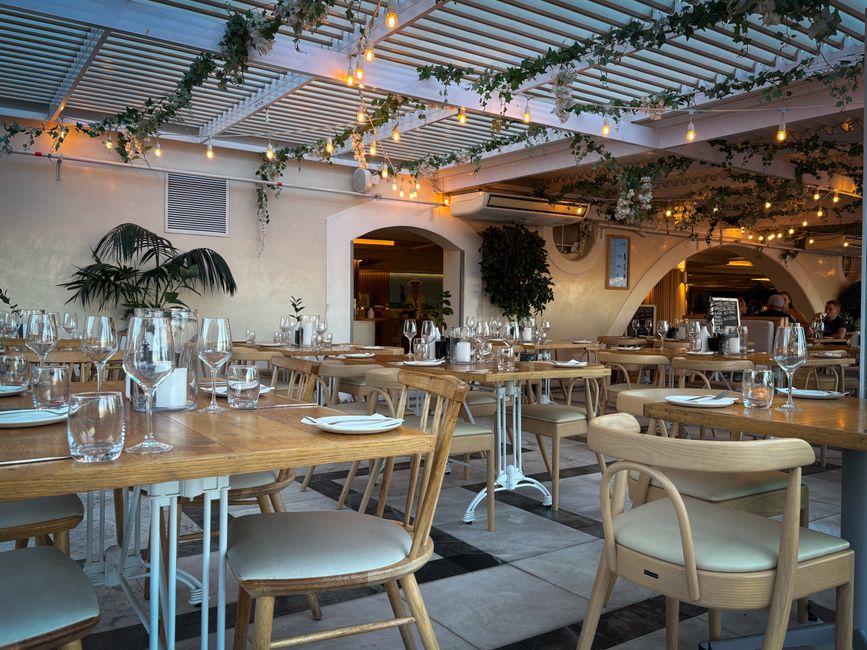
First impressions are crucial in the restaurant business. Research shows that customers often form an opinion about a restaurant within the first 10 seconds of entering. Therefore, the interior design must be compelling and aligned with the restaurant’s brand identity. Elements such as lighting, layout, and decor contribute significantly to this initial perception.
For instance, a fine dining establishment might opt for dim lighting and elegant furnishings to convey sophistication, while a casual eatery may choose bright colors and playful decor to create a lively atmosphere. These design choices not only reflect the restaurant’s theme but also set the mood for the dining experience.
Moreover, a well-thought-out layout can enhance customer flow and comfort. Ensuring that tables are spaced appropriately and that there is a clear pathway for staff can make a significant difference in how guests perceive the service quality.
The Role of Color and Lighting
Color psychology plays a vital role in restaurant interior design. Different colors evoke different emotions and can influence customers’ appetite and mood. For example, warm colors like red and orange are known to stimulate appetite, while cooler colors such as blue can suppress it.
Lighting is equally important. Natural light can create a welcoming atmosphere during the day, while warm, ambient lighting can enhance intimacy during evening hours. Incorporating a mix of lighting sources, such as pendant lights, candles, and wall sconces, can help create a dynamic and inviting environment.
In addition, focal lighting can highlight specific areas, such as artwork or food displays, adding to the overall aesthetic appeal. For instance, a restaurant might use spotlights to draw attention to a beautifully plated dish or a unique piece of decor.
Choosing the Right Furniture and Decor
Furniture selection is a critical aspect of restaurant interior design. The right pieces not only need to be aesthetically pleasing but also functional and comfortable. For example, a high-end restaurant might choose upholstered chairs with elegant designs, while a fast-casual spot might opt for simple, durable seating that can withstand heavy use.
Additionally, decor elements such as artwork, plants, and wall textures can significantly impact the overall ambiance. Incorporating local artists’ works or themed decor can create a sense of place and enhance the dining experience. For instance, a seafood restaurant might feature marine-themed artwork and decor to reinforce its concept.
It’s also essential to consider the maintenance of furniture and decor. Choosing durable materials that are easy to clean can help maintain the restaurant’s appearance over time, ensuring a consistently positive impression on customers.
Incorporating Technology in Design
Modern restaurant interior design increasingly incorporates technology to enhance customer experience. From digital menus to smart lighting systems, technology can streamline operations and improve the ambiance. For example, tablets at tables can offer customers interactive menus and allow them to place orders directly, reducing wait times and enhancing convenience.
Moreover, sound systems can be integrated to control the ambiance through music. The right playlist can elevate the dining experience, making it more enjoyable and memorable for guests. Similarly, using technology to adjust lighting based on the time of day can create a dynamic atmosphere that evolves throughout the dining experience.
Another innovative approach is the use of virtual reality (VR) in the design process. VR can help restaurant owners visualize their space before any physical changes are made, allowing for better planning and execution of the design.
Case Studies of Successful Restaurant Designs
Examining successful restaurant designs can provide valuable insights into effective interior design strategies. For instance, the popular chain ‘The Cheesecake Factory’ is renowned for its eclectic decor that blends various styles, creating an inviting and unique dining experience. Their use of bold colors, intricate details, and comfortable seating has proven to be a winning formula.
Another example is the upscale restaurant ‘Nobu’, which combines minimalist design with luxurious materials. The use of natural elements, such as wood and stone, along with low lighting, creates a serene atmosphere that aligns perfectly with the restaurant’s high-end culinary offerings.
These case studies highlight the importance of aligning interior design with brand identity and customer expectations. By studying successful designs, new restaurateurs can gain inspiration and practical ideas to implement in their own spaces.
Conclusion
In conclusion, restaurant interior design is a multifaceted discipline that significantly impacts customer experience and business success. By understanding the importance of first impressions, utilizing color and lighting effectively, selecting appropriate furniture, incorporating technology, and learning from successful case studies, restaurateurs can create spaces that not only attract customers but also encourage them to return. Investing time and resources into thoughtful design can yield substantial dividends in the competitive dining landscape, making it essential for any restaurant owner to prioritize their interior design strategy. For those looking to delve deeper into restaurant interior design, numerous resources and professionals are available to guide the journey toward creating the perfect dining environment.