
In today’s world, plastic waste has become a significant environmental issue. With the increasing amount of plastic produced and consumed, recycling has never been more crucial. Plastic recycling companies play a vital role in mitigating the impact of plastic pollution by converting waste into reusable materials. This article explores the functions, challenges, and innovations of plastic recycling companies, shedding light on their importance in creating a sustainable future.
Understanding Plastic Recycling
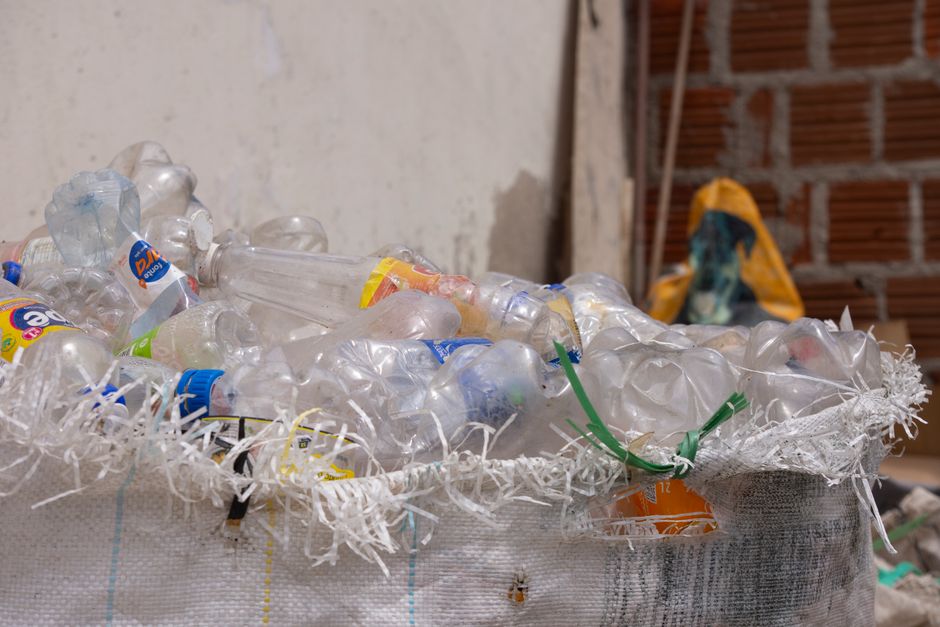
Plastic recycling involves the process of recovering scrap or waste plastic and reprocessing it into useful products. This process not only helps reduce plastic waste in landfills but also conserves natural resources and energy. According to the Environmental Protection Agency (EPA), recycling just one ton of plastic can save approximately 7.4 cubic yards of landfill space. Moreover, it can significantly decrease greenhouse gas emissions associated with the production of new plastic materials.
Plastic recycling companies typically engage in several steps to process plastic waste. First, they collect and sort plastics based on their type and color. Then, the plastics are cleaned and shredded into smaller pieces, which are subsequently melted down to form new plastic pellets. These pellets can then be used to manufacture a variety of products, ranging from containers to clothing.
The Role of Plastic Recycling Companies
Plastic recycling companies serve multiple functions in the waste management ecosystem. They not only help in waste reduction but also contribute to the economy by creating jobs and supporting local communities. It is estimated that the recycling sector generates over 1.1 million jobs in the United States alone, highlighting its economic significance.
Additionally, these companies often engage in educational initiatives to raise awareness about recycling practices. Many plastic recycling companies offer community programs that encourage residents to recycle properly and understand the importance of reducing plastic waste. By fostering a culture of sustainability, these companies can help shift public perception and behavior towards plastic use.
Challenges Faced by Plastic Recycling Companies
Despite their crucial role, plastic recycling companies face several challenges that hinder their effectiveness. One of the primary issues is the contamination of recyclable materials. When non-recyclable items are mixed with plastic waste, it complicates the recycling process and often leads to entire batches being sent to landfills.
Moreover, fluctuating market prices for recycled materials can create financial instability for these companies. When the demand for recycled plastics decreases, prices drop, making it difficult for recycling companies to operate profitably. This volatility can discourage investment in recycling infrastructure and technology, further complicating efforts to increase recycling rates.
Innovations in Plastic Recycling
To overcome these challenges, many plastic recycling companies are adopting innovative technologies and practices. Advanced sorting technologies, such as AI and machine learning, are being implemented to improve the efficiency of sorting recyclable materials. This technology can significantly reduce contamination rates and ensure that more plastic waste is processed correctly.
Furthermore, some companies are exploring new methods of recycling, such as chemical recycling, which breaks down plastics into their original monomers. This process allows for the recycling of plastics that are typically hard to recycle, thus expanding the range of materials that can be diverted from landfills. By embracing these innovations, plastic recycling companies can enhance their operational efficiency and environmental impact.
Conclusion: The Path Forward for Plastic Recycling
Plastic recycling companies are indispensable in the fight against plastic pollution. By improving recycling rates and reducing waste, they contribute significantly to environmental sustainability. However, addressing the challenges they face will require collaboration among policymakers, businesses, and the community.
As individuals, we can support these companies by making conscious decisions about our plastic use and actively participating in recycling programs. Ultimately, the success of plastic recycling companies is not only beneficial for the environment but also essential for building a sustainable future for generations to come. If you’re looking to learn more about how to get involved with a plastic recycling company, consider reaching out to local organizations and initiatives that focus on recycling and waste management.