
Aerial drone photography has revolutionized the way we capture landscapes, events, and even architectural marvels. With the ability to reach heights and angles previously unattainable, drones provide a unique perspective that has transformed both amateur and professional photography. This article delves into the intricacies of aerial drone photography, discussing its benefits, techniques, and various applications.
The Rise of Aerial Drone Photography
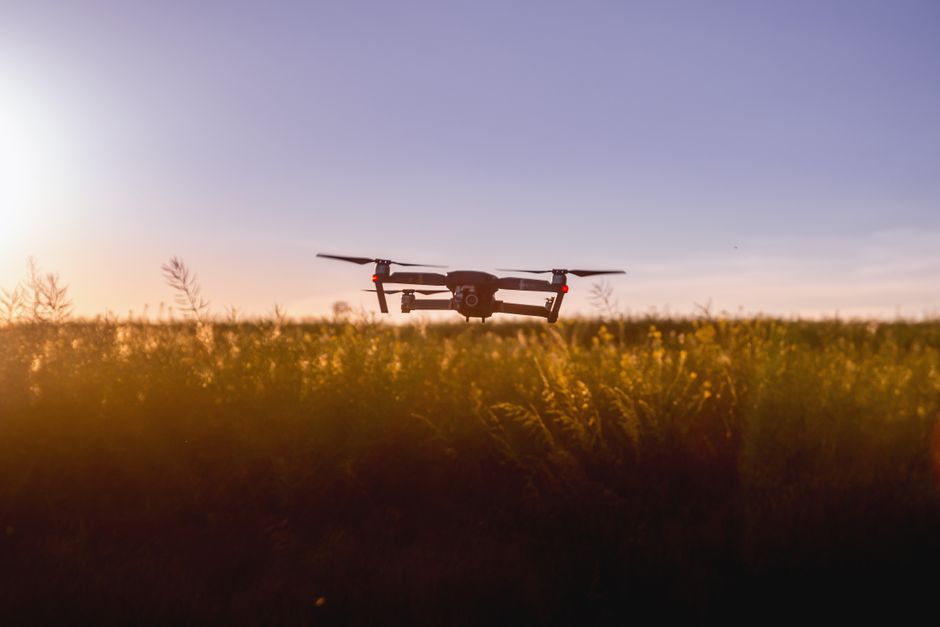
The advent of drone technology has made aerial photography accessible to a broader audience. In the past, capturing images from above was a luxury reserved for those with access to helicopters or planes. However, today, affordable drones equipped with high-quality cameras allow anyone to take stunning aerial shots. According to a recent industry report, the global drone market is expected to grow significantly, with aerial photography being one of the primary driving forces behind this expansion.
Moreover, the proliferation of social media platforms has further fueled interest in aerial photography. Platforms like Instagram and Facebook encourage users to share breathtaking images, leading to increased demand for content that stands out. As a result, aerial drone photography has become a popular choice for both personal and commercial projects.
Essential Equipment for Aerial Photography
To embark on your aerial photography journey, it is essential to invest in the right equipment. The primary component is, of course, the drone itself. When selecting a drone, consider factors such as camera quality, flight time, and ease of use. Many drones on the market today come with built-in GPS and stabilization features, making them user-friendly for beginners.
In addition to the drone, having a good camera is crucial. While many drones come with decent cameras, investing in a model that allows for interchangeable lenses can greatly enhance your photography capabilities. Moreover, consider accessories such as ND filters, which help manage exposure and improve image quality in bright conditions.
Finally, don’t overlook the importance of post-processing software. Editing tools like Adobe Lightroom or Photoshop can help you refine your aerial images, adjusting colors, contrast, and other elements to achieve the desired look.
Techniques for Stunning Aerial Shots
Aerial photography requires a unique set of techniques to capture the best images. One of the most critical aspects is composition. Remember the rule of thirds: imagine dividing your frame into nine equal parts with two vertical and two horizontal lines. Positioning key elements along these lines or at their intersections can create a more balanced and engaging image.
Another essential technique is to understand the impact of lighting. The golden hour, shortly after sunrise or before sunset, provides soft, diffused light that enhances the landscape’s features. Experimenting with different times of day can yield dramatically different results, allowing for creativity in your photography.
Additionally, don’t be afraid to explore various angles and altitudes. Lower altitudes can create a more intimate perspective, while higher altitudes can capture sweeping vistas. Combining different perspectives within a single project can also tell a more compelling story through your images.
Applications of Aerial Drone Photography
Aerial drone photography is not only popular among hobbyists but is also widely used across various industries. In real estate, stunning aerial shots can highlight a property’s surrounding landscape and give potential buyers a better understanding of the location. According to recent statistics, properties with aerial photography receive 68% more inquiries than those without.
In the field of agriculture, drones are utilized for crop monitoring and mapping. Farmers can assess the health of their crops and make informed decisions based on aerial data, ultimately improving yield and efficiency.
Furthermore, aerial photography plays a crucial role in construction and infrastructure projects. Drones can provide real-time updates on construction progress, allowing project managers to identify potential issues quickly. This capability can save time and resources, improving overall project management.
Challenges and Regulations in Aerial Photography
Despite its many benefits, aerial drone photography is not without challenges. One significant concern is adhering to regulations set by aviation authorities. In the United States, for example, the Federal Aviation Administration (FAA) has specific rules regarding drone operation, including altitude limits and no-fly zones. It is crucial for photographers to familiarize themselves with these regulations to avoid legal complications.
Another challenge is dealing with unpredictable weather conditions. Wind, rain, and other elements can adversely affect drone performance and image quality. As a photographer, being prepared for varying weather conditions and having a backup plan is essential.
Finally, there is the technical challenge of operating the drone itself. While many modern drones are designed for ease of use, mastering the controls takes practice. Investing time in training and understanding the equipment can lead to better results.
Conclusion
Aerial drone photography offers an exciting blend of creativity and technology, allowing photographers to capture breathtaking images from unique perspectives. As this field continues to grow, it presents numerous opportunities for those willing to invest in the right equipment and techniques. By understanding the essentials of aerial photography, including equipment selection, composition techniques, and industry applications, both amateur and professional photographers can elevate their work to new heights. For those interested in exploring this dynamic field, resources like aerial drone photography services can provide valuable insights and support.