
In recent years, the literary world has undergone a significant transformation, particularly in the realm of novel sales. As technology continues to evolve, the way readers discover, purchase, and consume novels has changed dramatically. This article delves into the current trends, challenges, and opportunities that define the novel sales landscape today.
Understanding the Current Market Trends
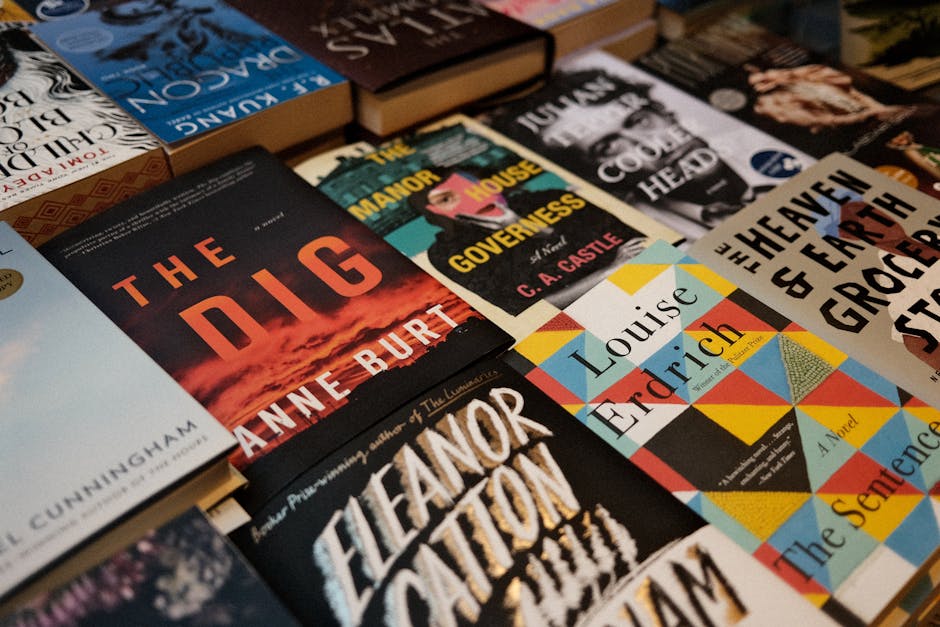
The novel market has seen a steady growth, with sales figures indicating a shift towards digital formats. According to the Association of American Publishers, eBook sales have increased by 12% over the past year, reflecting a growing preference for digital reading. This trend is not only limited to established authors; new writers are also leveraging digital platforms to reach wider audiences.
Additionally, self-publishing has gained immense popularity. Platforms such as Amazon Kindle Direct Publishing allow authors to publish their works without traditional gatekeepers, leading to a surge in indie titles. In fact, data shows that self-published novels accounted for nearly 30% of all eBook sales in 2022.
Social media also plays a crucial role in shaping consumer behavior. Bookstagram and BookTok have emerged as powerful marketing tools, enabling authors to engage directly with readers and create buzz around new releases. This grassroots marketing approach often results in significant spikes in sales, especially for debut novels.
The Impact of Genre on Sales Performance
Different genres experience varying levels of success in the market. For instance, romance and thriller genres consistently top sales charts, with readers often seeking escapism through engaging narratives. According to a report by NPD BookScan, romance novels accounted for 25% of all book sales in 2022, illustrating the genre’s enduring popularity.
On the other hand, genres like literary fiction and experimental works face more challenges in reaching mainstream audiences. However, there is a growing niche market for Dystopian fiction that has captivated readers, especially in light of recent global events. These novels often explore complex themes and resonate with societal anxieties, leading to increased interest and sales.
Understanding the nuances of genre performance is essential for authors and publishers alike. Tailoring marketing strategies to highlight genre-specific elements can significantly impact a novel’s sales trajectory.
Challenges Faced by Authors and Publishers
Despite the growth opportunities, authors and publishers face several challenges in the current landscape. One of the most pressing issues is the saturation of the market. With the rise of self-publishing, new titles flood the market daily, making it harder for individual novels to stand out. Authors must now invest time and resources into marketing and building their personal brands to gain visibility.
Another challenge is the changing landscape of reader preferences. The pandemic has shifted readers’ habits, with a noticeable decline in physical book sales in favor of digital formats. Publishers must adapt to these changes by optimizing their distribution strategies and focusing on eBook availability.
Furthermore, navigating the complexities of digital marketing can be overwhelming for many authors. Developing effective online marketing campaigns requires a solid understanding of social media algorithms, data analytics, and audience targeting, which can be daunting for those without a marketing background.
Strategies for Success in Novel Sales
To thrive in the competitive novel sales environment, authors and publishers must implement effective strategies. Firstly, utilizing social media to build a personal brand is crucial. Engaging with readers through platforms such as Instagram and TikTok can create a loyal following and foster a sense of community around a book.
Secondly, leveraging reader reviews and testimonials can enhance credibility and drive sales. Encouraging early readers to leave reviews can create a positive feedback loop, increasing visibility on platforms like Amazon and Goodreads.
Finally, authors should consider diversifying their offerings. Creating audiobook versions or serialized content can attract different segments of readers and generate additional revenue streams. By remaining adaptable and open to new formats, authors can maximize their reach and sales potential.
The Future of Novel Sales
As technology continues to evolve, the future of novel sales holds exciting possibilities. Innovations such as augmented reality (AR) and virtual reality (VR) may soon transform the reading experience, allowing readers to immerse themselves in the worlds of their favorite novels.
Moreover, the rise of subscription models, such as Kindle Unlimited, suggests a shift towards a more accessible reading culture. This model allows readers to explore diverse titles without the commitment of individual purchases, potentially increasing overall sales.
In conclusion, the landscape of novel sales is dynamic and ever-changing. By understanding current trends, navigating challenges, and implementing effective strategies, authors and publishers can thrive in this competitive market.