
In today’s world, personal appearance plays a crucial role in self-esteem and confidence. For many individuals, hair loss can lead to significant emotional distress and affect their daily lives. Fortunately, advancements in medical technology have paved the way for effective solutions, with hair transplantation emerging as a popular option. This article delves into the intricacies of hair transplants, exploring their benefits, procedures, and what one should consider before undergoing the treatment.
Understanding Hair Loss
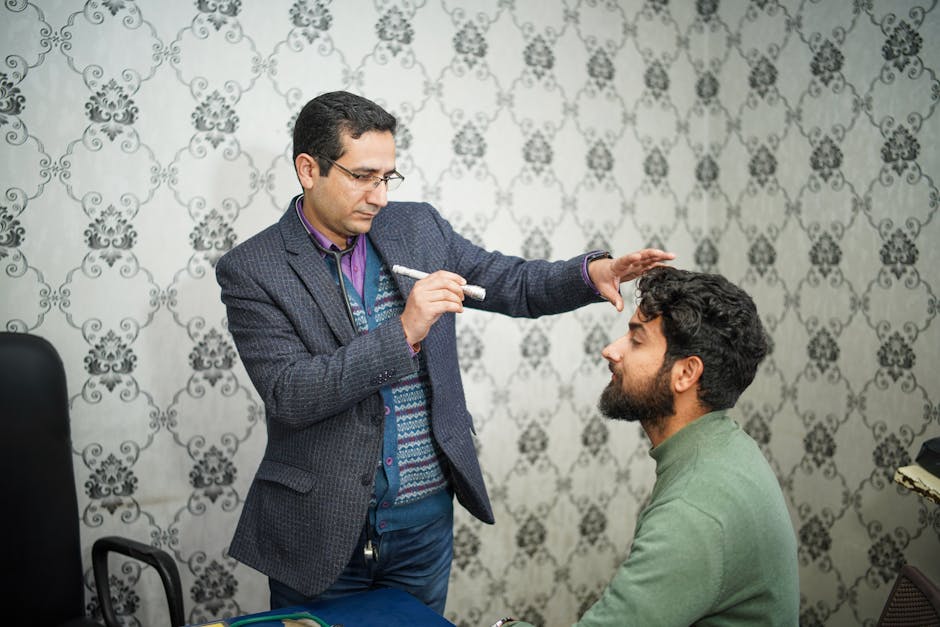
Hair loss affects millions of people worldwide, and its causes can range from genetics to environmental factors. Male pattern baldness, or androgenetic alopecia, is the most common type of hair loss in men, affecting approximately 50% by the age of 50. For women, hair thinning can occur due to hormonal changes, medical conditions, or stress. Understanding the underlying cause of hair loss is critical in determining the appropriate treatment.
Statistics indicate that over 80 million individuals in the U.S. alone suffer from hair loss, prompting a surge in interest in hair restoration procedures. As awareness grows, so does the demand for effective and permanent solutions, making hair transplants an increasingly viable option for many.
The Hair Transplant Procedure
Hair transplantation is a surgical procedure that involves moving hair follicles from a donor site, typically the back of the head, to areas experiencing baldness or thinning. There are two main techniques: Follicular Unit Transplantation (FUT) and Follicular Unit Extraction (FUE).
FUT involves removing a strip of scalp from the donor area and dissecting it into individual grafts, while FUE extracts individual follicular units directly from the scalp. Both methods have their pros and cons, with FUE being less invasive and resulting in minimal scarring. The choice between FUT and FUE largely depends on the patient’s hair loss situation and personal preference.
During the procedure, local anesthesia is administered to ensure comfort. The surgery can last anywhere from 4 to 8 hours, depending on the number of grafts needed. Post-operative care is crucial for optimal healing and hair growth.
Benefits of Hair Transplantation
The benefits of hair transplantation extend beyond mere aesthetics. A successful hair transplant can significantly enhance an individual’s confidence and self-image. Studies have shown that individuals who undergo hair restoration report higher levels of satisfaction with their appearance and overall quality of life.
Moreover, hair transplants are considered a permanent solution to hair loss. Unlike topical treatments or medications that require ongoing use, transplanted hair is typically resistant to the hormonal changes that cause baldness. Once the hair follicles have successfully established themselves in the new location, they can grow naturally and provide a full head of hair.
In recent years, many have sought hair transplant procedures in countries like Turkey, known for its high-quality care and competitive pricing. Options such as hair transplant turkey have become popular among international patients, offering excellent results at a fraction of the cost found in Western countries.
Preparing for a Hair Transplant
Before undergoing a hair transplant, it is essential to prepare adequately. This includes consulting with a qualified surgeon to discuss expectations, potential risks, and the best technique for your specific case. A thorough medical evaluation will help determine if you are a suitable candidate for the procedure.
Patients are often advised to stop smoking and avoid certain medications that could increase bleeding or interfere with healing. Additionally, following pre-operative instructions closely can lead to better outcomes and a smoother recovery process.
It’s beneficial to view hair transplantation as a long-term investment in one’s self-care. Understanding the commitment involved, including potential follow-up procedures, can set realistic expectations for the journey ahead.
Post-Operative Care and Expectations
The recovery period after a hair transplant is crucial for the success of the procedure. Patients can expect some swelling, redness, and minor discomfort in the transplant area, which typically subsides within a few days. Following the surgeon’s post-operative care instructions is vital to ensure proper healing and hair growth.
Newly transplanted hair may initially fall out within a few weeks, which is a normal part of the process known as shock loss. However, this is temporary, and new hair growth usually begins within a few months. Full results can take up to a year to fully manifest, so patience and adherence to care recommendations are essential.
Many individuals find the transformation to be incredibly rewarding, experiencing renewed confidence and satisfaction in their appearance. Sharing success stories and before-and-after photos can inspire others considering this transformative journey.
Conclusion
Hair transplantation has revolutionized how individuals combat hair loss, offering a reliable and effective solution for those seeking to restore their hair and confidence. With various techniques available and a growing number of clinics offering specialized services worldwide, it is essential to conduct thorough research and consult with professionals before making a decision. As the stigma around hair loss continues to diminish, more individuals are embracing the opportunity to reclaim their youthful appearance through hair transplantation.