
Cardiopulmonary Resuscitation (CPR) is a critical lifesaving procedure that can be performed when someone’s breathing or heartbeat has stopped. It is a skill that everyone should learn, as it can make the difference between life and death in emergencies. In this article, we will explore the importance of CPR, the steps involved in performing it correctly, and how to get trained effectively.
Why CPR is Important
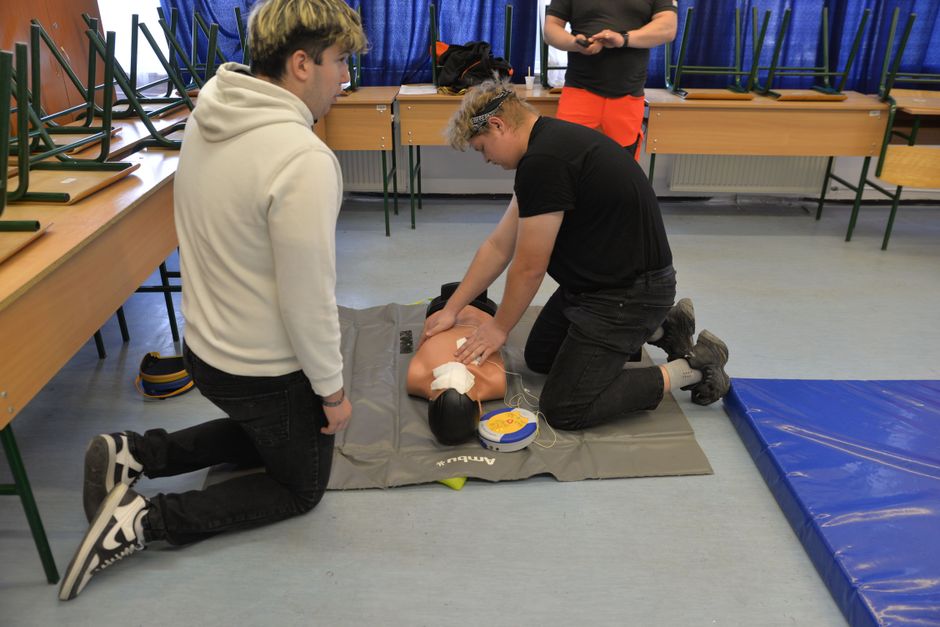
Every year, thousands of people suffer from cardiac arrest outside of hospitals, and the chances of survival decrease significantly with each passing minute. According to statistics, immediate CPR can double or even triple a victim’s chance of survival. This highlights the importance of quick action in emergency situations.
Moreover, CPR not only helps maintain blood flow to the brain and vital organs but also provides a temporary measure until professional medical help arrives. Understanding the significance of CPR is crucial, as it empowers individuals to act decisively in life-threatening situations.
In many cases, bystanders are the first to respond in emergencies. The ability to perform CPR can mean the difference between life and death, making it a vital skill for everyone, regardless of age or profession.
How to Perform CPR
Performing CPR involves a series of steps that can be broken down into compressions and breaths. It is essential to follow the correct sequence to ensure the best possible outcome.
The first step is to assess the situation. Check if the person is responsive and breathing. If they are unresponsive and not breathing, call for emergency services immediately. Once help is on the way, begin CPR.
Compressions are the first part of CPR. Place your hands in the center of the person’s chest and push hard and fast, at a rate of 100 to 120 compressions per minute. This helps pump blood to the brain and heart. After every 30 compressions, give 2 rescue breaths if you are trained to do so.
Training for CPR
Learning CPR can be done through various methods, including online courses, in-person classes, or workshops. Many organizations offer certifications that involve both theoretical and practical training. These courses often cover the latest guidelines and techniques for effective CPR.
For those in Stockholm, there are numerous options available to get trained. One highly recommended resource is the HLR kurs Stockholm, which provides comprehensive training for CPR and first aid. Such training not only equips you with the necessary skills but also boosts your confidence in handling emergencies.
Common Misconceptions About CPR
Despite its importance, several misconceptions about CPR persist. One common belief is that performing CPR incorrectly could cause harm. While it is essential to perform CPR correctly, the consequences of not attempting it at all are far worse.
Another misconception is that CPR is only for trained professionals. In reality, anyone can and should attempt CPR if they witness someone in distress. The key is to act quickly and remain calm.
Furthermore, many people think that CPR is only about rescue breaths. However, recent guidelines emphasize the importance of chest compressions, making it clear that you can perform “hands-only CPR” if you are not trained in giving breaths.
Conclusion
Cardiopulmonary Resuscitation (CPR) is a vital skill that everyone should learn. It has the potential to save lives and can be performed by anyone, regardless of their background. By understanding the importance of CPR, knowing how to perform it correctly, and getting proper training, we can all contribute to making our communities safer.
In an emergency, hesitation can lead to dire consequences. Equip yourself with the knowledge and skills to act when it matters most, and consider enrolling in a CPR course today.