
Maintaining a clean pool is crucial for ensuring a safe and enjoyable swimming experience. Regular pool cleaning not only enhances the aesthetic appeal of your backyard oasis but also prevents the growth of harmful bacteria and algae. In this article, we will explore various methods and techniques for effective pool cleaning, including the necessary tools and maintenance schedules that can help you keep your pool in pristine condition.
Understanding the Importance of Pool Cleaning
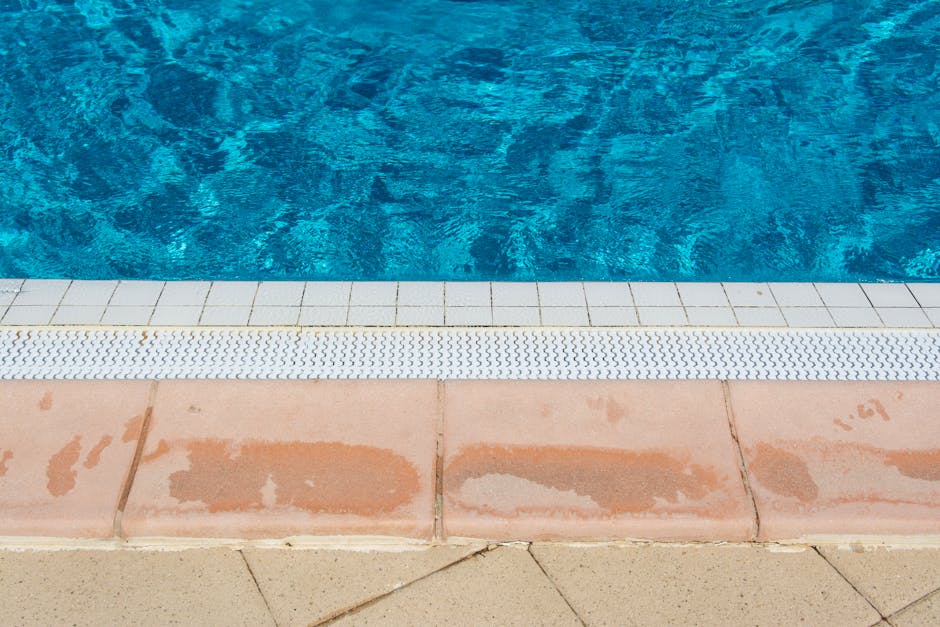
Pool cleaning is not just about aesthetics; it plays a vital role in the health and safety of swimmers. A dirty pool can harbor harmful microorganisms that can lead to skin irritations, infections, and other health issues. According to the Centers for Disease Control and Prevention (CDC), outbreaks of recreational water illnesses have been linked to poorly maintained pools.
Moreover, regular cleaning can extend the lifespan of your pool equipment. Dirty filters and clogged drains can cause your pool pump to work harder, leading to increased energy consumption and costly repairs. Therefore, understanding the importance of pool cleaning can save you both time and money in the long run.
Essential Tools for Pool Cleaning
Having the right tools is essential for effective pool cleaning. The basic tools you will need include a skimmer net, pool brush, vacuum cleaner, and water testing kit. A skimmer net is perfect for removing leaves and debris from the surface, while a pool brush helps scrub the walls and floor to remove algae and dirt.
Investing in a quality pool vacuum is also crucial. There are various types of pool vacuums available, including manual, robotic, and suction-side vacuums. Each type has its advantages and disadvantages, so it’s important to choose one that suits your pool size and cleaning needs. For instance, robotic vacuums can save you time and effort, while manual vacuums offer more control over the cleaning process.
Don’t forget to have a reliable water testing kit to monitor the chemical balance of your pool. Keeping an eye on pH levels, chlorine concentration, and alkalinity is vital for maintaining clean and safe water.
Establishing a Cleaning Routine
Establishing a regular cleaning routine is key to keeping your pool clean. A good practice is to clean your pool at least once a week. This routine should include skimming debris, brushing the walls, vacuuming the bottom, and checking the water chemistry.
In addition to weekly maintenance, consider performing a deep clean every month. This may involve draining the pool to clean the tiles thoroughly and inspecting the pool equipment for any potential issues. Regularly checking and maintaining your pool filter is also crucial, as a clogged filter can lead to poor water circulation and cleanliness.
Dealing with Algae and Stains
Algae blooms can be a common issue for pool owners, especially during hot weather. If you notice green or cloudy water, it’s essential to act quickly. Shock treating your pool with a high dose of chlorine can help kill the algae. After shocking, run your pool filter continuously for at least 24 hours to remove dead algae.
For stubborn stains, consider using a stain remover that targets specific types of stains, such as metal or organic stains. Always follow the manufacturer’s instructions for the best results.
Consider Professional Pool Cleaning Services
If maintaining your pool seems overwhelming, consider hiring a professional pool cleaning service. These experts have the experience and tools to keep your pool in excellent condition. Many services offer routine maintenance plans that can save you time and ensure your pool is always ready for use.
Moreover, professionals can provide valuable advice on pool care, recommend equipment upgrades, and identify potential issues before they become costly repairs. Just like owning a Luxury BMW car, having an expert manage your pool can provide peace of mind and enhance your overall experience.
Conclusion
In conclusion, effective pool cleaning is essential for maintaining a safe and enjoyable swimming environment. By understanding the importance of regular maintenance, utilizing the right tools, and establishing a cleaning routine, you can ensure your pool remains a refreshing retreat. Whether you choose to tackle the cleaning yourself or hire a professional service, the key is to stay proactive about your pool care.