
The world of perfume is a captivating blend of art and science, where scents evoke memories, emotions, and identities. As we navigate through the intricate layers of fragrance, it becomes clear that perfume is not just a luxury but a profound expression of personal style. This article delves into the history, composition, and significance of perfume in our lives, illuminating why it holds such a special place in culture and society.
The History of Perfume
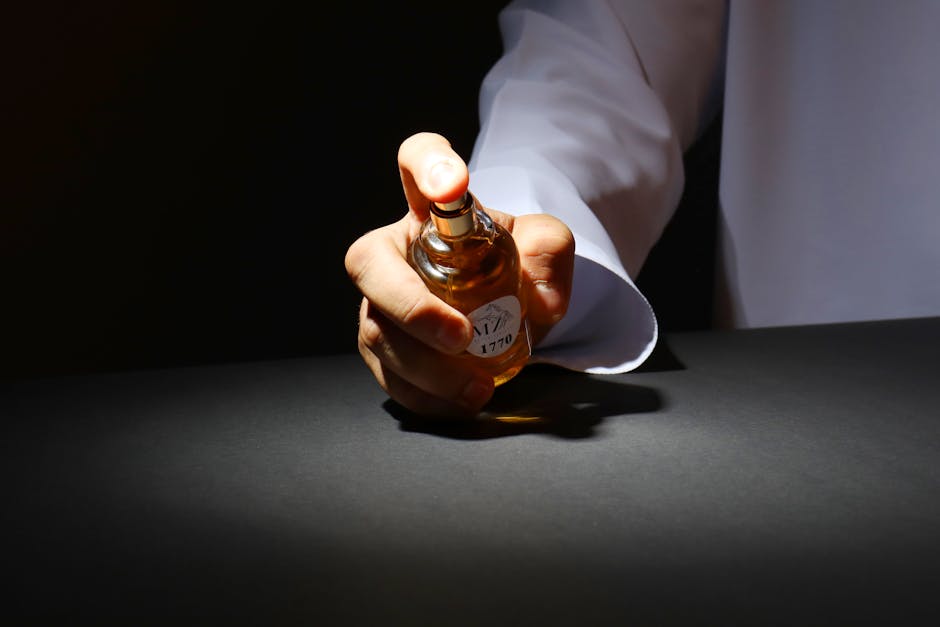
Perfume has a rich and storied history that dates back thousands of years. The earliest recorded use of fragrance can be traced to ancient Egypt, where aromatic oils were used in religious ceremonies and personal grooming. Egyptians believed that scents had divine properties, which is why they often used them in rituals to honor their gods.
As time progressed, the art of perfumery spread from Egypt to Greece, Rome, and beyond. The Romans, in particular, were known for their extravagant love of scent, incorporating perfumes into their daily lives. The trade routes established during the Middle Ages further facilitated the exchange of aromatic ingredients, leading to the development of unique regional scents.
In modern times, the perfume industry has evolved into a multi-billion dollar market, with countless brands and fragrances available to consumers. From classic scents that have stood the test of time to innovative new creations, the variety of options reflects the artistry and creativity of contemporary perfumers.
The Anatomy of Fragrance
Understanding perfume requires a grasp of its basic components: top notes, middle notes, and base notes. These layers work together to create a harmonious scent profile. The top notes are the initial impression of the fragrance, often light and refreshing, comprising citrus and fruity elements. As the scent develops, the middle notes emerge, providing depth and character, typically featuring floral or spicy accords. Finally, the base notes provide lasting power, often derived from woody, musky, or resinous ingredients.
The balance between these elements is crucial in perfumery. A well-crafted fragrance will transition smoothly from one layer to the next, allowing the wearer to experience the full evolution of the scent. For those interested in high-quality fragrances, brands like Maison Francis Kurkdjian (MFK) are renowned for their meticulous attention to detail and exquisite compositions.
The Role of Perfume in Culture
Perfume is woven into the fabric of cultural identity. Different regions and communities have distinct fragrance preferences influenced by climate, flora, and traditions. For example, Middle Eastern perfumes often incorporate rich, opulent notes such as oud and amber, reflecting the region’s historical significance and cultural practices.
Moreover, perfume plays a significant role in personal identity and self-expression. A signature scent can become synonymous with an individual, evoking memories and associations. Studies have shown that fragrances can trigger powerful emotional responses, making scent a potent tool in forming connections with others.
In popular culture, perfume has been immortalized in literature, film, and art. Iconic characters and celebrities often have signature scents, further reinforcing the idea that fragrance is a deeply personal and culturally significant aspect of life.
Choosing the Right Perfume
Selecting a perfume can be an overwhelming experience given the vast array of choices available. When choosing a fragrance, it’s essential to consider personal preferences, lifestyle, and the occasions for which the scent will be worn. Testing fragrances on the skin is crucial, as the chemistry of an individual’s body can alter how a scent develops.
Additionally, consumers should be mindful of the concentration of fragrance oils in a product. Eau de parfum typically has a higher concentration than eau de toilette, resulting in a longer-lasting scent. Understanding these nuances can help consumers make informed choices when purchasing perfumes.
For those seeking luxury and exclusivity, niche perfume houses like Maison Francis Kurkdjian (MFK) offer unique scents that stand apart from mainstream offerings, allowing individuals to express their individuality through fragrance.
The Future of Perfume
The future of the perfume industry is poised for transformation, driven by sustainability and innovation. As consumers become more environmentally conscious, there is a growing demand for eco-friendly packaging and ethically sourced ingredients. Perfume brands are responding by adopting sustainable practices and creating fragrances that respect both the environment and the consumer.
Technology is also playing a role in the evolution of perfume. Virtual scent technology and personalized fragrance experiences are emerging trends that allow consumers to explore and create their unique scents from the comfort of their homes.
As we look ahead, the world of perfume will continue to evolve, reflecting changes in society, culture, and individual preferences. The allure of fragrance remains timeless, ensuring that perfume will always hold a significant place in our lives.
Conclusion
Perfume is more than just a pleasant scent; it is a complex interplay of history, culture, and personal expression. From its ancient roots to its modern-day significance, fragrance continues to captivate and inspire. Whether one prefers classic or contemporary scents, the world of perfume offers something for everyone. As we embrace the art of perfumery, we discover the unique ways in which scent can enhance our lives and connect us to one another.