
Septic tanks are essential components of many households, particularly in rural areas where sewage systems are not available. Understanding how to properly clean and maintain your septic tank is crucial for avoiding costly repairs and ensuring a healthy environment. This article will delve into the importance of septic tank cleaning, the signs that indicate a need for maintenance, and the best practices to keep your system functioning efficiently.
Understanding Your Septic System
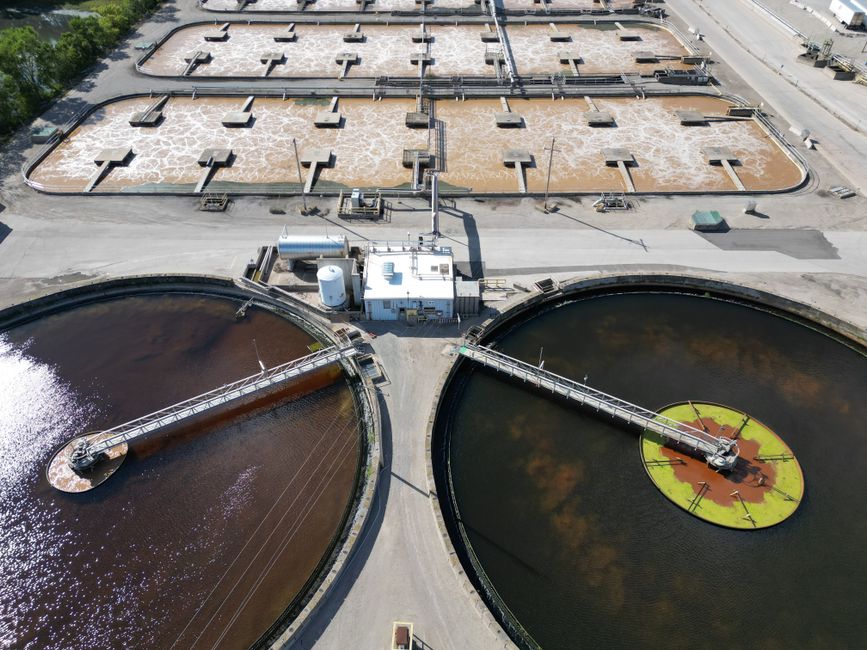
A septic system is designed to treat wastewater from your home. The system typically consists of a septic tank and a drain field. Wastewater flows into the septic tank, where solids settle to the bottom, and the liquid effluent is discharged into the drain field for further treatment. It’s essential to understand how this system works to maintain it properly.
Regular cleaning of your septic tank is vital to prevent clogs and backups. Neglecting your septic maintenance can lead to significant issues, including unpleasant odors, slow drains, and even sewage backups into your home. These problems can be both unhygienic and expensive to resolve.
Signs Your Septic Tank Needs Cleaning
Several indicators can suggest that your septic tank requires cleaning. One of the most obvious signs is a foul odor emanating from your yard or near your septic system. This smell often indicates that the tank is full and needs to be emptied.
Another sign is the presence of standing water or lush grass over the drain field. If you notice that certain areas of your yard are greener than others, it may be due to wastewater leaking from the tank. Additionally, slow drains or gurgling sounds in your plumbing can signal that your septic tank is nearing capacity.
The Cleaning Process
The process of cleaning a septic tank involves pumping out the sludge and scum that accumulate over time. This is typically performed by a professional septic service. The frequency of this cleaning can vary depending on the size of your tank and the number of people in your household, but it’s generally recommended every 3 to 5 years.
Before the cleaning, the technician will assess the condition of your tank and drain field. Using specialized equipment, they will pump out the contents of the tank, ensuring that any solid waste is removed effectively. Once the tank is emptied, it is inspected for any signs of damage or wear.
Best Practices for Septic Tank Maintenance
To prolong the life of your septic system, it is essential to follow some best practices. Firstly, avoid flushing non-biodegradable items down the toilet, such as wipes, feminine hygiene products, and other trash. These items can clog your system and increase the frequency of required cleanings.
Additionally, be mindful of the chemicals you use in your home. Harsh chemicals can disrupt the natural bacteria that break down waste in your septic tank. Instead, opt for eco-friendly cleaning products.
Regularly inspecting your septic system for leaks and ensuring that your drain field is clear of heavy machinery or vehicles can also help maintain its integrity. Implementing an effective septic maintenance routine can save you money and prevent more significant issues in the long run.
Conclusion
Septic tank cleaning is a crucial aspect of maintaining your home’s plumbing system. By understanding your septic system, recognizing the signs that indicate a need for cleaning, and following best maintenance practices, you can ensure that your septic system operates efficiently for years to come. Investing in regular maintenance not only protects your home but also benefits the environment by preventing wastewater contamination.