
In a world where first impressions matter more than ever, the role of a commercial interior designer has become increasingly vital. Businesses are recognizing that the environment in which they operate can significantly influence their success, affecting everything from employee productivity to customer satisfaction. This article delves into the various aspects of commercial interior design, exploring its importance, key elements, and how it can transform a business.
Understanding Commercial Interior Design
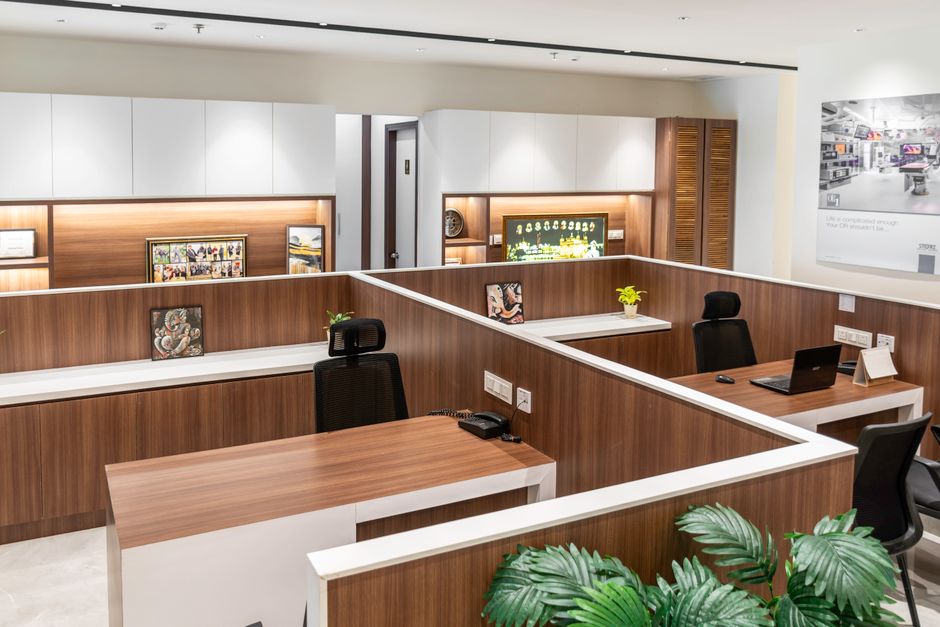
Commercial interior design is a specialized field that focuses on designing spaces for businesses and organizations. Unlike residential design, which emphasizes personal aesthetics, commercial design prioritizes functionality, brand representation, and compliance with regulations. This field encompasses a wide range of environments, including offices, retail stores, restaurants, and healthcare facilities.
The primary objective of a commercial interior designer is to create spaces that enhance the user experience while reflecting the brand’s identity. For instance, a tech startup might opt for an open-plan office with vibrant colors and collaborative spaces to foster innovation, while a law firm might prefer a more traditional, formal design to convey professionalism.
Moreover, commercial interior designers must keep up with industry trends and technological advancements, ensuring that their designs are not only aesthetically pleasing but also functional and sustainable.
Key Elements of Commercial Interior Design
When embarking on a commercial interior design project, several key elements must be considered. These include space planning, color schemes, materials, lighting, and furniture selection. Each component plays a crucial role in creating an effective environment.
Space planning is perhaps the most critical aspect. A well-designed layout maximizes efficiency and flow, guiding individuals seamlessly through the space. For example, in a retail environment, the placement of aisles and displays can significantly impact customer behavior and sales.
Color schemes also have a profound effect on mood and perception. Research indicates that colors can influence emotions; thus, choosing the right palette is essential. For instance, blue tones are often associated with trust and professionalism, making them popular in corporate settings.
The Impact of Commercial Interior Design on Business
The impact of effective commercial interior design extends beyond aesthetics. Studies have shown that well-designed workspaces can lead to increased employee productivity and job satisfaction. A comfortable and inspiring environment encourages employees to perform at their best.
Furthermore, the design of a commercial space can enhance customer experiences. For example, restaurants that invest in attractive interiors often see higher customer retention rates. A study by the Restaurant Association found that 60% of diners choose a restaurant based on its ambiance.
Additionally, businesses that prioritize sustainable design practices can not only reduce their environmental footprint but also appeal to a growing demographic of eco-conscious consumers. Integrating energy-efficient systems and sustainable materials into the design can lead to long-term cost savings and a positive brand image.
Choosing the Right Commercial Interior Designer
Selecting the right commercial interior designer is crucial for the success of any project. Businesses should look for professionals who possess a strong portfolio, relevant experience, and a clear understanding of their specific needs. Communication is also key; the designer must understand the brand’s vision and be able to translate that into a physical space.
It’s beneficial to seek designers who stay updated with the latest trends and technologies in the industry. For instance, collaborating with a commercial interior designer who is familiar with smart building technologies can enhance the functionality and sustainability of a space.
Finally, businesses should consider the budget and timeline. A good designer will be able to work within set parameters while still delivering a high-quality result.
Conclusion
In conclusion, the role of a commercial interior designer is multifaceted, encompassing aspects of functionality, aesthetics, and brand identity. With the right approach, commercial interior design can transform spaces, enhance productivity, and create memorable experiences for both employees and customers. As businesses continue to recognize the value of their environments, the demand for skilled commercial interior designers will only increase.