
In today’s competitive business landscape, the significance of a well-designed commercial space cannot be overstated. A commercial interior designer plays a crucial role in creating environments that not only reflect the brand identity but also enhance functionality and employee productivity. This article delves into the multifaceted responsibilities of commercial interior designers, the process they follow, and the impact of their work on businesses.
Understanding the Role of Commercial Interior Designers
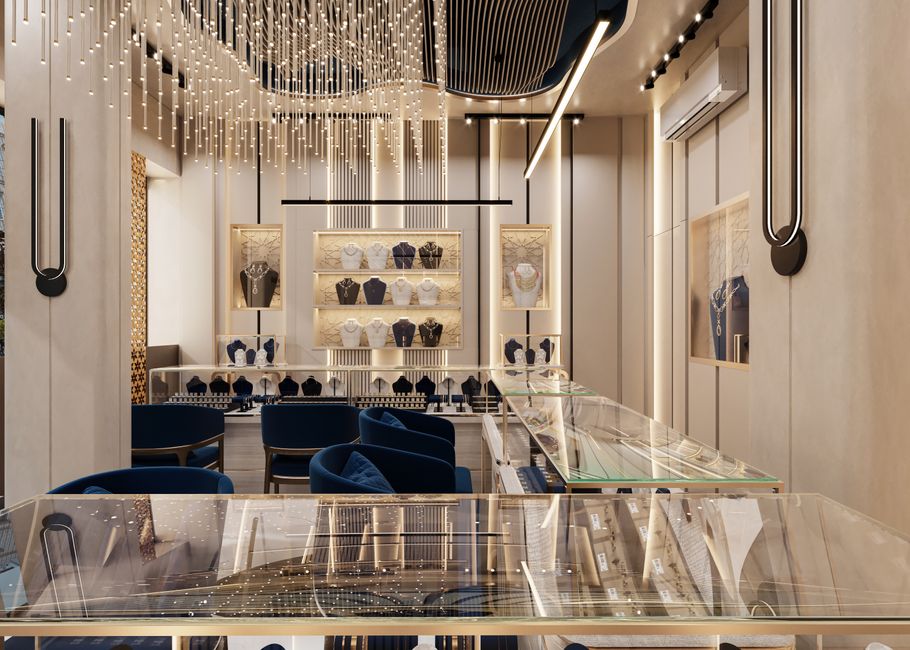
Commercial interior designers are professionals who specialize in designing spaces for businesses and organizations. Their expertise ranges from spatial planning to furniture selection, lighting design, and color schemes. They work on a variety of projects, including offices, restaurants, retail stores, and hospitality venues. The primary goal is to create spaces that are not only aesthetically pleasing but also functional and aligned with the client’s needs.
One of the key responsibilities of a commercial interior designer is to understand the client’s vision and objectives. This involves conducting thorough consultations to gather information about the brand, target audience, and desired atmosphere. By integrating these elements, designers can create a cohesive design that resonates with the intended audience.
Moreover, commercial interior designers must also consider compliance with local building codes and regulations. This aspect is crucial, as it ensures that the designed space is safe and accessible for all users. For instance, incorporating features like wheelchair ramps and appropriate signage can make a significant difference in accessibility.
The Design Process: From Concept to Completion
The design process for commercial spaces typically follows several stages, starting with research and ideation. Designers begin by analyzing the space, understanding its limitations, and identifying opportunities for improvement. This initial phase often involves creating mood boards and conceptual sketches that capture the essence of the proposed design.
Once a concept is approved, designers move on to developing detailed plans and specifications. This includes selecting materials, finishes, furnishings, and fixtures that align with the design vision. For example, a tech startup may opt for modern, minimalist furniture to convey innovation, while a law firm might choose traditional wood finishes to reflect professionalism.
After finalizing the design, commercial interior designers coordinate with contractors and vendors to oversee the implementation of the project. This phase requires effective communication and project management skills to ensure that the design is executed as envisioned. Regular site visits are essential to monitor progress and address any challenges that may arise.
The Importance of Functionality and Aesthetics
While aesthetics play a significant role in commercial interior design, functionality is equally important. A well-designed space should facilitate workflow and enhance employee efficiency. For instance, open-plan offices can encourage collaboration, but they may also lead to distractions if not properly designed.
To address these challenges, commercial interior designers often integrate flexible layouts that can adapt to different working styles. This might include creating quiet zones for focused work, collaborative spaces for teamwork, and areas for relaxation. By considering the diverse needs of employees, designers contribute to a more productive and satisfied workforce.
In addition to functionality, the psychological impact of design should not be overlooked. Research has shown that the environment can significantly influence employee mood and motivation. For example, incorporating natural light and greenery can enhance well-being and creativity. Thus, a commercial interior designer must strike a balance between aesthetic appeal and the psychological needs of users.
Trends Shaping Commercial Interior Design
The field of commercial interior design is continually evolving, influenced by trends in technology, sustainability, and workplace culture. One notable trend is the increasing emphasis on sustainability and eco-friendly materials. Businesses are becoming more conscious of their environmental impact, prompting designers to source sustainable materials and implement energy-efficient solutions.
Another trend is the integration of technology into design. Smart offices equipped with advanced technology can enhance operational efficiency and improve the overall user experience. For instance, automated lighting and temperature control systems can create a comfortable environment while reducing energy consumption.
Moreover, the pandemic has reshaped the way we think about commercial spaces. There is now a greater focus on health and safety, leading to designs that promote social distancing and hygiene. Features such as touchless entry systems and improved ventilation are becoming standard in commercial designs.
Conclusion: The Lasting Impact of Commercial Interior Designers
In conclusion, the role of a commercial interior designer extends far beyond mere aesthetics. These professionals play a pivotal role in transforming spaces to enhance functionality, reflect brand identity, and improve employee well-being. By understanding the unique needs of businesses and staying abreast of industry trends, commercial interior designers create environments that not only meet current demands but also adapt to future challenges. As businesses continue to recognize the value of well-designed spaces, the demand for skilled commercial interior designers will only continue to grow.