
In today’s digital world, music videos have become a vital part of the music industry, serving not only as a promotional tool but also as an art form in their own right. The production of a music video involves a complex blend of creativity, technology, and strategic planning. This article delves into the multifaceted process of music video production, exploring its stages, challenges, and the impact it has on artist branding and audience engagement.
Understanding the Pre-Production Phase
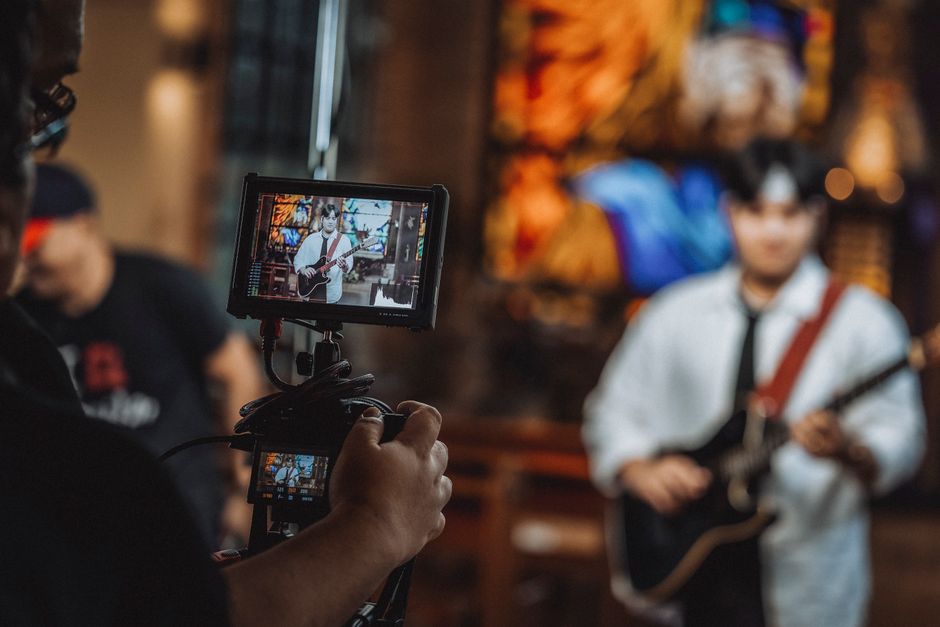
The pre-production phase is crucial in the music video production process. It involves brainstorming ideas, scripting, and planning logistics. A strong concept is essential, as it sets the tone and direction for the entire project. During this phase, the production team collaborates closely with the artist to develop a narrative that resonates with the song’s themes.
Moreover, location scouting is a significant part of pre-production. The chosen locations must complement the video’s aesthetic and narrative. For instance, a song about love might be shot in romantic settings, such as a beach at sunset or a cozy café. This planning ensures that when the cameras start rolling, everything is in place for a smooth shooting experience.
Budgeting is another critical aspect of pre-production. Understanding the costs involved, from hiring crew members to renting equipment, helps in making informed decisions. A well-planned budget can prevent overspending and ensure that funds are allocated efficiently throughout the production process.
Production: Bringing the Vision to Life
Once the pre-production phase is complete, the focus shifts to production. This is where the creative vision is brought to life. The production team, including directors, cinematographers, and lighting technicians, work together to capture the footage. The use of various filming techniques, such as slow motion or aerial shots, can enhance the visual appeal of the video.
Effective communication among the crew is essential during this phase. The director must convey their vision clearly to ensure that everyone is aligned. This is particularly important when working with talent, as the performance of the artist can significantly impact the final product.
Furthermore, the choice of lighting and camera angles can dramatically alter the mood of a scene. For example, bright lighting might convey a cheerful vibe, while darker tones can evoke a sense of mystery or drama. The right technical choices help in crafting a compelling visual narrative that captivates viewers.
Post-Production: Editing and Final Touches
After filming, the project moves into post-production, where the raw footage is edited into a polished final product. This stage includes video editing, sound design, and color correction. Editors play a pivotal role in shaping the story by selecting the best takes and merging them into a cohesive narrative.
Sound design is equally important, as the audio quality can make or break a video. This involves synchronizing the song with the visuals and adding sound effects that enhance the viewing experience. The goal is to ensure that the music video resonates emotionally with the audience.
Color correction is another critical step, as it impacts the overall aesthetic. Adjusting colors can create a specific mood and ensure visual consistency throughout the video. The final product should reflect the artist’s brand and style, making it memorable to viewers.
The Role of Music Videos in Marketing
Music videos serve as powerful marketing tools for artists. In an age where visual content dominates social media, having an engaging music video can significantly increase an artist’s visibility. Platforms like YouTube and TikTok allow for widespread sharing, enabling artists to reach a global audience.
Statistics show that music videos are often the most consumed form of content on these platforms. For example, a well-produced music video can garner millions of views within days of its release, translating into increased streams and sales for the artist. This demonstrates the direct correlation between music video production and an artist’s commercial success.
Moreover, music videos can enhance an artist’s brand identity. By creating a unique visual style that complements their music, artists can establish a strong presence in the industry. This branding not only helps in building a loyal fan base but also attracts potential collaborators and sponsors.
Challenges in Music Video Production
Despite its many rewards, music video production comes with its set of challenges. Time constraints can be a significant hurdle, especially when artists have tight release schedules. Balancing quality with speed can lead to compromises that affect the final product.
Additionally, creative differences among team members can pose challenges. It’s essential to have a cohesive vision that everyone agrees on to ensure a successful outcome. This often requires strong leadership and effective communication within the team.
Budget limitations can also restrict creative possibilities. While it’s possible to create stunning visuals on a low budget, having sufficient resources allows for more ambitious projects. This is where the expertise of a production team can play a vital role in maximizing the potential of available funds.
Conclusion
In conclusion, music video production is a complex yet rewarding process that combines creativity, technical skills, and strategic thinking. From the initial concept to the final edit, each stage plays a crucial role in crafting a compelling visual narrative that resonates with audiences. As the industry evolves, the importance of high-quality music videos will only continue to grow, making it an essential element of an artist’s success. For those looking to dive deeper into the art of music video production, understanding these processes can provide valuable insights into creating impactful content.