
In today’s fast-paced world, architect firms play a crucial role in shaping our built environment. Their influence extends beyond mere aesthetics; it encompasses functionality, sustainability, and cultural significance. As cities grow and evolve, the demand for innovative architectural solutions has never been greater. This article delves into the multifaceted world of architect firms, exploring their evolution, the challenges they face, and the future of architectural practice.
The Historical Context of Architect Firms
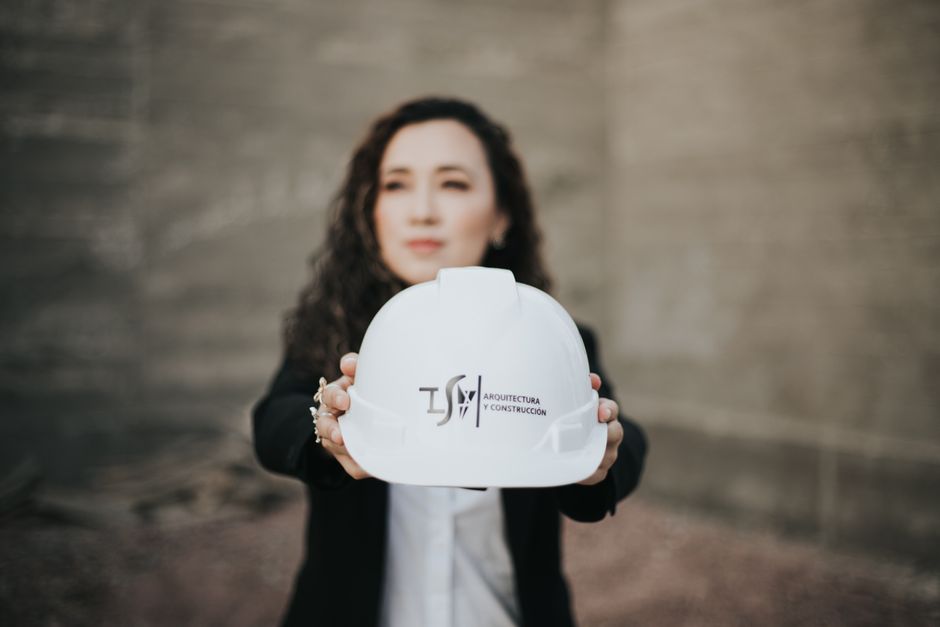
The profession of architecture dates back to ancient civilizations, where structures were designed not only for utility but to reflect societal values. Over the centuries, architect firms have transformed, influenced by technological advancements, cultural shifts, and economic factors. In the 19th century, the Industrial Revolution brought about significant changes, enabling architects to experiment with new materials and construction techniques. This era saw the rise of prominent architect firms that would lay the groundwork for modern architecture.
During the 20th century, movements such as Modernism and Postmodernism further shaped architectural practices. Architect firms began to focus on minimalism and functionality, with a strong emphasis on the relationship between form and function. Notable figures like Le Corbusier and Frank Lloyd Wright revolutionized the field, promoting concepts that are still influential today. Their legacies remind us of the importance of design philosophy in the work of architect firms.
Current Trends in Architectural Practice
Today, architect firms are at the forefront of addressing global challenges such as climate change and urbanization. With a growing awareness of sustainability, many firms are incorporating green building practices into their designs. This includes using renewable materials, energy-efficient technologies, and innovative waste management systems. According to a report by the World Green Building Council, buildings account for 39% of global carbon emissions, highlighting the urgent need for sustainable architectural solutions.
Additionally, the rise of smart technology has transformed how architect firms approach design. Integrating technology into building systems allows for smarter, more efficient spaces. The use of Building Information Modeling (BIM) has enhanced collaboration among stakeholders, ensuring that projects are completed on time and within budget. Architect firms that embrace these technologies are better equipped to meet the demands of modern clients.
The Role of Architect Firms in Urban Development
As urban areas continue to expand, architect firms play a vital role in shaping the future of our cities. They are responsible for designing not only individual buildings but entire neighborhoods and public spaces. This requires a deep understanding of community needs and dynamics. Successful architect firms engage with local communities to ensure that their designs reflect the cultural and social fabric of the area.
Moreover, the integration of public spaces into urban design is becoming increasingly important. Architect firms are recognizing the need for parks, plazas, and recreational areas that promote social interaction and community well-being. A well-designed public space can enhance the quality of life for residents, fostering a sense of belonging and community pride.
Challenges Faced by Architect Firms
Despite their critical role, architect firms face numerous challenges in today’s landscape. One of the most significant hurdles is navigating complex regulatory environments. Zoning laws, building codes, and environmental regulations can impact design choices and project timelines. Firms must stay informed and adaptable to these changing regulations to deliver successful projects.
Additionally, the economic climate can significantly affect the demand for architectural services. Economic downturns can lead to reduced budgets and a lack of large-scale projects. Architect firms must diversify their portfolios and explore new markets to remain competitive. This adaptability is essential for long-term success in a fluctuating economy.
The Future of Architect Firms
Looking ahead, architect firms are poised to continue their evolution in response to emerging trends and challenges. The integration of artificial intelligence and machine learning into design processes is on the horizon, potentially revolutionizing the way architects create and visualize their projects. Furthermore, as societal values shift towards inclusivity and diversity, architect firms will need to prioritize equitable design practices that cater to all community members.
In conclusion, architect firms are indispensable to the development of our built environment. Their ability to adapt to changing trends, embrace technology, and engage with communities will determine their success in the future. As we move forward, the collaboration between architects, clients, and communities will be essential in shaping spaces that are not only functional but also enhance the quality of life for all.
For those interested in exploring reputable options, it’s worth considering an architect firm that aligns with your vision and values.