
Perfume is often described as an invisible accessory, an art form that enhances personal identity and evokes emotions. From the ancient Egyptians to modern-day fragrance houses, the creation and use of perfumes have been an integral part of human culture. This article delves into the fascinating world of perfume, exploring its history, the science of scent, and the latest trends in the fragrance industry.
The Historical Significance of Perfume
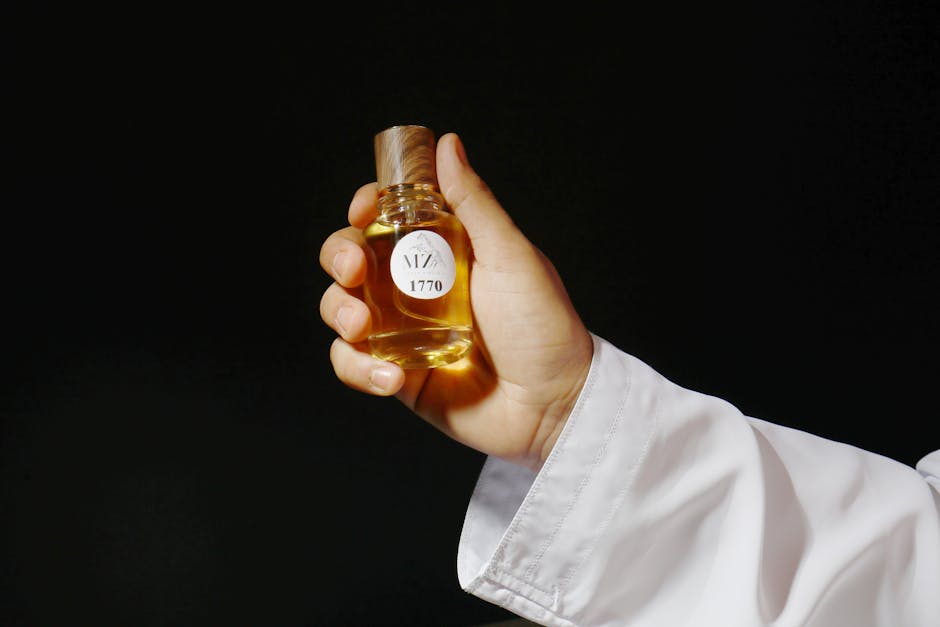
Perfume has a rich and varied history, tracing back thousands of years. The earliest recorded use of perfume dates back to ancient Egypt, where scents were used in religious ceremonies and personal grooming. Egyptians believed that perfumes had the power to connect them with the divine. As trade routes expanded, the knowledge of perfumery spread to Greece and Rome, where it became a symbol of luxury and sophistication.
During the Renaissance, the art of perfumery flourished in Europe. The creation of Eau de Cologne in the 18th century marked a significant turning point, signaling a shift towards lighter, fresher fragrances. Today, many of the principles established during this era still influence the perfume industry.
For instance, many contemporary brands pay homage to historical techniques, using traditional methods alongside modern technology to create unique fragrances. This blend of history and innovation is evident in the offerings of brands like Maison Francis Kurkdjian (MFK), which combines classical perfumery with contemporary artistry.
The Science Behind Scent
The creation of perfume is as much a science as it is an art. At its core, perfumery involves the careful blending of essential oils, aroma compounds, and solvents to create a harmonious scent. The olfactory system is incredibly complex, with the human nose capable of detecting thousands of different scents.
Perfumes are typically structured in three layers: top notes, middle notes, and base notes. The top notes are the initial scents perceived, often citrusy or herbal, which evaporate quickly. The middle notes, or heart notes, emerge after the top notes dissipate and form the core of the fragrance. Finally, the base notes provide lasting depth and richness, often consisting of woody or musky scents.
Understanding these layers is crucial for both consumers and perfumers. It allows consumers to appreciate the evolving nature of a fragrance over time, while perfumers can craft scents that are balanced and appealing. The science of scent also extends to the psychological effects of fragrances, as certain scents can evoke memories or influence moods.
Current Trends in the Fragrance Industry
The fragrance industry is constantly evolving, with new trends emerging regularly. One significant trend is the rise of niche perfumes, which are often handcrafted and produced in limited quantities. These fragrances appeal to consumers seeking unique scents that stand out from mass-produced options.
Sustainability is another important trend, with many brands focusing on eco-friendly practices. This includes sourcing ingredients responsibly, using recyclable packaging, and minimizing their carbon footprint. Consumers are increasingly conscientious about their purchases, leading brands to adopt more sustainable practices.
Furthermore, the digital era has transformed how consumers interact with fragrances. Virtual reality and augmented reality are being used to enhance the shopping experience, allowing customers to explore scents in innovative ways. Social media influencers also play a significant role in shaping trends, as they showcase their favorite perfumes to their followers.
Choosing the Right Perfume
Choosing a perfume can be a daunting task, given the vast array of options available. One effective strategy is to understand your personal scent preferences. Consider the types of scents that you naturally gravitate towards, whether they are floral, fruity, spicy, or woody.
Testing perfumes is crucial, as scents can smell vastly different on the skin compared to how they smell in the bottle. It is recommended to test a few fragrances at a time, allowing the skin to breathe between applications to avoid overwhelming the senses.
Additionally, consider the occasion and season when selecting a fragrance. Lighter scents are often preferred in warmer months, while richer, deeper scents may be more suitable for fall and winter. Ultimately, the right perfume should resonate with your personality and enhance your confidence.
The Future of Perfume
As we look to the future, the perfume industry is poised for exciting developments. Advancements in technology will likely continue to influence how fragrances are created and marketed. Artificial intelligence is being explored to predict scent preferences, allowing brands to tailor their offerings to consumers more effectively.
Moreover, the integration of wellness and aromatherapy into fragrance is gaining traction. Consumers are increasingly interested in how scents can positively impact their well-being, leading to the emergence of fragrances designed specifically for relaxation, focus, or energy.
In conclusion, the world of perfume is a dynamic and multifaceted realm that combines art, science, and personal expression. As trends evolve and new technologies emerge, the love for fragrance will undoubtedly continue to flourish, inviting individuals to explore and celebrate the enchanting power of scent.
Conclusion
Perfume is more than just a pleasant aroma; it is a reflection of culture, history, and personal identity. Understanding the complexities of fragrance creation, the current trends in the industry, and how to choose the right perfume can enhance your appreciation for this art form. Whether you are a seasoned fragrance enthusiast or a newcomer to the world of scents, there is always something new to discover in the captivating world of perfume.