
Hair loss is a common concern that affects millions of people worldwide. With advancements in medical technology, hair transplant procedures have become a viable solution for those looking to restore their hairline. This article aims to provide a comprehensive overview of hair transplants, including the techniques used, the benefits, potential risks, and what to expect during the recovery process.
Understanding Hair Transplant Techniques
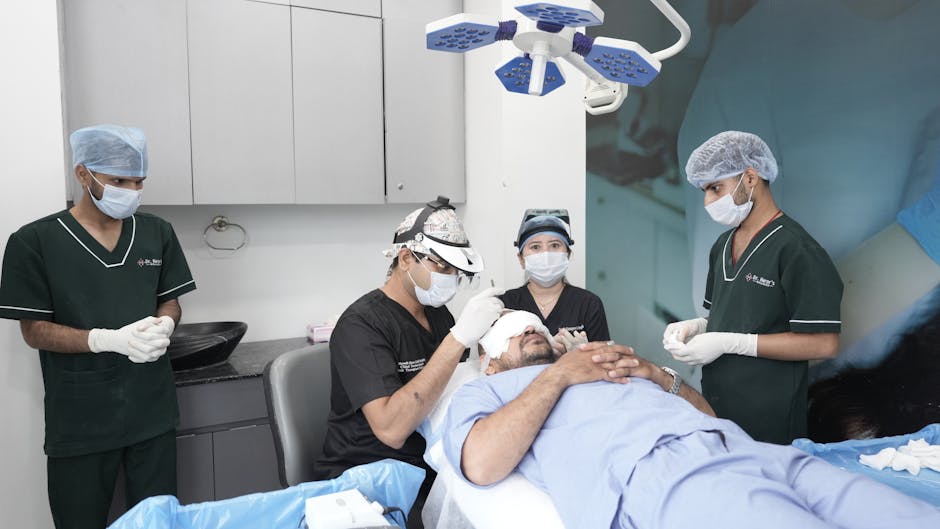
Hair transplantation involves the transfer of hair follicles from a donor site to a recipient site, where hair is thinning or balding. There are primarily two methods used in hair transplantation: Follicular Unit Transplantation (FUT) and Follicular Unit Extraction (FUE).
FUT, also known as the strip method, involves removing a strip of scalp from the donor area and dissecting it into individual follicular units. This method is often more suitable for individuals requiring a larger number of grafts. On the other hand, FUE involves extracting individual hair follicles directly from the scalp using a specialized tool, which leaves minimal scarring and allows for a quicker recovery.
The choice of technique often depends on various factors, including the extent of hair loss, the patient’s goals, and the surgeon’s recommendation. Each method has its pros and cons, and a thorough consultation with a qualified specialist is essential to make an informed decision.
Benefits of Hair Transplantation
One of the primary advantages of hair transplantation is the natural appearance of the results. Since the transplanted hair is your own, it blends seamlessly with existing hair. Additionally, hair transplants are a permanent solution to hair loss, as the transplanted hair follicles typically continue to grow for a lifetime.
Furthermore, many patients experience a significant boost in self-confidence and self-esteem after the procedure. Studies have shown that individuals who undergo hair transplantation report higher satisfaction levels with their appearance and social interactions.
According to recent statistics, hair transplant procedures have seen a significant increase in popularity, with over 400,000 procedures performed annually in the United States alone. This growing trend reflects the increasing acceptance and demand for cosmetic procedures.
Potential Risks and Considerations
While hair transplantation is generally considered safe, it is not without risks. Some potential complications include infection, scarring, and unnatural-looking hair growth. It’s crucial to choose a reputable clinic and experienced surgeon to minimize these risks.
Additionally, candidates for hair transplantation should have realistic expectations about the results. Not everyone is a suitable candidate, and factors such as the extent of hair loss and the quality of donor hair can affect the outcome.
Patients should also be aware of the recovery process, which may involve some discomfort and swelling. Following the surgeon’s post-operative care instructions is vital for ensuring optimal results.
What to Expect During the Recovery Process
The recovery process after a hair transplant can vary from person to person. Generally, patients can expect some redness and swelling in the donor and recipient areas for a few days following the procedure. Most individuals can resume normal activities within a week, but it’s advisable to avoid strenuous exercise and exposure to direct sunlight during the initial recovery phase.
Patients will notice the transplanted hair shedding within a few weeks, which is a normal part of the process. New hair growth typically begins to appear around three to six months post-procedure, with full results visible within 12 to 18 months.
It’s essential to maintain regular follow-up appointments with the surgeon to monitor progress and address any concerns. Many clinics also offer additional treatments, such as PRP (Platelet-Rich Plasma) therapy, to enhance hair growth and improve overall results.
Choosing the Right Clinic
When considering a hair transplant, selecting the right clinic is crucial for achieving the desired results. Researching clinics, reading reviews, and checking credentials can help narrow down options. Additionally, many reputable clinics provide consultations to discuss potential treatment plans and answer any questions.
For those considering international options, seeking a hair transplant istanbul can offer advanced techniques at competitive prices. However, it is essential to conduct thorough research and ensure the clinic meets high standards of care.
In conclusion, hair transplantation can be a life-changing procedure for those struggling with hair loss. By understanding the techniques, benefits, risks, and recovery process, individuals can make informed decisions and take the first steps toward restoring their confidence and appearance.
Conclusion
In summary, hair transplants represent a significant advancement in addressing hair loss. With various techniques available, each patient can find a tailored approach that suits their needs. While the process involves careful consideration and research, the potential benefits of increased self-esteem and a youthful appearance often outweigh the challenges. As with any medical procedure, knowledge and preparation are key to achieving the best results.