
Light Emitting Diodes, commonly known as LEDs, have revolutionized the way we perceive and utilize light in our daily lives. Once a niche technology, LEDs have become ubiquitous, lighting up everything from our homes to our smartphones. This article delves into the evolution, benefits, and future trends of LED technology, providing a comprehensive overview of its impact on various industries.
The Evolution of LED Technology
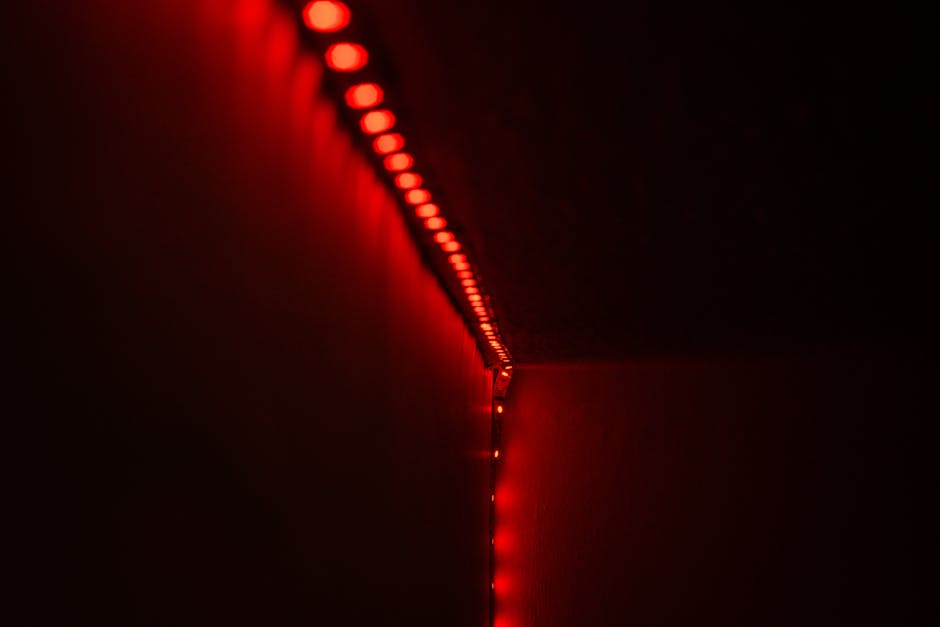
LED technology has come a long way since its inception in the early 1960s. Initially, LEDs were limited to producing red light and were primarily used as indicator lights on electronic devices. However, advancements in semiconductor technology paved the way for the development of blue and green LEDs, allowing for the creation of white light through combinations of different colored LEDs. This breakthrough expanded the applications of LEDs significantly.
In recent years, the shift towards energy-efficient lighting solutions has spurred the rapid adoption of LED technology. According to the U.S. Department of Energy, LEDs use at least 75% less energy than incandescent lighting, resulting in substantial energy savings. As consumers become more environmentally conscious, the demand for LEDs continues to rise.
The Advantages of Using LED Lighting
One of the primary advantages of LED lighting is its energy efficiency. Not only do LEDs consume less power, but they also have a longer lifespan, typically lasting up to 25,000 hours or more compared to traditional incandescent bulbs, which last about 1,000 hours. This longevity translates into fewer replacements and lower maintenance costs.
Moreover, LEDs emit less heat, making them safer and reducing cooling costs in buildings. This characteristic is particularly beneficial in commercial spaces where lighting can significantly impact energy consumption. Businesses are increasingly recognizing the financial benefits of switching to LED lighting solutions.
Another remarkable feature of LED technology is its versatility. From residential lighting to complex architectural installations, the adaptability of LEDs allows for innovative designs and applications. For instance, customizable options like benzi LED RGB strips enable users to create dynamic lighting scenes, enhancing both aesthetics and functionality in various environments.
LEDs in Various Industries
The impact of LED technology extends beyond mere lighting; it has transformed multiple industries. In the automotive sector, for example, LED lights are now standard in modern vehicles, improving visibility and safety. Additionally, the durability of LEDs makes them ideal for harsh environments, such as construction sites or outdoor applications.
In the realm of agriculture, LED grow lights are gaining popularity among farmers and indoor gardeners. These lights provide the specific wavelengths of light that plants need for photosynthesis, improving growth rates and yields. As the global population continues to grow, the demand for efficient farming practices will likely drive further adoption of LED technology.
Furthermore, the entertainment industry has embraced LEDs for stage lighting and event productions. The ability to create vibrant colors and dynamic lighting effects has enhanced performances and experiences for audiences worldwide. This trend is expected to continue as technology advances.
The Future of LED Technology
Looking ahead, the future of LED technology appears bright. Innovations such as organic LEDs (OLEDs) and quantum dot LEDs (QLEDs) promise to enhance display quality and energy efficiency even further. Additionally, the integration of smart technology into lighting systems is set to revolutionize how we interact with light.
Smart LEDs can be controlled remotely, allowing users to adjust brightness, color, and even set schedules through smartphone apps. This level of control not only adds convenience but also promotes energy savings by enabling users to turn off lights when not needed.
As cities around the world strive to become smarter and more sustainable, the role of LED technology will be pivotal. Smart street lighting systems equipped with LEDs can adapt to real-time conditions, reducing energy consumption and improving safety in urban areas.
Conclusion
In conclusion, LED technology has significantly impacted our lives and continues to evolve at a rapid pace. Its energy efficiency, longevity, and versatility make it an ideal choice for a wide range of applications. As we move towards a more sustainable future, the ongoing advancements in LED technology will play a crucial role in shaping our environments, enhancing our experiences, and promoting energy conservation. The potential for innovation is limitless, and we can expect to see even more exciting developments in the years to come.