
Wristwatches have transcended their original purpose of merely telling time to become symbols of status, craftsmanship, and personal style. In a world dominated by smartphones and digital devices, the wristwatch remains a cherished accessory, combining functionality with aesthetics. This article explores the rich history, the evolution of technology, and the current trends in wristwatches, highlighting their significance in contemporary culture.
The History of Wristwatches
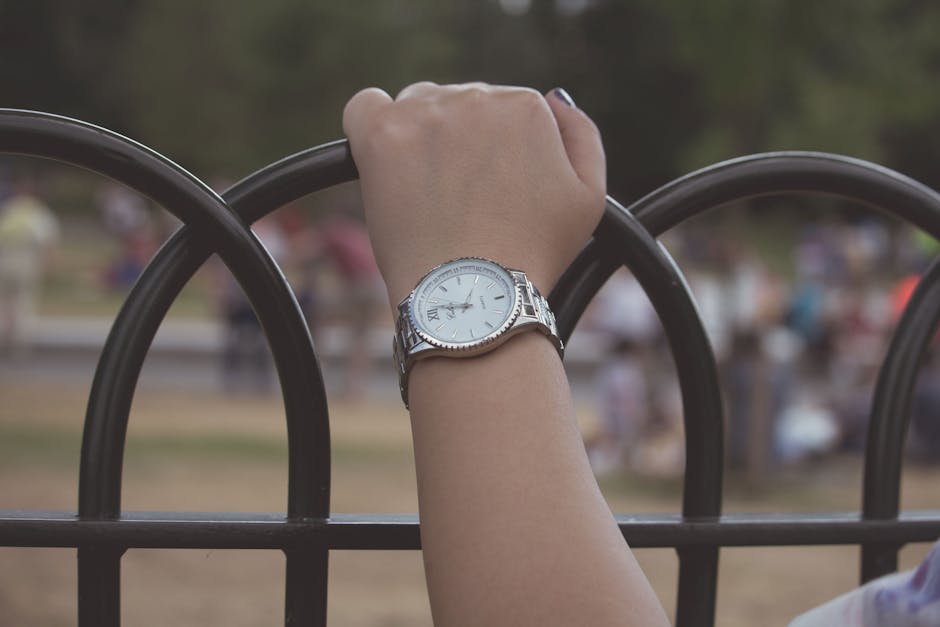
The wristwatch dates back to the late 19th century, originally designed for women as a fashionable accessory. The first wristwatches were often delicate and adorned with jewels, far removed from the robust timepieces we see today. It wasn’t until the early 20th century, particularly during World War I, that wristwatches gained popularity among men, as they proved more practical than pocket watches in the trenches.
Brands like Cartier and Patek Philippe began producing wristwatches that combined elegance with utility. The introduction of quartz technology in the 1970s revolutionized the industry, making watches more accurate and affordable. This era also saw the rise of Japanese brands like Seiko, which democratized quality timekeeping for the masses.
Modern Innovations in Watchmaking
Today, wristwatches are a blend of traditional craftsmanship and modern technology. Luxury brands continue to produce mechanical watches, which are celebrated for their intricate movements and artistry. For instance, the Swiss watchmaking industry remains a benchmark for quality, with brands like Rolex and Omega leading the way in precision and prestige.
On the other hand, smartwatches have emerged as a formidable competitor, offering features like fitness tracking, notifications, and connectivity. These devices appeal to a tech-savvy audience, merging the functionality of a smartphone with the classic appeal of a wristwatch. The competition between traditional and smartwatches has led to innovations in both fields, pushing the boundaries of what a wristwatch can do.
Wristwatches as Fashion Statements
Wristwatches have evolved into powerful fashion statements, with various styles catering to different tastes and occasions. From minimalist designs to extravagant luxury pieces, there is a watch for every personality. Brands often collaborate with fashion designers to create limited edition pieces that reflect current trends.
The influence of social media and celebrity endorsements has further elevated the status of wristwatches. High-profile figures often showcase their timepieces, influencing consumer preferences and driving demand. The rise of vintage and retro styles has also created a thriving market for collectors, with certain models fetching astronomical prices at auctions.
The Market for Replica Watches
The demand for luxury wristwatches has led to the proliferation of replica and clone watches, which cater to consumers who desire the aesthetic of high-end brands at a fraction of the cost. clone watches have become increasingly popular, providing an accessible entry point for those who admire the craftsmanship of luxury timepieces but cannot afford the hefty price tag.
While some enthusiasts criticize replicas for undermining the integrity of the watchmaking industry, others view them as a means of democratizing access to style and sophistication. The debate continues as the market adapts to evolving consumer preferences.
The Future of Wristwatches
As we look to the future, wristwatches will likely continue to evolve. The integration of technology, sustainability efforts, and changing consumer values will shape the industry. Brands are exploring eco-friendly materials and practices, responding to a growing demand for responsible consumption.
Moreover, the resurgence of interest in craftsmanship and artisanal products suggests that traditional watchmaking will retain its allure. As consumers seek authenticity and uniqueness, the future may see a harmonious coexistence of smartwatches and luxury mechanical watches, each serving distinct needs and desires.
Conclusion
Wristwatches are more than just timekeeping devices; they embody history, innovation, and personal expression. From their humble beginnings to their current status as luxury items and fashion statements, wristwatches have captivated generations. As technology advances and trends shift, the wristwatch will undoubtedly remain a timeless accessory, blending tradition with modernity for years to come.